
Backpacking for Beginners: Everything You Need to Know
The Adventure of Exploring the Backcountry
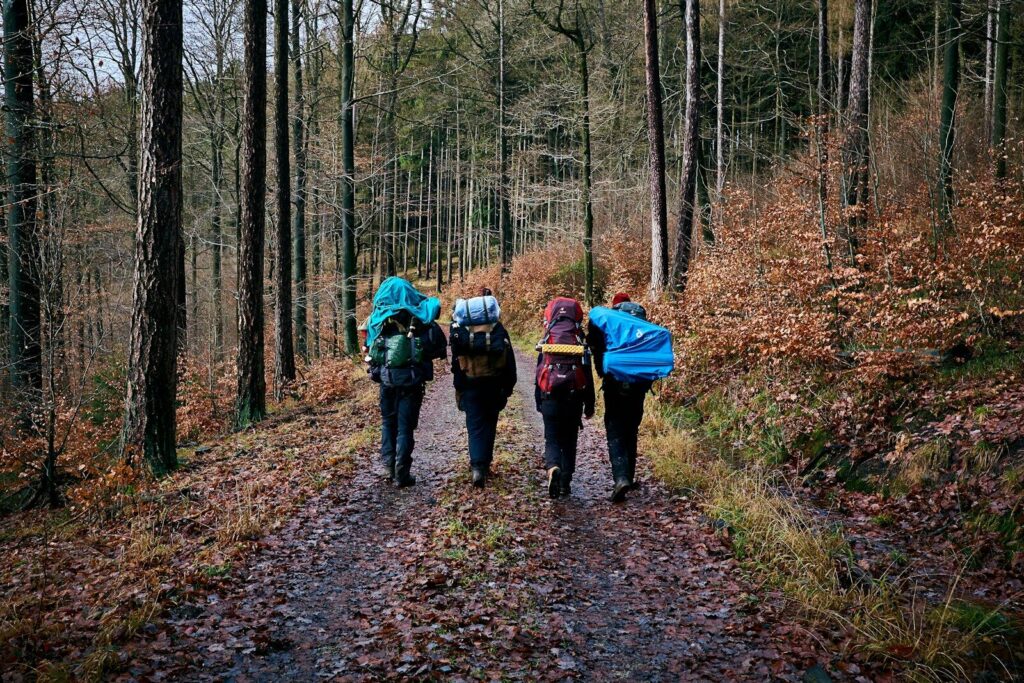
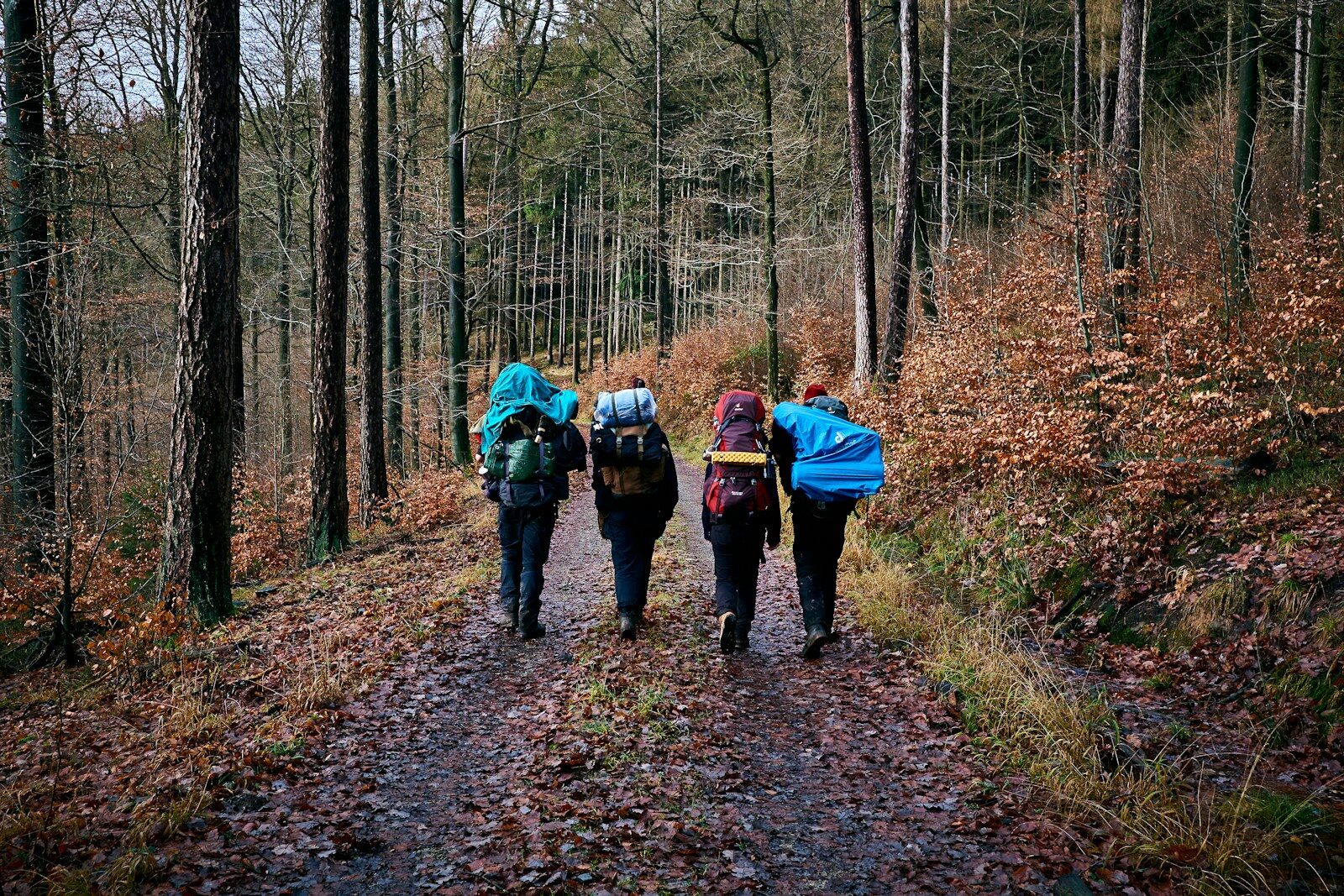
Backpacking offers one of the most immersive ways to experience the outdoors. Unlike traditional camping where you drive to a campsite, backpacking requires carrying everything you need on your back while traveling through wilderness terrain.
For beginners, the idea can feel intimidating. But with the right preparation and knowledge, backpacking can become one of the most rewarding outdoor adventures available.
According to guidance from the National Park Service, most successful first-time backpacking trips involve careful planning, proper gear, and realistic expectations about distance and terrain.
Learning the basics before hitting the trail makes the experience far more enjoyable.
Choosing the Right Gear
One of the first challenges beginners face is selecting the right gear.
Backpacks designed for multi-day trips typically range from 40 to 70 liters in capacity. These packs must carry essential items including shelter, sleeping gear, food, water filtration, and clothing.
According to equipment recommendations published by the American Hiking Society, keeping pack weight manageable is critical for comfort on the trail.
Many beginners aim to keep total pack weight under 20–25 percent of their body weight.
Lightweight gear can make a major difference over long distances.
Planning Your First Route
Selecting the right trail is another key part of a successful backpacking trip.
Beginners should look for trails that offer reliable water sources, moderate elevation changes, and established campsites.
According to the U.S. Forest Service, first-time backpackers often enjoy trips of 5–8 miles per day, which allows time to enjoy the surroundings without overexertion.
Studying maps and checking weather conditions before departure can prevent many common problems.
Food and Water
Food planning is a major part of backpacking.
Because every ounce counts, backpackers typically carry lightweight foods such as dehydrated meals, energy bars, and trail mix.
Water is even more critical. Most backpackers filter water from streams and lakes rather than carrying all the water they need.
According to health guidance from the Centers for Disease Control and Prevention, untreated natural water sources can contain harmful microorganisms, making filtration or purification essential.
Respecting the Wilderness
Backpacking also comes with a responsibility to protect the environments being explored.
Outdoor organizations encourage hikers to follow Leave No Trace principles to minimize their impact on nature.
According to the Leave No Trace Center for Outdoor Ethics, simple practices such as packing out trash, camping on durable surfaces, and respecting wildlife help preserve wilderness areas for future visitors.
A Journey Worth Taking
Backpacking combines adventure, self-reliance, and connection with nature in a way few activities can match.
For beginners willing to learn the basics and prepare carefully, the experience can open the door to a lifetime of outdoor exploration.
And once someone completes that first successful trip, the wilderness often calls them back again.