

Beat the Heat: The Best Bass Fishing Techniques for Summer Success
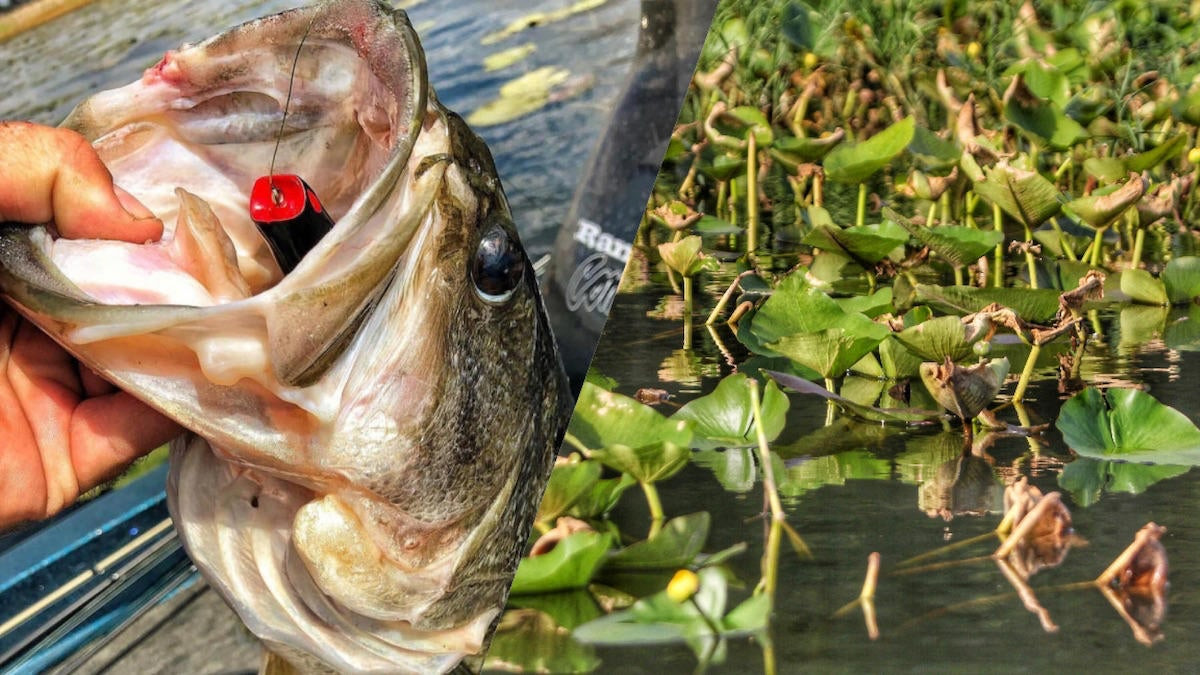
Summer bass fishing can be frustrating if you don’t adjust. The fish are still there—but they’re not where you found them in the spring, and they’re definitely not feeding the same way.
Hot water, bright sun, and heavy fishing pressure all change how bass behave. The anglers who figure that out are the ones still catching fish when everyone else is struggling.
Here’s how to stay on them when the temperatures climb.
Fish Early, Fish Late
If there’s one rule that consistently holds up in the summer, it’s this:
Low light = more active bass.
Early morning and late evening are prime windows. Bass will move shallow to feed, taking advantage of cooler water and reduced visibility.
This is the time to throw:
- Topwater lures (frogs, poppers, walking baits)
- Spinnerbaits or buzzbaits
- Weightless soft plastics
Once the sun gets high, that bite usually shuts down—or at least slows way down.
Go Deep When the Sun Gets Up
As temperatures rise, bass often move off shallow flats and into deeper water where conditions are more stable.
Look for:
- Drop-offs
- Ledges
- Points
- Creek channels
Electronics become a huge advantage here. If you can locate structure and bait, you’re already ahead of most anglers.
Best baits for deeper summer fish:
- Deep-diving crankbaits
- Texas-rigged worms
- Carolina rigs
- Football jigs
Slow down your presentation—summer bass aren’t always chasing fast-moving baits in deep water.
Target Shade and Cover
When bass don’t go deep, they go tight to cover.
Anything that creates shade becomes a holding spot:
- Docks
- Overhanging trees
- Brush piles
- Grass mats
Shade offers cooler water and ambush opportunities, making it a perfect daytime setup.
This is where flipping and pitching shine.
Use:
- Heavy soft plastics
- Jigs
- Creature baits
Get your bait into the thick stuff—because that’s where the fish are sitting.
Don’t Ignore the Grass
If you’re fishing a lake with vegetation, pay attention.
Grass holds:
- Oxygen
- Baitfish
- Cooler water pockets
In summer, bass will bury themselves in thick vegetation, especially during the heat of the day.
Top techniques here:
- Frogging over mats
- Punching through heavy cover
- Swimming jigs along edges
Some of the biggest fish of the year come out of grass—but you have to be willing to fish where it’s messy.
Slow Down Your Approach
One of the biggest mistakes anglers make in summer is fishing too fast.
Hot water doesn’t always mean aggressive fish.
In many cases:
- Bass are conserving energy
- They’re feeding in short windows
- They’re less willing to chase
Slowing down your presentation—especially in deeper water or heavy cover—can make a big difference.
Follow the Bait
This applies year-round, but it’s especially important in summer.
If you find baitfish, you’ll usually find bass nearby.
Watch for:
- Surface activity early and late
- Birds working an area
- Bait balls on electronics
Bass won’t stray far from food—especially when conditions are tough.
Adjust to Pressure
Summer means more anglers on the water.
That pressure can push bass into:
- Deeper water
- Heavier cover
- Less obvious areas
Sometimes the best move is to fish where others aren’t.
That might mean:
- Skipping obvious spots
- Fishing less pressured water
- Trying different angles on the same structure
The Bottom Line
Summer bass fishing isn’t about working harder—it’s about working smarter.
Fish the right times of day. Adjust your depth. Focus on shade, cover, and bait. And most importantly, stay flexible.
Because once you figure out the pattern, summer can produce some of the best fishing of the year.
You just have to meet the fish where they are.