
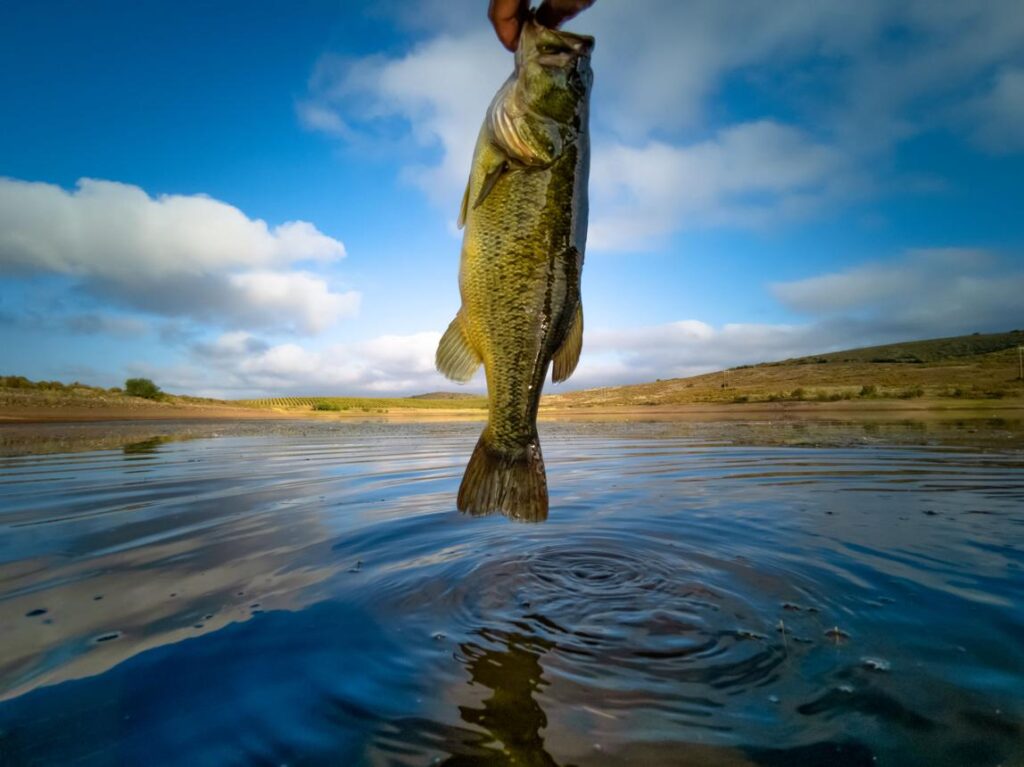
Best Fishing Techniques for Summer Bass

Summer bass fishing can be some of the best of the year—if you adjust to the conditions. As water temperatures rise, bass don’t disappear, but their behavior changes. They move, they feed at different times, and they become more selective.
If you’re still fishing the same way you did in spring, you’re going to struggle. But if you adapt, summer can produce consistent bites and even some of the biggest fish of the year.
Fish Early and Late for the Best Action
The most productive windows in summer are early morning and late evening.
Bass take advantage of cooler water temperatures and lower light conditions to feed aggressively. According to seasonal behavior insights from the U.S. Fish and Wildlife Service, many freshwater species increase feeding activity during low-light periods in warmer months.
Topwater lures shine during this time. Buzzbaits, poppers, and walking baits can trigger explosive strikes when bass are actively feeding near the surface.
If you’re on the water at sunrise or just before sunset, you’re in the right place at the right time.
Target Deep Water During Midday Heat

When the sun gets high and temperatures climb, bass typically move deeper.
They’re looking for:
- Cooler water
- Stable oxygen levels
- Structure that holds bait
Focus on:
- Ledges
- Drop-offs
- Points
- Deep brush piles
According to fisheries research from the Bass Anglers Sportsman Society, bass often stack on offshore structure in summer, especially in lakes with defined depth changes.
This is where tools like sonar and mapping can make a big difference.
Fish the Shade—It’s a Game Changer
Shade is one of the most overlooked factors in summer bass fishing.
Bass will position themselves anywhere they can avoid direct sunlight, including:
- Boat docks
- Overhanging trees
- Grass edges
- Bridge pilings
These shaded areas create ambush points where bass can conserve energy and wait for prey.
Techniques like flipping and pitching jigs or soft plastics into tight cover can be extremely effective.
Slow Down Your Presentation
Warm water doesn’t always mean fast fishing.
In fact, during the hottest parts of the day, bass often become less aggressive. Slowing down your presentation can make a big difference.
Try:
- Texas-rigged worms
- Carolina rigs
- Jigs worked slowly along the bottom
According to angler strategy insights from the Bass Anglers Sportsman Society, a slower presentation often produces more bites when bass are holding tight to structure.
Patience becomes one of your biggest advantages.
Night Fishing Can Outperform Daytime
When temperatures get extreme, some of the best fishing happens after dark.
Bass become more active at night because:
- Water temperatures drop
- Light pressure disappears
- Prey becomes more vulnerable
Night fishing techniques often include:
- Dark-colored worms or jigs
- Slow-moving baits
- Fishing around lights and structure
It’s a completely different approach—but it can produce big results.
Pay Attention to Oxygen Levels
Oxygen plays a major role in where bass position themselves.
In summer, oxygen levels can drop in shallow or stagnant water. Bass will often move to areas where oxygen is more abundant, such as:
- Deeper water
- Areas with current
- Vegetation that produces oxygen
According to environmental data from the National Oceanic and Atmospheric Administration, water temperature and oxygen levels are closely linked, influencing fish distribution.
If you’re not finding fish, it’s often because you’re not where the oxygen is.
Match Your Approach to the Conditions
Summer bass fishing isn’t about one technique—it’s about adapting.
- Early morning → topwater and shallow feeding
- Midday → deep structure and slow presentations
- Evening → active feeding returns
- Night → low-light opportunity for big fish
The more you adjust to conditions, the more consistent your results will be.
The Bottom Line
Summer bass fishing can be challenging—but it can also be incredibly rewarding.
The key is understanding how bass react to heat, light, and oxygen. Once you adjust your timing, location, and presentation, everything starts to come together.
Fish smart, fish patient, and take advantage of the windows when bass are most active.
That’s how you turn a tough summer day into a successful one.