

Beyond Worms and Minnows: The Best Live Baits Most Anglers Overlook
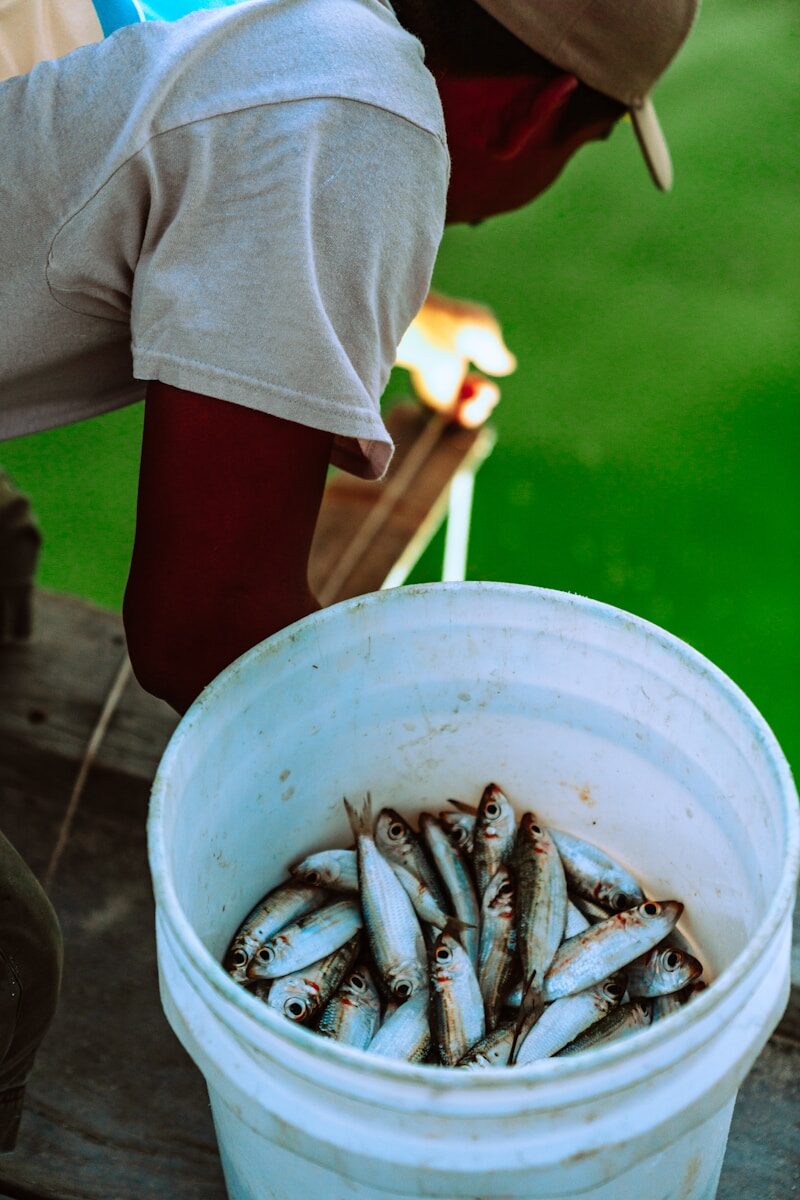
Worms and minnows get all the attention—and for good reason. They work.
But if that’s all you ever use, you’re missing out.
Some of the most effective live baits out there aren’t nearly as popular, even though they can outfish the classics in the right conditions. Whether you’re targeting bass, catfish, or panfish, knowing when to switch things up can make a big difference.
These are some of the best live baits that don’t get used nearly enough.
Crawfish: The Natural Bass Magnet
Crawfish
If you’re fishing for bass and you’re not using crawfish, you’re leaving fish on the table.
Crawfish are a primary food source in many lakes and rivers, especially around rocks, ledges, and structure. Bass are wired to eat them.
Why they work so well:
- Natural prey for bass
- Great around rocky bottoms
- Aggressive strikes
Hook them through the tail or just behind the head and fish them slow along the bottom.
When bass are keyed in on crawfish, nothing beats the real thing.
Bluegill (and Other Sunfish): Big Fish Bait
Bluegill
When you’re targeting big fish, you need bigger bait.
Live bluegill are excellent for:
- Catfish
- Flatheads
- Trophy bass
They create vibration and movement that draws attention—and they stay alive on the hook longer than smaller bait.
Best used:
- Near structure
- In deeper water
- When targeting larger predators
Just be sure to check local regulations—using game fish as bait isn’t legal everywhere.
Leeches: The Underrated Producer
Leech
Leeches don’t get much love—but they should.
They’re incredibly effective for:
- Walleye
- Perch
- Bass
Leeches have a natural, subtle movement in the water that triggers bites even when fish are inactive.
Why anglers like them:
- Stay lively on the hook
- Work well in colder water
- Great for finesse presentations
If the bite is slow, leeches can save the day.
Grasshoppers: Summer’s Secret Weapon
Grasshopper
If you’ve ever seen a grasshopper hit the water, you know what happens next.
Fish go crazy.
Grasshoppers are excellent during warmer months, especially along:
- Shorelines
- Creek edges
- Weedy banks
They’re perfect for:
- Bass
- Panfish
- Trout
They create a natural topwater presentation that fish rarely ignore.
Simple, effective, and often overlooked.
Cut Bait: Scent That Travels
Cut Bait
Sometimes it’s not about movement—it’s about scent.
Cut bait is one of the best options for:
- Catfish
- Gar
- Larger freshwater predators
Fresh chunks of bait fish release oils and scent into the water, drawing fish in from a distance.
Why it works:
- Strong scent trail
- Easy to use
- Effective in murky water
When visibility is low, scent becomes everything.
Matching Bait to Conditions
The key to using live bait effectively isn’t just what you use—it’s when you use it.
Think about:
- Water clarity → Clear water favors natural-looking bait
- Temperature → Cold water often requires slower, subtle movement
- Structure → Match bait to what fish are feeding on in that area
If fish are eating crawfish, throw crawfish.
If they’re chasing baitfish, adjust accordingly.
The Biggest Mistake Anglers Make
Sticking to one bait no matter what.
Conditions change. Fish behavior changes.
And if you’re not willing to adapt, you’ll get outperformed by someone who is.
The Bottom Line
Worms and minnows work—but they’re just the beginning.
Expanding your bait options gives you an edge, especially when the bite gets tough or fish become pressured.
Because sometimes, the difference between a slow day and a great one…
Is simply using something the fish aren’t expecting.