

 A Chinese national has been sentenced to prison for participating in a wildlife trafficking scheme that smuggled protected turtles from the United States to Hong Kong, highlighting the growing global black market for rare reptiles.
According to the U.S. Department of Justice, Sai Keung Tin, also known as Ricky Tin, was sentenced to 30 months in federal prison for his role in illegally exporting protected turtles from the United States to Hong Kong. Prosecutors said Tin aided and abetted turtle smugglers operating in the U.S. between 2018 and 2023.
Authorities say the scheme involved shipping hundreds of live turtles overseas for the illegal exotic pet trade.
Thousands of Turtles Smuggled Overseas
Federal investigators say the trafficking operation was extensive. According to the Department of Justice, Tin helped move approximately 2,100 turtles from the United States to three addresses in Hong Kong. The animals were valued at roughly $4.2 million, based on an estimated price of around $2,000 per turtle in the international pet market.
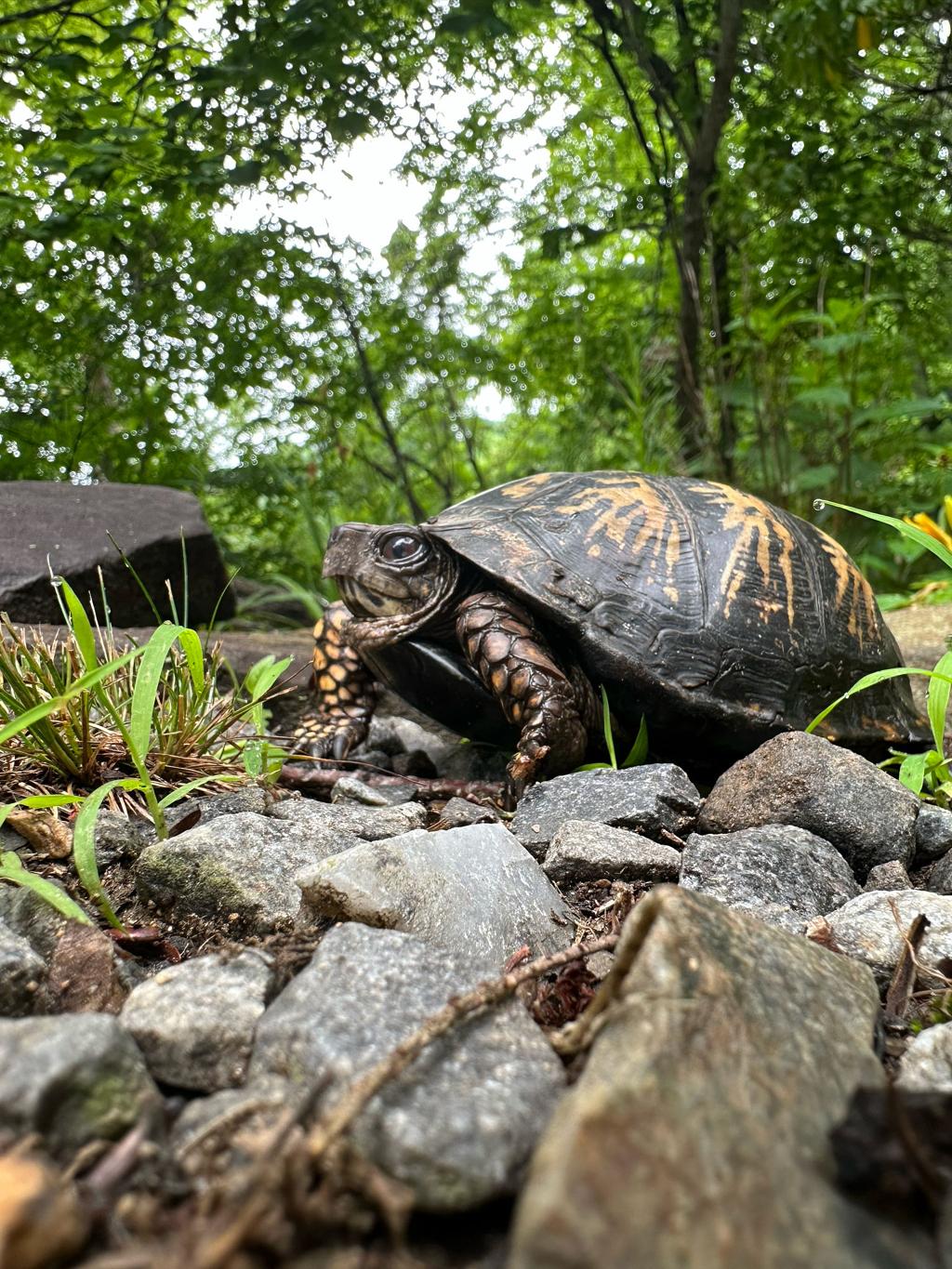
The turtles included eastern box turtles, a native North American species that is highly sought after in foreign exotic pet markets. Wildlife experts say the distinctive shell markings of these turtles make them particularly valuable to collectors.
Many turtle species are protected under international wildlife trade laws because overharvesting for the pet trade has severely reduced wild populations.
How the Smuggling Operation Worked
Investigators say smugglers used deceptive shipping tactics to avoid detection.
According to court records cited by the Department of Justice, the turtles were often wrapped in socks to limit their movement and then placed inside packages labeled as ordinary goods such as food or consumer products.
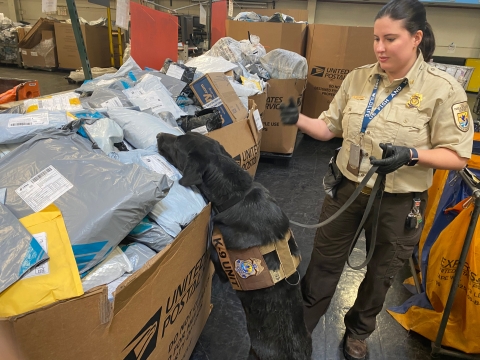
In one case highlighted by prosecutors, wildlife inspectors intercepted four packages at an international mail facility in California. The boxes had been falsely labeled as containing “almonds” and “chocolate cookies,” but inside agents discovered multiple live turtles that had been bound and packed for shipment.
Authorities say the turtles could have died during the lengthy journey due to stress, dehydration, or lack of proper ventilation.
Arrest at a New York Airport
Tin was arrested in February 2024 when he arrived at John F. Kennedy International Airport. According to the Department of Justice, investigators had already gathered evidence linking him to the smuggling operation.
After his arrest, a federal grand jury indicted him on charges related to exporting wildlife illegally. Tin later pleaded guilty to four counts of exporting merchandise contrary to law, which ultimately led to his prison sentence.
Wildlife Crime and the Global Pet Trade
Wildlife trafficking has become one of the most profitable illegal trades in the world, often involving reptiles, birds, and rare mammals.
According to the U.S. Fish and Wildlife Service, turtles are among the most trafficked wildlife species globally because of demand in the exotic pet trade and traditional medicine markets.
Many species involved in the case are protected under the Convention on International Trade in Endangered Species of Wild Fauna and Flora, commonly known as CITES, which regulates international trade in threatened plants and animals.
Violating these protections can carry significant penalties under U.S. law, including prison sentences and large fines.
Protecting Wildlife From Illegal Trade
Wildlife officials say cases like this demonstrate the importance of international cooperation in combating illegal wildlife trafficking.
The U.S. Fish and Wildlife Service works with customs agencies and law enforcement partners around the world to intercept illegally traded animals and dismantle trafficking networks.
Authorities say protecting vulnerable species requires both strong enforcement and public awareness of the impacts of wildlife trafficking.
For conservationists, the case serves as a reminder that illegal wildlife trade remains a major threat to species around the world—even those that may seem common in the wild.