
Decisions Made Far From the Woods: Why Urban Residents Are Driving Wildlife Policy
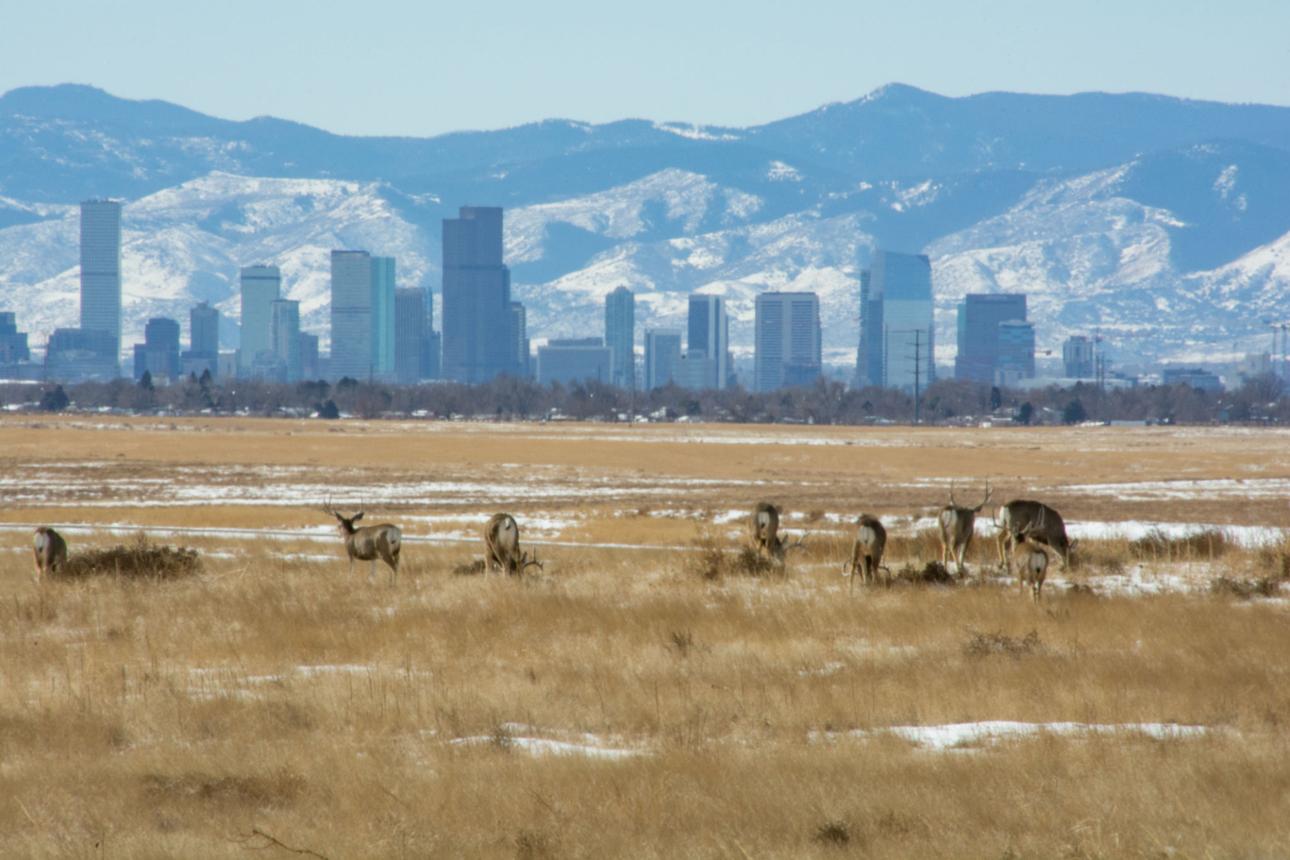
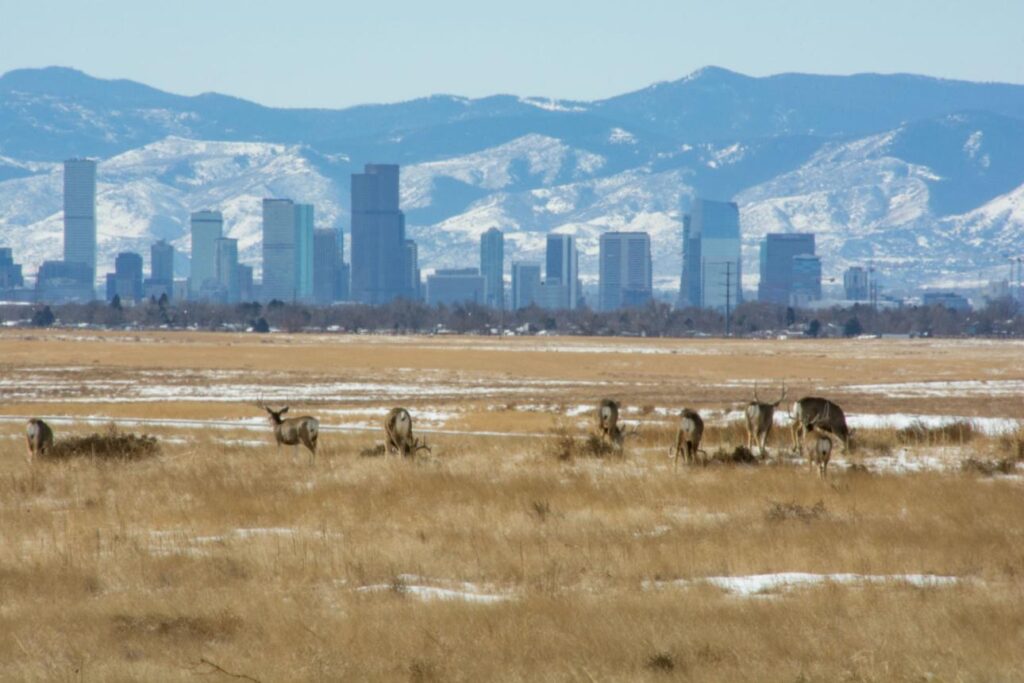
Wildlife policy used to be shaped mostly by the people who lived closest to it.
Ranchers. Hunters. Farmers. Folks who dealt with wildlife not as an idea—but as part of everyday life.
That’s changed.
Today, a growing share of wildlife policy is being influenced—and in many cases driven—by people living in urban and suburban areas, far removed from the realities of managing animals on the ground.
And that shift is creating tension.
The Numbers Tell the Story
The United States is overwhelmingly urban.
According to the U.S. Census Bureau, more than 80% of Americans now live in urban areas. That means most voters, and by extension many policymakers, don’t regularly interact with wildlife beyond:
- Occasional deer sightings
- Social media videos
- News headlines
Their understanding of wildlife often comes secondhand.
And yet, their voices carry significant weight in elections, ballot measures, and public comment periods that shape policy.
Wildlife as an Idea vs Reality
For many urban residents, wildlife represents something symbolic:
- Natural beauty
- Conservation values
- Emotional connection to animals
There’s nothing wrong with that.
But it’s very different from the reality faced by rural landowners and wildlife managers, where animals can also represent:
- Crop damage
- Property destruction
- Safety risks
- Population control challenges
According to the Texas Parks and Wildlife Department, species like white-tailed deer and feral hogs require active management to maintain healthy populations and reduce damage to land and infrastructure.
That kind of management often includes tools—like hunting—that can be controversial to those without firsthand experience.
Policy Without Proximity
One of the core frustrations among rural communities is this:
Decisions are being made by people who don’t live with the consequences.
When policies restrict:
- Hunting methods
- Land use practices
- Predator control
…the impacts are felt most by those on the ground.
But the push for those changes often comes from urban populations who may never:
- Manage a herd
- Repair a fence torn up by wildlife
- Lose crops to overpopulation
That disconnect fuels ongoing debates about who should have the strongest voice in wildlife management.
The Role of Ballot Initiatives and Public Pressure
In many states, wildlife policies can be influenced—or even decided—through public votes or political pressure.
Urban populations, simply by size, often dominate those outcomes.
This has led to high-profile debates over:
- Predator hunting bans
- Trapping regulations
- Methods of take
According to groups like the Boone and Crockett Club, wildlife conservation in North America has historically been built on science-based management, often supported by hunters and conservation funding models.
But when public sentiment shifts, policy can follow—even if it conflicts with established management practices.
Social Media and Perception
Another major factor is perception.
In today’s world, wildlife is often experienced through:
- Viral videos
- Emotional storytelling
- Highly selective imagery
A single video of a predator interaction or a controversial hunt can shape public opinion quickly—especially among people who don’t have broader context.
That can lead to reaction-driven policy discussions rather than long-term, science-based decision making.
The Rural Perspective
For those living in rural areas, wildlife isn’t abstract.
It’s real.
It affects:
- Livelihoods
- Land management decisions
- Daily routines
And while many rural residents strongly support conservation, they often view it through a different lens—one that includes balance, sustainability, and active management.
Finding Common Ground
Despite the divide, there is overlap.
Most people—urban or rural—want:
- Healthy wildlife populations
- Preserved natural spaces
- Responsible stewardship
The challenge is bridging the gap between perception and reality.
That means:
- Better education about wildlife management
- More input from those directly affected
- Policies grounded in both science and real-world experience
The Bottom Line
Wildlife policy is no longer shaped only by those closest to the land.
It’s increasingly influenced by a population that sees wildlife differently—often from a distance.
That doesn’t make their perspective invalid.
But it does raise an important question:
When it comes to managing wildlife…
Should the loudest voice carry the most weight—or the most experienced one?