
From Field to Freezer: How to Properly Clean and Prepare a Wild Hog (Without Ruining the Meat)
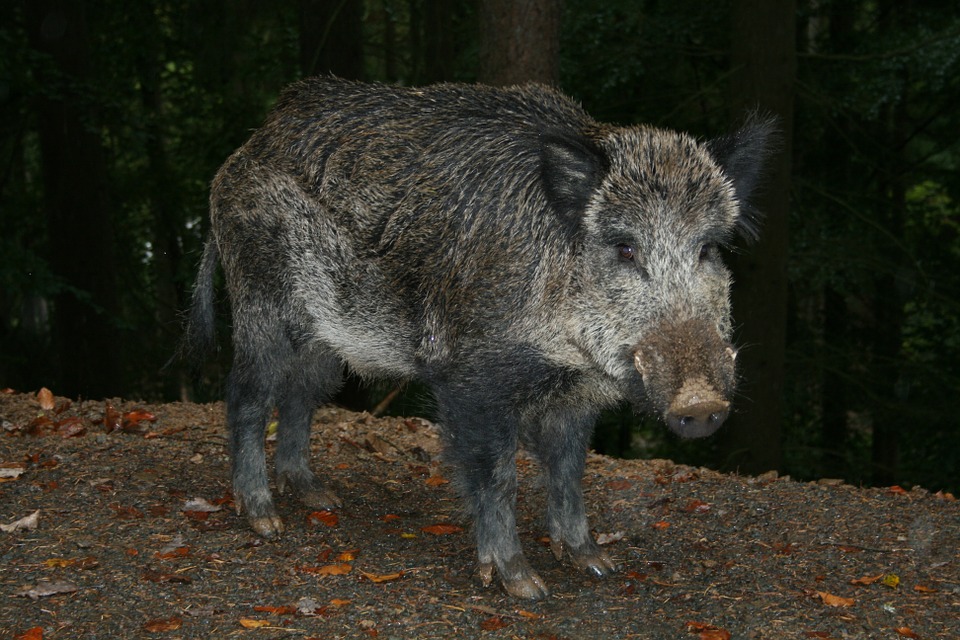

Wild hog hunting is one of the fastest-growing pursuits in the country—and for good reason. They’re abundant, destructive, and offer a chance to put a lot of meat in the freezer.
But here’s the part most people don’t talk about enough:
If you don’t handle a wild hog correctly from the moment it hits the ground, you can ruin the meat fast.
Unlike deer, hogs carry more fat, bacteria, and heat. That means your window to properly clean and cool the animal is much shorter.
Do it right, and you’ll end up with incredible pork.
Do it wrong, and you’ll know it the second you smell it.
Step 1: Act Fast—Heat Is Your Enemy
The clock starts the second the hog hits the ground.
Wild hogs retain heat, especially in warmer climates like Texas. That heat can spoil meat quickly if it’s not removed.
Your goal is simple:
Get the internal temperature down as fast as possible.
If you can, move the hog into shade immediately and begin the field dressing process without delay.
Step 2: Field Dress the Hog
Field dressing removes the internal organs and helps the carcass cool quickly.
Start by making a careful incision from the sternum down toward the pelvis. Be slow and controlled—puncturing the stomach or intestines can contaminate the meat.
Once opened:
- Remove the internal organs
- Cut around the diaphragm
- Sever the esophagus
- Pull everything free
If you’re doing it right, the body cavity should be clean and open, allowing heat to escape.
Step 3: Skin It (Sooner Than Later)
With hogs, skinning isn’t optional—it’s critical.
The hide traps heat and bacteria. Leaving it on too long is one of the biggest mistakes beginners make.
Hang the hog if possible using a gambrel, then:
- Start cuts around the legs
- Peel the hide downward
- Use your knife carefully to separate skin from meat
Take your time here. Clean cuts mean cleaner meat.
Step 4: Quarter the Animal
Once skinned, it’s time to break the hog down into manageable pieces.
Most hunters separate:
- Front shoulders
- Backstraps
- Hind quarters
- Ribs and trim meat
This makes transport easier and allows the meat to cool even faster.
If you’re far from a vehicle, quartering in the field is often the best option.
Step 5: Keep It Clean
Cleanliness is everything when processing wild game.
Avoid:
- Letting meat touch dirt or debris
- Using dirty tools
- Allowing hair or contaminants onto the meat
Use game bags if you have them, and keep everything as clean as possible.
A clean animal in the field means better-tasting meat later.
Step 6: Cool the Meat Properly
Once quartered, you need to get that meat cooled down.
Options include:
- Ice chests (most common in Texas)
- Hanging in a cooler environment
- Immediate transport to refrigeration
Layer meat with ice, but avoid letting it sit in water. Drain coolers regularly.
The faster you cool it, the better it will taste.
Step 7: Processing and Cuts
Once the meat is cooled and ready, you can process it into usable cuts.
Wild hog is versatile:
- Backstraps → steaks or medallions
- Shoulders → sausage, pulled pork, or grind
- Hams → roasts
- Trim → burger or sausage
Because wild hog can be leaner than domestic pork, many hunters mix in fat when grinding.
Step 8: Cook It Right (Don’t Skip This)
Wild hog isn’t something you want to undercook.
It should be brought to a safe internal temperature to eliminate risks like parasites.
Low and slow works best for tougher cuts, while backstraps can be cooked more like traditional pork.
Handled properly, wild hog meat can be just as good—or better—than store-bought pork.
Common Mistakes That Ruin Hog Meat
Most bad experiences with wild hog come down to a few key mistakes:
- Waiting too long to field dress
- Not removing the hide quickly
- Letting meat stay warm too long
- Poor cleanliness during processing
Avoid those, and you’re already ahead of most people.
The Bottom Line
Wild hog hunting doesn’t end when you pull the trigger.
That’s when the real work begins.
If you take the time to properly clean, cool, and process the animal, you’ll be rewarded with high-quality meat that’s well worth the effort.
But if you rush it—or ignore the basics—you’ll waste one of the best resources the outdoors has to offer.
Because in the end, success isn’t just about the hunt.
It’s about what you bring home.