
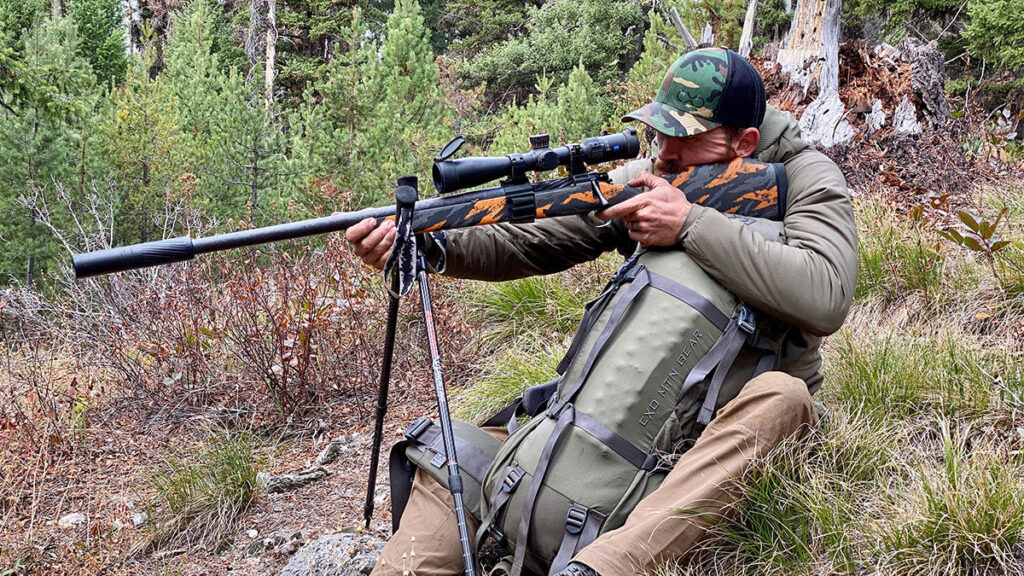
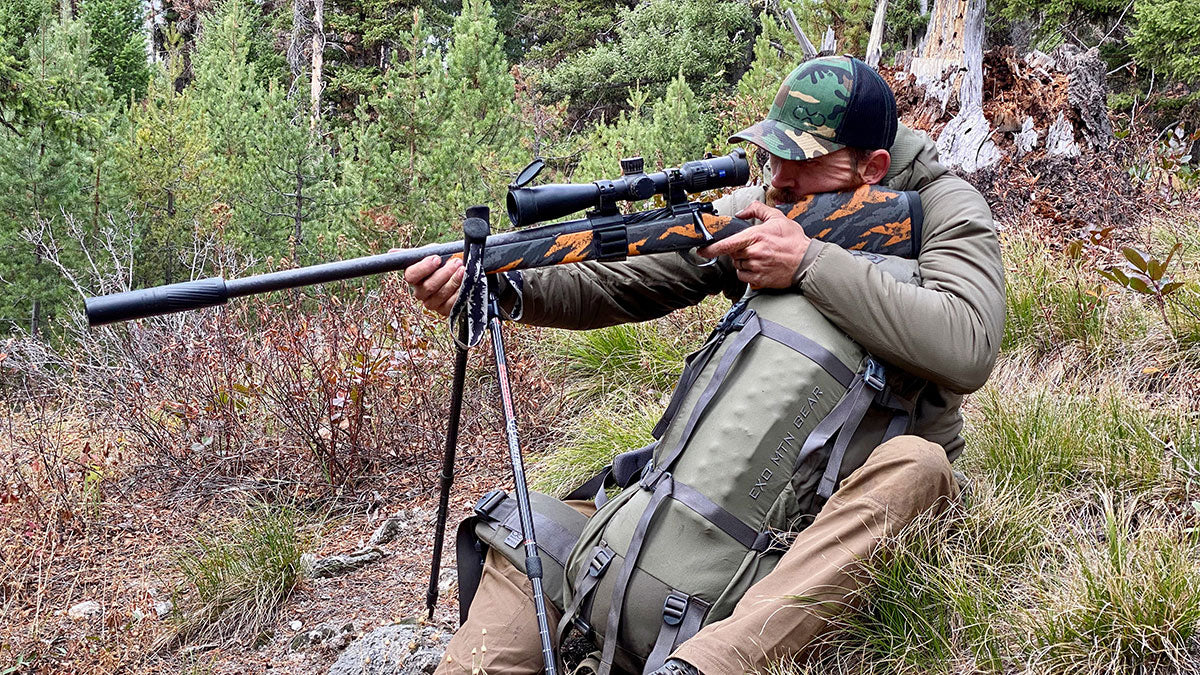
 Gone are the days of ringing ears, and earing loss from quick shots. You can expect quieter shots, less felt recoil, and better protection for your hearing when you hunt with a suppressor, though laws and added weight may change whether it makes sense for your setup. Bold benefits and limits help you decide quickly.
Think about how sound, recoil, and legal rules shape each hunt. Suppressors change your shooting comfort, how they affect rifle fit and ballistics, and what laws you must follow before you attach one.
Use the guidance here to weigh practical trade-offs for gear, accuracy, and legality so you can pick the option that matches your hunting style.
Core Differences: Suppressor vs. No Suppressor in Hunting
You’ll see big changes in noise, animal reaction, and shooter comfort when you add a suppressor. Each change affects gear choice, shot decisions, and what you carry into the field.
Noise Reduction and Hearing Protection
A suppressor cuts the muzzle blast and reduces peak dB at your ear. On a .30-caliber bolt gun or a .300 Blackout, that drop often prevents ear‑ringing after a single shot. You still face high levels depending on caliber and subsonic vs. supersonic loads, so ear protection at the range or during multiple shots remains important.
If you hunt unsuppressed, plan to use foam plugs or electronic muffs. In sudden shot windows where you can’t insert plugs, a suppressor gives “always on” protection. Legal owners also avoid long-term hearing damage without changing shooting habits.
Effect on Wildlife and Hunting Success
A suppressed shot is less likely to spook nearby game. Deer, elk, and hogs often stay closer after a suppressed shot, which helps for quick follow-ups or multiple targets in a herd. That matters most in close-range scenarios and pressured hunting areas.
Unsuppressed shots cause louder startle responses. If you wound or miss, animals are likelier to bolt and run far, making tracking harder. Use a suppressor if you hunt public land, small parcels near neighbors, or want to keep multiple animals within range after the first shot.
Recoil, Accuracy, and Shooter Comfort
Suppressors can slightly reduce recoil and muzzle rise by redirecting gases. The effect varies by design; some suppressors on an AR-15 or .300 Blackout feel noticeably softer, while others give only a small change. Reduced recoil helps you settle back on target faster for follow-up shots.
A suppressor can also reduce flinch by lowering perceived noise, improving shooter accuracy in high‑pressure moments. Expect added length and some front‑end weight, which may change balance and how you carry the rifle. Consider shorter barrels or light titanium models if weight and length matter on long hikes.
Practical Considerations and Legal Factors
You need to know the legal steps, how a can changes your rifle’s feel, and which ammo and thread standards work for hunting setups. These details affect cost, safety, and whether a suppressor will fit your rifle and your hunting style.
Buying Process and Ownership Regulations
Buying a suppressor follows the National Firearms Act (NFA) process. You’ll pay a $200 tax stamp per suppressor, submit fingerprints and a photo, and file an ATF Form 4 (or use a dealer transfer service). Expect several weeks to months for approval, though some companies like Silencer Central help submit paperwork and coordinate with local law enforcement to speed things up.
Not all states allow ownership or hunting with a suppressor. Check both federal NFA rules and your state laws before you buy. Some sellers offer “trust” transfers that let multiple people legally use the can, but creating and maintaining a trust has its own costs and paperwork.
If you buy from a dealer, confirm whether they will ship to your local FFL after approval. Third‑party services can handle fingerprinting, photos, and form submission for an extra fee. Titanium suppressors cost more up front but cut weight, which matters if you hike long distances.
Weight, Rifle Handling, and Setup
A suppressor adds length and weight to your barrel. A titanium suppressor can shave ounces compared with steel, but any can will push balance forward. That changes swing and holds from a tree stand or while stalking.
Test your rifle setup before season. A short barrel paired with a suppressor can keep overall length manageable. If your rifle gets front‑heavy, you can offset weight with a heavier stock or shift sling position, but that adds complexity and cost. Muzzle devices that combine brakes and suppressors exist; some models include removable brake sections to reduce felt recoil while keeping the can compact.
Think about transport and storage too. A mounted can may interfere with cases, bipods, or rests. Practice mounting and zeroing with the suppressor attached. Many hunters report better follow‑up shots because reduced report lessens flinch and spook, but you must confirm point of impact changes for your load.
Ammunition Types and Thread Pitch
Choose ammo that cycles reliably and suits suppressed hunting. Subsonic loads reduce noise further but may drop energy and trajectory; for big game, match bullet weight and velocity to ethical terminal performance. Use quality hunting bullets designed for expansion at expected velocities.
Check your barrel’s thread pitch before buying a can. Common rifle threads include 5/8×24 for many .30‑caliber rifles and .223/5.56 barrels use 1/2×28. Buying a suppressor with the wrong thread means you’ll need an adapter or a muzzle device swap. Many hunters buy a host muzzle brake or adapter first, then thread the suppressor onto that part.
If you plan to move the suppressor between rifles, consider quick‑detach mounts and compatible thread standards. Keep a thread gauge and torque wrench handy when installing. Proper torque and alignment prevent baffle strikes and preserve accuracy.