
He Thought It Was a Trophy Buck—Seconds Later, He Knew Something Was Very Wrong

It’s every hunter’s nightmare.
A split-second decision. Low light. A shape in the distance that looks right—until it isn’t.
And in this case, what was supposed to be the start of a great morning hunt turned into a hard lesson in judgment, patience, and responsibility.
The Shot That Shouldn’t Have Happened
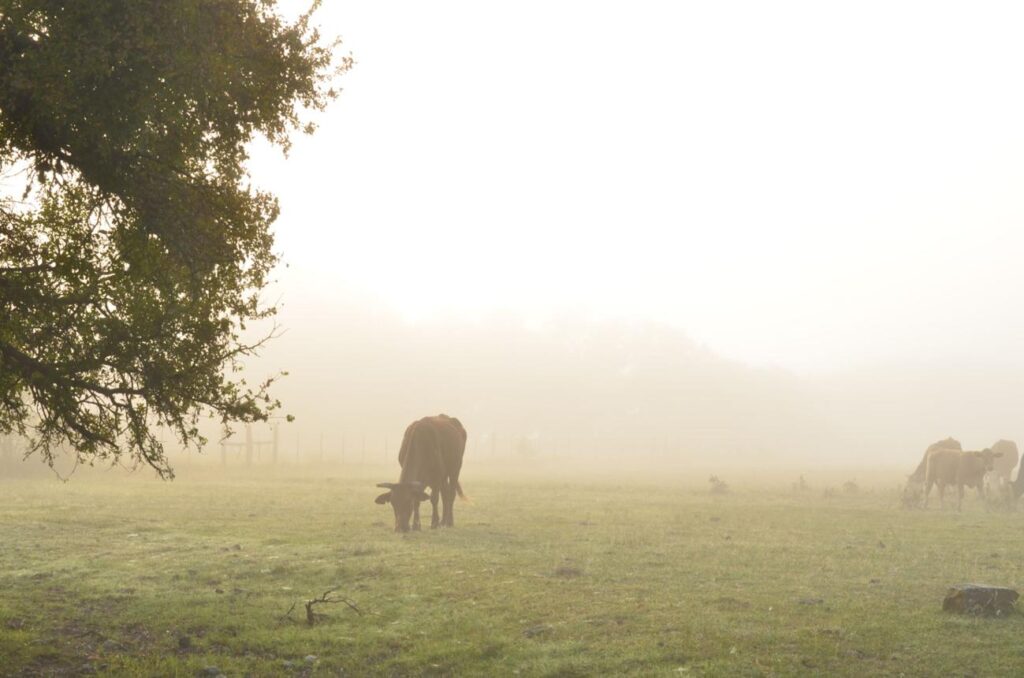
It was early—pre-legal shooting light—when the hunter spotted movement out in the pasture.
Big body. Head down. Exactly where deer had been showing up on trail cameras for weeks.
In that dim, gray light before sunrise, everything lined up in his mind.
He raised his rifle, settled in, and took the shot.
But the reaction wasn’t what he expected.
No bounding run. No flash of a white tail.
Instead, the animal dropped—and almost immediately, something felt off.
The Realization
As the hunter approached, that uneasy feeling turned into certainty.
It wasn’t a deer.
It was a cow.
In low light, the shape had fooled him. What looked like a heavy-bodied buck feeding in a field turned out to be livestock grazing in the same area.
And just like that, the hunt was over.
How It Happens More Than People Admit
Most hunters don’t talk about it—but cases like this happen more often than people think.
Early morning and late evening are prime hunting times, but they’re also the most dangerous when it comes to misidentification.
In low light:
- Depth perception is reduced
- Colors are muted
- Details disappear
What’s left is silhouette and movement—and that’s where mistakes happen.
A cow can look like a deer.
A stump can look like an animal.
And once your brain decides what it’s seeing, it’s hard to reverse that decision in the moment.
The Critical Rule That Was Broken
There’s one rule every hunter learns early:
Be 100% certain of your target before you pull the trigger.
Not 90%.
Not “pretty sure.”
Certain.
That includes:
- Identifying the animal clearly
- Confirming legal shooting light
- Knowing what’s beyond your target
In this situation, the biggest factor wasn’t just misidentification.
It was timing.
Pre-light conditions remove your ability to see clearly—and that’s where discipline matters most.
The Aftermath
To his credit, the hunter didn’t try to hide it.
He owned it.
The rancher was notified, and the situation was handled directly. The cow had value—not just financially, but as part of the ranch operation—and compensation had to be made.
The hunter paid for the animal.
No arguments. No excuses.
And surprisingly…
That wasn’t the end of his time on the lease.
Why He Was Allowed to Stay
In many cases, an incident like this could get a hunter permanently removed from a property.
But context matters.
From what those involved shared:
- It was an honest mistake
- The hunter took responsibility immediately
- He made it right financially
- There was no attempt to cover it up
That goes a long way in rural communities.
Because while mistakes happen, integrity still matters.
And in this case, the landowner chose to see it for what it was—a costly lesson, not reckless intent.
A Lesson Every Hunter Should Take Seriously
This story isn’t about embarrassment.
It’s about awareness.
Because the difference between a mistake and a tragedy often comes down to the same factors:
- Light conditions
- Target identification
- Patience
In this case, it was a cow.
But it could have been far worse.
And that’s the part that should stick with every hunter reading this.
Slowing Down When It Matters Most
The hardest thing to do in hunting is wait—especially when you think you’ve got your opportunity.
But those extra seconds matter.
Taking the time to:
- Let the light improve
- Use optics to confirm
- Double-check what you’re seeing
…can prevent a situation like this entirely.
Because once the trigger is pulled, there’s no taking it back.
The Bottom Line
What started as a promising hunt turned into a mistake that cost money, pride, and a hard-earned lesson.
The hunter thought he saw a deer.
He didn’t.
But how he handled it afterward made the difference.
Because in hunting, mistakes can happen.
What matters most is:
- Taking responsibility
- Making it right
- Learning from it
And remembering that no shot is worth taking unless you’re absolutely sure.
Because sometimes…
What you think you see isn’t what’s really there.