
Here’s Why You Should Never Hike in Bear Country Unprepared: The Yellowstone Grizzly Attack That Changed Everything
Yellowstone National Park is one of the last true strongholds of the American wilderness—a place where massive landscapes, untouched terrain, and apex predators still exist exactly as they have for centuries.
But with that beauty comes risk.
In 2023, a grizzly bear attack involving a hiker in Yellowstone once again highlighted a reality many people underestimate: when you enter bear country, you are stepping into their world.
And if you’re not prepared, things can go wrong fast.
The 2023 Yellowstone Grizzly Encounter
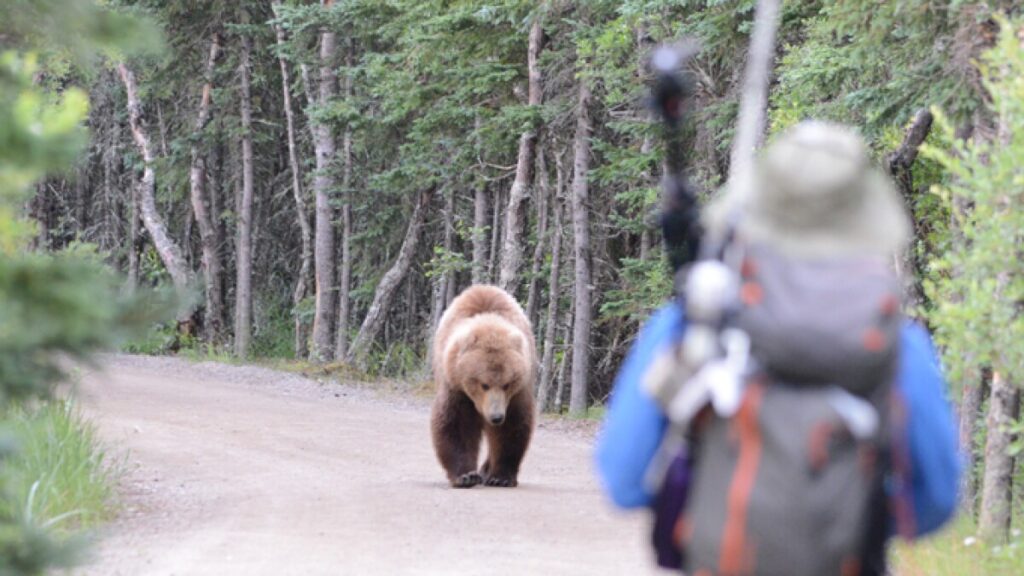
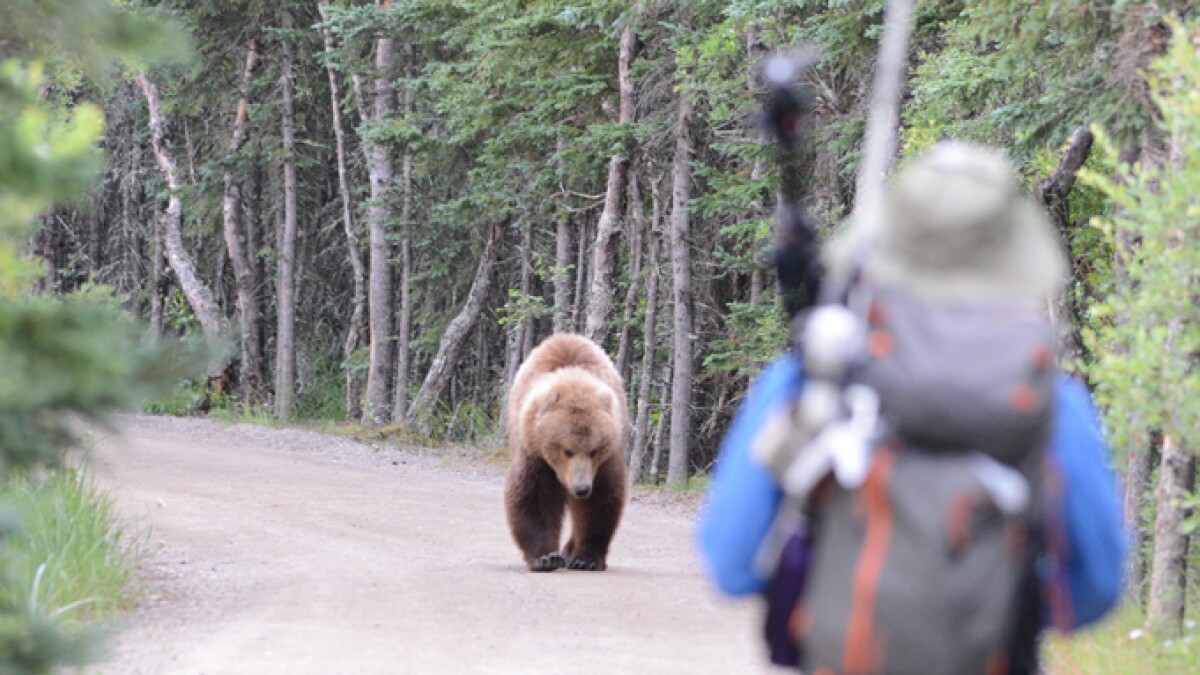
In the summer of 2023, a backcountry hiker traveling alone in Yellowstone encountered a grizzly bear at close range. According to reports from park officials, the encounter happened suddenly—giving the hiker little time to react.
That’s often how these situations unfold.
Grizzlies don’t typically stalk humans. Most attacks happen when:
- A bear is surprised at close distance
- A sow is protecting cubs
- The bear feels threatened or cornered
In this case, the bear made contact.
The hiker was mauled and sustained serious injuries but ultimately survived—largely because help was able to reach them in time and they managed to endure the initial attack.
It was a reminder that even experienced hikers can find themselves in life-threatening situations with almost no warning.
Why Bear Encounters Escalate So Quickly
Grizzly bears are not like black bears. They are larger, more aggressive when threatened, and far less likely to retreat once a confrontation begins.
They can:
- Sprint up to 35 mph
- Cover ground in seconds
- Deliver devastating force with a single swipe
The most dangerous factor, though, is proximity.
Many attacks happen within 30–50 yards—often even closer. At that distance, your reaction time is measured in seconds.
If you’re not ready, you don’t get a second chance.
The Biggest Mistake Hikers Make
Too many people head into bear country thinking:
“It won’t happen to me.”
They skip the essentials. No bear spray. No plan. No awareness of surroundings.
And when something does happen, they’re left trying to figure it out in real time.
That’s not where you want to be.
Bear Spray Isn’t Optional
If you take one thing from this, let it be this:
Carry bear spray. Every time.
Bear spray has been shown to be one of the most effective deterrents against aggressive bears. When deployed properly, it creates a cloud that overwhelms the bear’s senses and can stop a charge.
But it only works if:
- You have it accessible (not buried in a pack)
- You know how to use it
- You react quickly
In multiple documented cases, hikers carrying bear spray have successfully stopped attacks that could have ended much worse.
Awareness Is Your First Line of Defense
Preparation doesn’t start when you see a bear—it starts before you ever step onto the trail.
In bear country:
- Make noise while hiking, especially in dense areas
- Avoid hiking alone when possible
- Watch for fresh tracks, scat, or disturbed ground
- Be extra cautious near water, berry patches, and carcasses
Surprising a bear is one of the fastest ways to trigger an attack.
What To Do If It Happens
Even with preparation, encounters can still happen.
If you see a bear:
- Stay calm
- Do not run
- Speak in a steady voice
- Slowly back away
If a charge occurs:
- Stand your ground
- Deploy bear spray when the bear is within range
In the case of a defensive attack (common with grizzlies), playing dead after contact can sometimes reduce further injury—but every situation is different.
The Reality of Yellowstone
Yellowstone isn’t a controlled environment. It’s not a zoo. It’s not a place where wildlife is separated from people.
It’s wild.
Grizzlies roam freely. Encounters are rare—but they are real.
And when they happen, they don’t look like something out of a documentary.
They’re fast. Violent. Unpredictable.
The Bottom Line
The 2023 Yellowstone grizzly attack is a reminder that preparation isn’t optional—it’s essential.
You don’t need to be paranoid. But you do need to be ready.
Because in bear country, you’re not the top predator.
You’re just another presence in the landscape.
And if something goes wrong, what you have—or don’t have—on you could be the difference between walking out…
Or not walking out at all.