
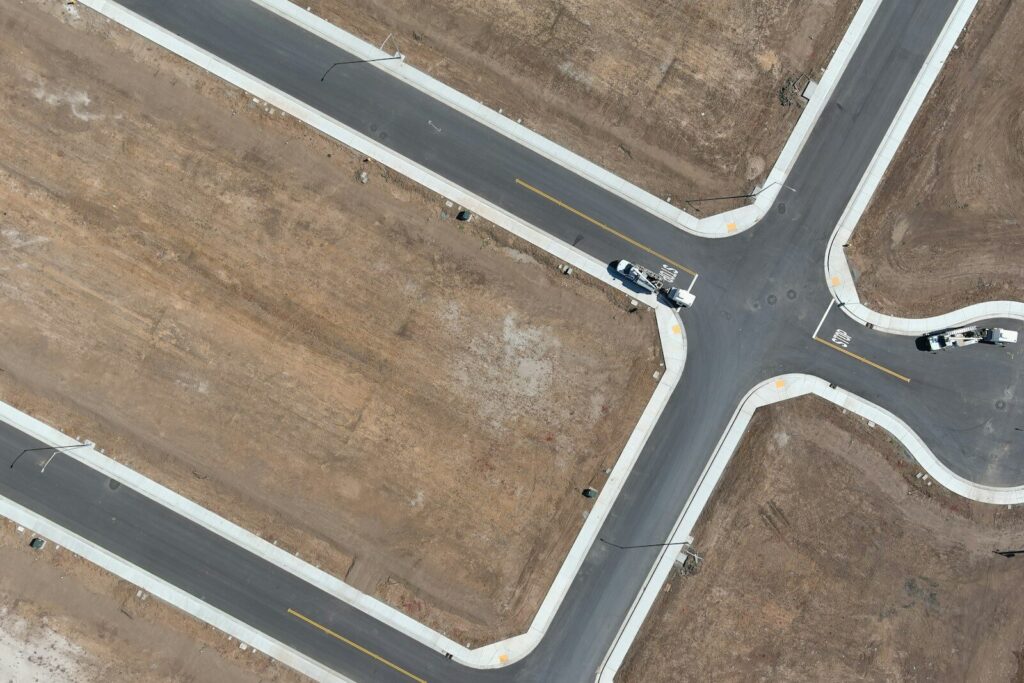

A Growing Battle on America’s Rural Landscape
Across the United States, rural landscapes that once supported cattle ranches, farms, and open pastureland are increasingly becoming the sites of large housing developments. As cities expand outward and populations grow, developers are purchasing rural land at record rates to build subdivisions, master-planned communities, and luxury rural estates.
For ranchers and farmers who have worked the land for generations, the rapid spread of housing developments is creating both economic opportunities and serious challenges. Some landowners choose to sell when development offers prices far above agricultural land values. Others worry that expanding neighborhoods threaten the long-term future of ranching.
The result is an ongoing debate about who ultimately shapes the future of rural America—developers responding to housing demand or ranchers seeking to preserve working landscapes.
Rapid Population Growth Driving Development
One of the primary forces behind rural development is population growth in major metropolitan areas. As cities grow more crowded and housing prices rise, many families are moving toward rural or semi-rural areas in search of more space and lower housing costs.
According to population data from the U.S. Census Bureau, suburban and exurban communities surrounding large cities have been among the fastest-growing areas of the country over the past two decades.
This growth has fueled demand for large-scale housing developments that can accommodate thousands of new residents.
Developers often look to ranchland and farmland as potential sites because these properties are typically large, relatively undeveloped, and located near expanding urban areas.
The Economics of Selling Land
For many ranchers, development offers a difficult financial decision.
Land that produces modest income from cattle or crops may suddenly become extremely valuable if it is suitable for housing development.
According to agricultural land value reports from the U.S. Department of Agriculture, farmland near growing cities can sell for many times its value as working agricultural land.
In some cases, the financial pressure becomes difficult for ranching families to resist. Selling part or all of a property to developers can provide retirement income or help pay rising property taxes.
But once land is converted to housing, it rarely returns to agricultural use.
Ranchers Concerned About the Future
Many ranchers worry that continued development could permanently change the character of rural communities.
Working ranches depend on large open spaces for grazing livestock and maintaining natural ecosystems. As subdivisions spread, those landscapes become fragmented.
According to conservation studies conducted by the American Farmland Trust, the United States has lost millions of acres of farmland and ranchland to development in recent decades.
This trend raises concerns about long-term food production, wildlife habitat, and the cultural traditions associated with agriculture.
For ranchers who want to continue operating, development can also create conflicts with nearby residents unfamiliar with agricultural life.
When New Neighbors Move In
Conflicts between ranchers and new residential communities often emerge after development occurs.
Ranch operations can involve noise from machinery, livestock odors, dust from dirt roads, and seasonal activities such as branding or herding cattle.
Residents who move from urban environments may not expect these aspects of rural life.
Many states have adopted “Right to Farm” laws that protect agricultural operations from nuisance lawsuits filed by nearby homeowners.
According to the National Agricultural Law Center, these laws were designed to prevent farms and ranches from being forced out of operation simply because development moved closer to agricultural land.
Still, disputes between ranchers and new neighbors remain common.
Wildlife Habitat at Risk
Ranchland and farmland often provide important wildlife habitat.
Open grazing areas, natural grasslands, and undeveloped forests support species ranging from deer and elk to migratory birds and pollinators.
According to habitat studies from the U.S. Fish and Wildlife Service, many private ranches play a critical role in maintaining wildlife corridors and preserving natural ecosystems.
When large developments replace open land, those habitats can disappear.
Conservation groups often emphasize that protecting working ranches may be one of the most effective ways to preserve wildlife habitat.
The Search for Balance
Communities across the country are now exploring ways to balance development with the preservation of agricultural land.
Some local governments use zoning rules to limit how land can be subdivided. Others promote conservation easements that allow ranchers to sell development rights while continuing agricultural operations.
According to the Land Trust Alliance, conservation easements have helped protect millions of acres of farmland and ranchland from development.
These programs allow landowners to receive financial compensation while ensuring their land remains open and productive.
Who Shapes the Future of Rural Land?
The debate between housing development and ranching ultimately reflects broader questions about the future of rural America.
Developers argue that growing populations require new housing and infrastructure. Ranchers and conservationists argue that once open land is lost, it may never return.
As cities continue expanding into rural areas, these competing priorities will likely become even more prominent.
For now, the landscape of rural America remains a place where two very different visions of the future are colliding—one defined by subdivisions and new neighborhoods, and the other by cattle, open pastures, and working ranches that have shaped the land for generations.