
How to Reduce Recoil and Get Faster, More Accurate Follow-Up Shots
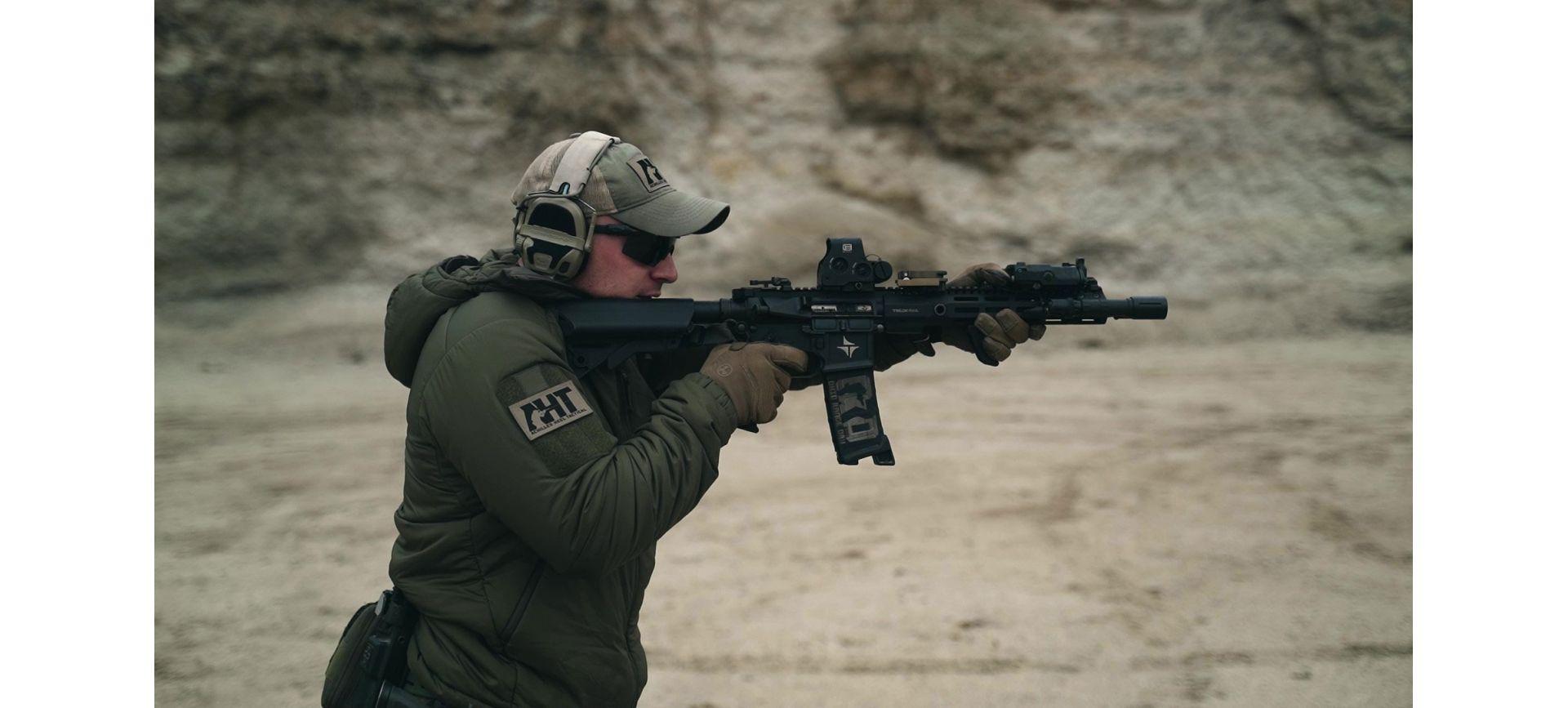
Recoil is part of shooting—but how you manage it determines how well you shoot, especially when it comes to follow-up shots. Whether you’re hunting, training, or shooting at the range, controlling recoil isn’t just about comfort. It directly impacts accuracy, speed, and confidence.
If your rifle is jumping off target or you’re struggling to get back on the animal quickly, recoil management is likely the issue. The good news is, most of it comes down to fundamentals and setup—not just caliber.
Start With Proper Body Position
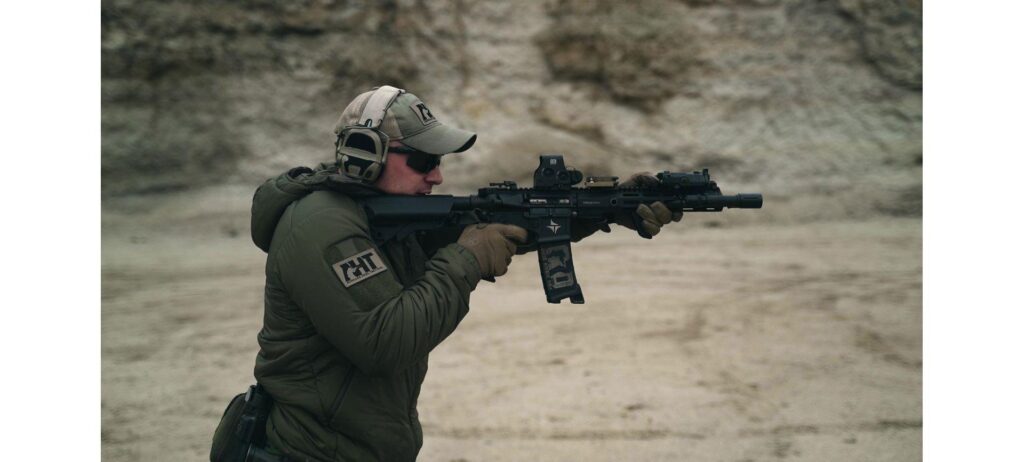
The foundation of recoil control starts with how you position your body behind the firearm.
A common mistake is sitting too upright or leaning away from the rifle. That allows recoil to push you backward and forces you to reset after every shot.
Instead:
- Lean slightly forward into the rifle
- Keep your shoulders square to the target
- Maintain a stable, balanced stance
According to training principles from the National Shooting Sports Foundation, proper body alignment helps absorb recoil more efficiently and keeps the shooter in control of the firearm.
When your body is working with the recoil instead of against it, follow-up shots become much faster.
Build a Solid Shoulder Pocket
Where the rifle sits on your shoulder matters more than most people realize.
The buttstock should be placed firmly in the “pocket” of your shoulder—not on your arm and not too high on your collarbone.
A poor shoulder position leads to:
- Increased felt recoil
- Inconsistent shooting
- Slower recovery between shots
A solid shoulder mount helps distribute recoil evenly and keeps the rifle from shifting after the shot.
Grip and Trigger Control Make a Difference
Your grip should be firm—but not tense.
Over-gripping can cause unnecessary movement, while a loose grip allows the rifle to jump more than it should.
Focus on:
- A consistent grip every time
- Smooth trigger pull without jerking
- Maintaining control through the shot
According to marksmanship guidance from the U.S. Marine Corps, proper trigger control is critical for maintaining sight alignment and reducing unnecessary movement during recoil.
Use the Right Shooting Position
Different shooting positions handle recoil differently.
For example:
- Prone (lying down) offers the most stability and recoil control
- Sitting or kneeling provides moderate control
- Standing has the least stability and most recoil movement
Whenever possible, use support:
- Bipods
- Shooting sticks
- Natural rests like logs or rocks
The more stable your position, the less the rifle will move after the shot.
Upgrade Your Equipment Where It Matters
While fundamentals come first, equipment can make a noticeable difference.
Recoil Pads
A quality recoil pad can reduce felt recoil significantly by absorbing some of the impact before it reaches your shoulder.
Muzzle Brakes
Muzzle brakes redirect gas to reduce recoil and muzzle rise. They can make a dramatic difference, especially on larger calibers.
According to product performance insights from Hornady Manufacturing, muzzle devices can reduce recoil and help shooters maintain better control of their firearm.
The trade-off is increased noise and blast—something to keep in mind.
Suppressors
Suppressors not only reduce sound but can also help reduce recoil and muzzle rise. They add weight to the barrel, which can stabilize the rifle during firing.
Choose the Right Caliber for Your Ability
One of the biggest mistakes shooters make is choosing more recoil than they can comfortably manage.
A heavier caliber doesn’t matter if you can’t control it.
According to the National Deer Association, shot placement is far more important than caliber size when it comes to effective hunting.
If you’re flinching or struggling with recoil, stepping down in caliber can improve your performance immediately.
Practice Recoil Management
Like anything else, recoil control improves with practice.
Focus on:
- Dry fire practice to eliminate flinching
- Controlled live fire sessions
- Paying attention to how your rifle moves after each shot
The goal is to keep the rifle on target—or return to target as quickly as possible.
Follow Through Is Key
One of the most overlooked aspects of recoil control is follow-through.
After the shot breaks:
- Keep your eyes on the target
- Maintain your shooting position
- Don’t immediately lift your head or move
Good follow-through allows you to track your shot and prepare for a fast, accurate follow-up if needed.
The Bottom Line
Recoil isn’t something you eliminate—it’s something you manage.
With the right fundamentals, proper equipment, and consistent practice, you can reduce recoil impact and dramatically improve your follow-up shots.
At the end of the day, shooting isn’t about how hard a rifle kicks—it’s about how well you control it.