

When most Americans hear the word “tariff,” they think about trade wars, global supply chains, or political debates in Washington. But for hunters and anglers, tariffs can have a much more practical impact — showing up in the cost of ammunition, fishing tackle, firearms, boats, and outdoor gear.
Because the outdoor industry relies heavily on imported materials and global manufacturing, changes in U.S. trade policy can ripple through the sporting community in ways many don’t immediately realize.
Ammunition and Firearms
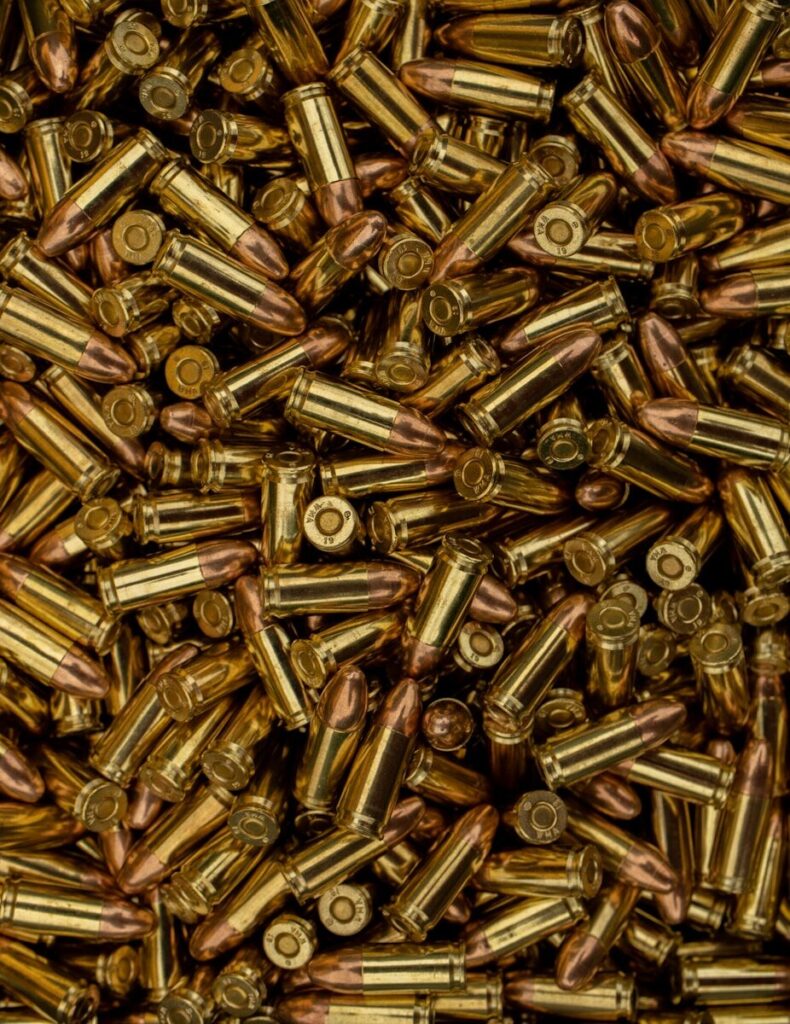
One of the most noticeable impacts of tariffs can be seen in ammunition pricing.
Even when ammo is manufactured in the United States, many of the raw materials used to produce it — including brass, copper, lead, and steel — are sourced globally. If tariffs are placed on imported metals or finished ammunition, production costs can rise. Manufacturers often pass those increases on to distributors and retailers, and ultimately to hunters at the counter.
The same applies to firearms. While many American brands produce domestically, some components, specialty metals, or entire models may be imported. Tariffs on foreign-made firearms or parts can drive up prices, especially for entry-level rifles and shotguns popular among first-time hunters.
Optics are another area where trade policy plays a role. Scopes, red dots, binoculars, and rangefinders frequently rely on overseas manufacturing. Tariffs affecting these imports can increase retail prices on essential hunting equipment.

Fishing Gear and Tackle
Fishing equipment is particularly exposed to global trade shifts.
A large percentage of rods, reels, lures, soft plastics, hooks, and terminal tackle are manufactured overseas, particularly in Asia. When tariffs are imposed on those imports, suppliers and retailers often adjust pricing to reflect higher costs.
For anglers, that can mean:
-
More expensive rods and reels
-
Increased prices on everyday tackle
-
Higher costs for fishing line and electronics
Even brands headquartered in the United States may rely on foreign production, meaning price adjustments can affect gear across the board.
Boats and Marine Equipment
Tariffs on materials like aluminum can directly affect boat prices. Aluminum fishing boats, in particular, may become more expensive if tariffs increase raw material costs.
Marine electronics — including fish finders, trolling motors, and GPS systems — also often incorporate imported components. Trade restrictions or increased duties can push prices higher for serious anglers investing in new equipment.
For those purchasing a new boat or upgrading electronics, even modest percentage increases can translate into thousands of dollars.
The Case for Domestic Production
Supporters of tariffs argue that higher import costs encourage companies to manufacture products domestically. In theory, this could strengthen American production, reduce reliance on foreign suppliers, and create jobs.
If outdoor brands shift manufacturing back to the United States, it could eventually stabilize supply chains and reduce vulnerability to global disruptions. However, transitioning production takes time, capital, and workforce development. Not all materials or manufacturing processes can easily move stateside at competitive costs.
Supply Chain and Market Effects
Tariffs don’t operate in isolation. They intersect with inflation, transportation costs, labor shortages, and global demand.
When companies anticipate higher costs, they may adjust inventory strategies or raise prices preemptively. Consumers, in turn, may stockpile certain items if they expect further increases. These cycles can contribute to volatility in availability and pricing — especially during peak hunting and fishing seasons.
In some cases, foreign governments respond to U.S. tariffs with their own trade measures. If that affects American-made outdoor products sold abroad, manufacturers may face additional pressure.
What It Means for Sportsmen
For the average hunter or angler, the most immediate effect of tariffs is simple: higher prices on certain gear.
A box of ammunition might cost more. A new fishing reel could see a price bump. Boat upgrades may stretch budgets further than expected.
Whether tariffs ultimately strengthen domestic production or place long-term cost burdens on consumers remains a subject of ongoing debate. What’s clear is that trade policy doesn’t just affect international commerce — it influences everyday outdoor recreation.
For hunters and anglers who value preparation and planning, staying informed about economic policy is part of understanding the full picture. The cost of participating in America’s outdoor traditions is shaped not only by seasons and regulations — but by decisions made far beyond the woods and the water.