

Idaho Poaching Case Could Lead To Life Time Hunting Ban
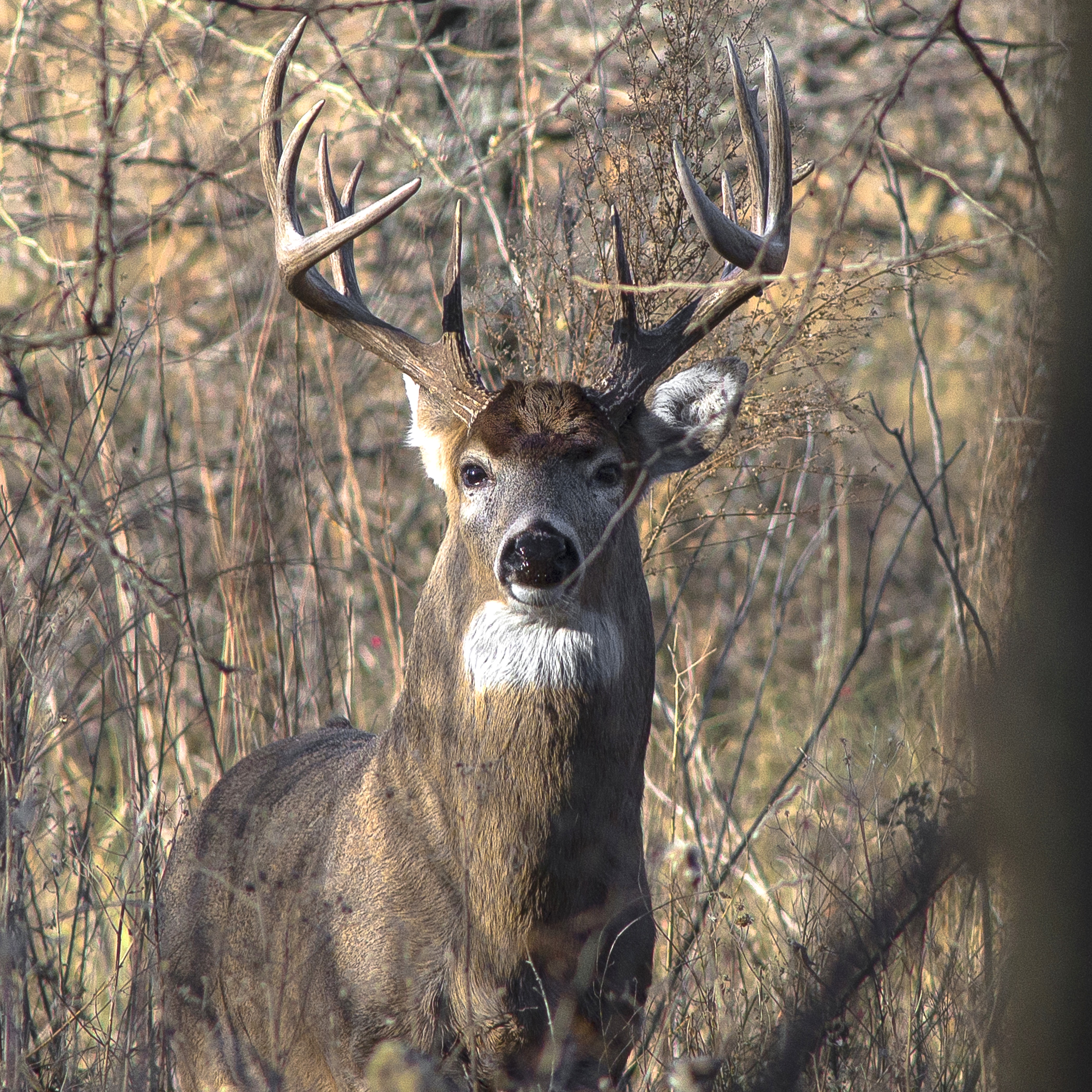
A wildlife poaching case in northern Idaho has drawn attention from conservation officials and hunters after investigators uncovered the illegal killing of multiple big game animals. Authorities say the case highlights the continuing challenge wildlife officers face in protecting game populations across the western United States.
The investigation focused on the unlawful killing of three white-tailed deer and one elk in the Idaho Panhandle region. According to the Idaho Department of Fish and Game, conservation officers began investigating the case after receiving reports of suspicious hunting activity and evidence that animals had been illegally taken.
Officials said the animals were killed during nighttime hunting activity using artificial light, a practice commonly referred to as spotlighting, which is illegal in Idaho and most states because it gives hunters an unfair advantage and often leads to wasted wildlife.
Investigation Leads to Charges
The investigation eventually led authorities to a suspect from Coeur d’Alene. According to the Idaho Department of Fish and Game, the man was charged with two felony and four misdemeanor wildlife violations related to the unlawful killing of the animals.
The case concluded with sentencing in early March after prosecutors presented evidence gathered during the investigation. The Idaho Department of Fish and Game reported that the defendant received 60 days in county jail, four years of supervised probation, and a suspended prison sentence as part of the court’s ruling. The agency also confirmed the individual was ordered to pay $6,750 in restitution and fines for the illegally killed animals.
Long-Term Hunting Ban Issued
In addition to jail time and financial penalties, the court imposed one of the most significant punishments available in wildlife crime cases: the loss of hunting privileges.
The Idaho Department of Fish and Game reported that the defendant’s hunting license was revoked for 17 years, effectively preventing him from legally hunting during that period. Officials also required him to complete 200 hours of community service and a hunter education course as part of the sentencing.
Wildlife officers say license suspensions are one of the strongest deterrents against poaching because they prevent repeat offenses.
Why Poaching Is Treated as a Serious Crime
Wildlife agencies consider poaching a serious offense because it directly harms wildlife populations and undermines conservation programs funded by legal hunters.
According to the National Shooting Sports Foundation, conservation funding in the United States largely comes from hunting licenses and excise taxes on hunting equipment. When animals are illegally killed, those management systems are bypassed.
Conservation officers often emphasize that poachers are not simply breaking hunting regulations—they are stealing wildlife from the public.
Interstate Consequences for Wildlife Violations
The penalties for wildlife crimes can extend far beyond a single state.
Through the Interstate Wildlife Violator Compact, all 50 states share information about hunting and fishing violations. The agreement allows states to recognize and enforce license suspensions issued elsewhere.
According to the Interstate Wildlife Violator Compact, a hunter whose license is revoked in one state can lose hunting privileges across all member states, preventing offenders from simply moving their activities across state lines.
Wildlife Officials Encourage Public Tips
Wildlife investigations often rely heavily on information from the public. Conservation officers say many poaching cases begin when hunters, landowners, or outdoor recreationists report suspicious activity.
The Idaho Department of Fish and Game encourages residents to report potential wildlife crimes to conservation officers or through tip lines so investigators can respond quickly.
Officials say protecting wildlife resources requires cooperation between law enforcement and the hunting community.
Protecting Wildlife for Future Generations
For many hunters and conservationists, cases like this serve as a reminder of the importance of ethical hunting and wildlife stewardship.
Legal hunting seasons and regulations are designed to ensure that game populations remain healthy and sustainable. When poaching occurs, it threatens not only individual animals but the long-term conservation systems that support wildlife across the country.
Wildlife officers say the Idaho case demonstrates that illegal hunting activity will be investigated and prosecuted—and that protecting wildlife remains a priority for conservation agencies throughout the West.