
Bass fishing has become one of the most popular freshwater sports in North America, and serious anglers know that the right lure can make all the difference. While there are thousands of lures on the market, professional anglers tend to rely on a handful of proven options that consistently produce fish.
Competitive bass tournaments organized by the Bassmaster have shown that certain lure styles repeatedly dominate leaderboards. According to tournament coverage and angler interviews published by Major League Fishing, many professional anglers carry a small set of go-to lures they trust in almost every fishing condition.
Here are five bass fishing lures that many pros consider essential.
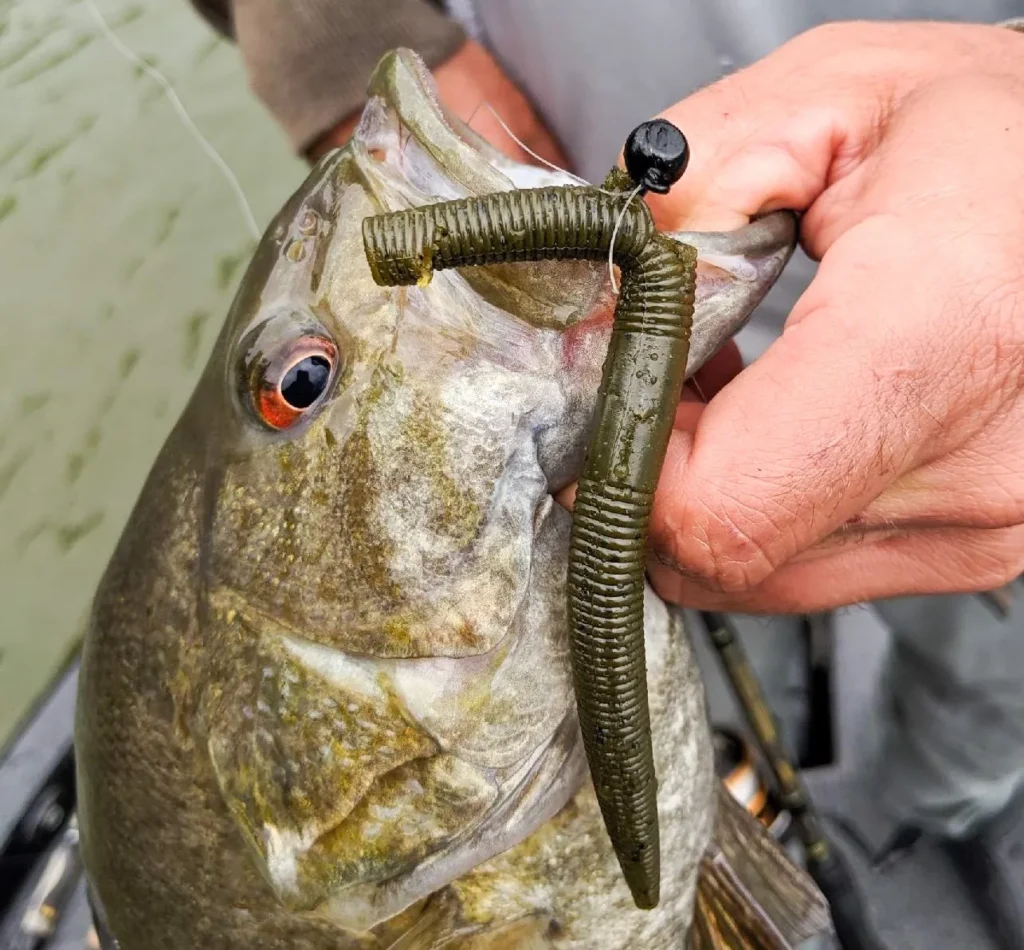
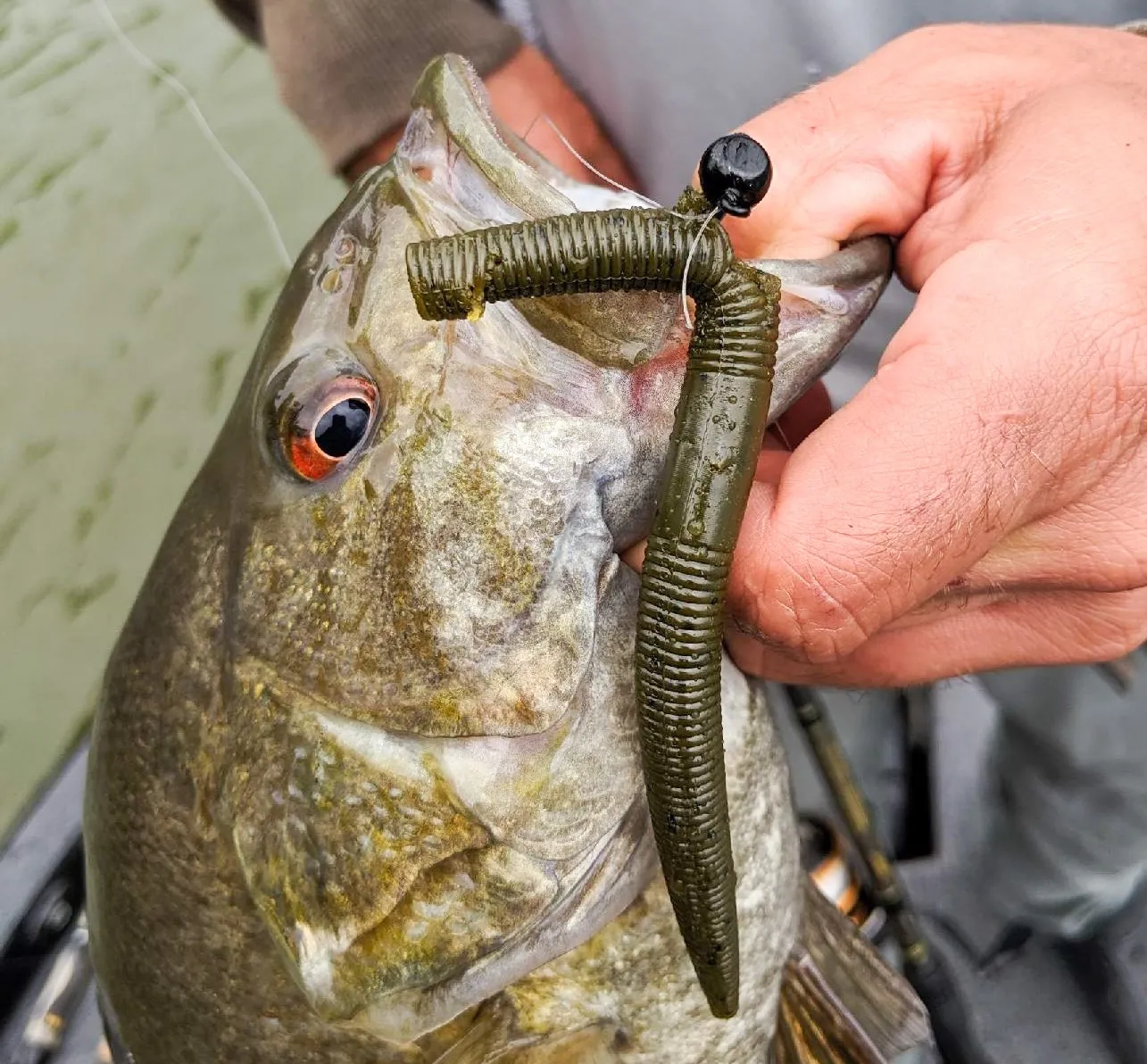
Soft Plastic Worm
The soft plastic worm remains one of the most reliable bass lures ever created. It’s simple, versatile, and extremely effective in a wide range of situations.
Anglers can rig a plastic worm in several ways, including the Texas rig, Carolina rig, or wacky rig. These setups allow the lure to move naturally through weeds, brush, and underwater structure where bass often hide.
According to fishing guidance published by the Texas Parks and Wildlife Department, soft plastics are among the most commonly used artificial lures for largemouth bass because they mimic natural prey such as worms and small baitfish.
Spinnerbait
Spinnerbaits have long been a favorite among tournament anglers. These lures use spinning metal blades to create flash and vibration in the water, which helps bass detect them even in murky conditions.
Spinnerbaits are particularly effective around vegetation, submerged wood, and shallow water cover where bass often ambush prey.
Professional anglers frequently use spinnerbaits during windy conditions when the water surface is disturbed and bass become more aggressive.
Crankbait
Crankbaits are designed to imitate small baitfish. Their diving lip allows them to swim at specific depths depending on the lure design.
Many professional anglers rely on crankbaits to quickly cover large areas of water while searching for active bass.
According to tournament coverage from Bassmaster, crankbaits are frequently used during spring and fall when bass are actively feeding on baitfish.
Jig
Bass jigs are one of the most versatile lures in fishing.
A jig consists of a weighted head and hook typically paired with a soft plastic trailer. This combination creates a bulky presentation that resembles crawfish or other bottom-dwelling prey.
Professional anglers often use jigs around heavy cover such as docks, brush piles, and fallen timber where larger bass are likely to hide.
Topwater Frog
Few fishing experiences are as exciting as watching a bass explode on a topwater lure.
Topwater frog lures are designed to move across thick vegetation such as lily pads and grass mats where other lures would become tangled.
These lures imitate frogs or small animals moving across the water surface, triggering explosive strikes from bass lurking below.
Many tournament anglers rely on frog lures during the summer months when bass frequently hide in heavy vegetation.
Why These Lures Work
Bass are opportunistic predators that feed on a wide range of prey including baitfish, crawfish, insects, and amphibians.
The most successful lures imitate these natural food sources while also creating movement, vibration, or flash that attracts attention.
Professional anglers often rotate between different lure types depending on water clarity, temperature, weather conditions, and available cover.
The Bottom Line
While there’s no single “perfect” lure for bass fishing, a handful of proven options continue to stand out year after year.
Soft plastic worms, spinnerbaits, crankbaits, jigs, and topwater frogs remain staples in the tackle boxes of professional anglers.
For anyone looking to improve their bass fishing success, mastering these five lures is a great place to start—and it might just lead to the next trophy bass.
I also use garlic scent “SPIKE IT”
Bass like it and often bite my lure more times.