

Neighbor Calls Police Over Kids Fishing—But Didn’t Know They Had Permission
It started like something straight out of a quiet afternoon.
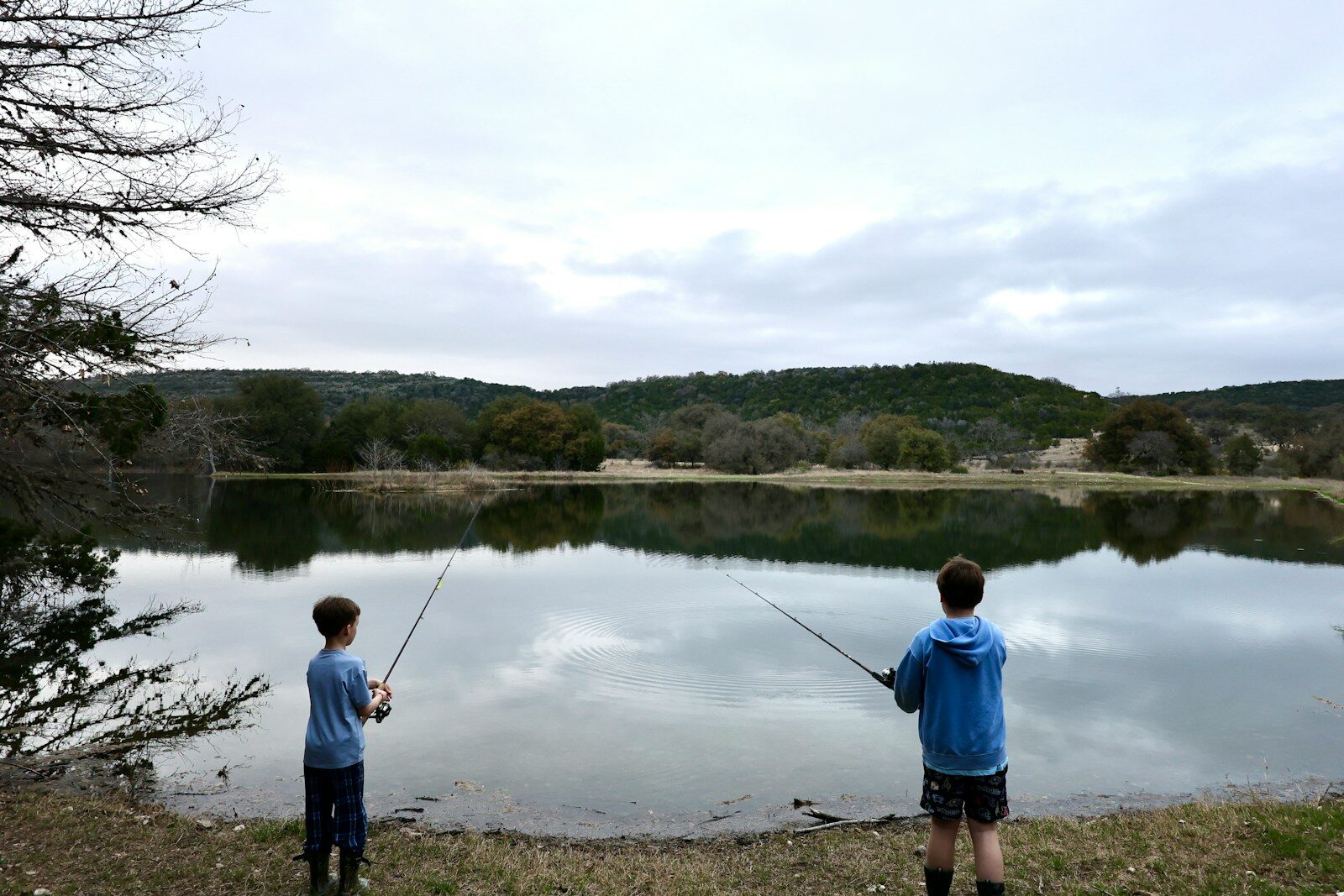
A couple of kids, fishing rods in hand, standing along the edge of a neighborhood pond—doing what generations have done before them. No noise, no trouble, just casting lines and waiting for a bite.
Then the police showed up.
A Call That Changed the Scene
In what neighbors later described as an overreaction, a nearby resident called law enforcement to report kids fishing in what they believed was a private pond.
From their perspective, it was simple:
Kids were on property they shouldn’t be on.
But there was one problem.
They were wrong.
The Missing Piece: Permission
What the caller didn’t know—or didn’t bother to confirm—was that the kids had already been given permission to fish there.
Whether it came from the landowner directly or through a family connection, the key detail was this:
They weren’t trespassing.
They were allowed to be there.
And yet, by the time officers arrived, the situation had already escalated from a quiet afternoon into something much bigger than it needed to be.
When Assumptions Lead to Action
This is where situations like this often go sideways.
Instead of asking questions or verifying the situation, the neighbor made an assumption—and acted on it.
Calls involving “trespassing” or “suspicious activity” tend to get taken seriously, especially when it involves minors or private property.
So officers responded.
From their standpoint, they were doing their job.
But from the kids’ perspective, it likely felt very different.
The Reality of Moments Like This
Encounters like this may not seem like a big deal on paper—but they stick with people.
For kids especially, having police show up while you’re doing something as simple as fishing can:
- Turn a positive experience into a stressful one
- Create confusion about what’s allowed
- Leave a lasting impression
All over something that could have been handled with a conversation.
Private Property vs. Community Use
Ponds in neighborhoods can be tricky.
Some are:
- Strictly private
- Owned by HOAs
- Shared or informally used by residents
And not everyone always knows the exact boundaries or rules.
But that’s exactly why situations like this require a little more patience—and a little less assumption.
Because not every unfamiliar face is doing something wrong.
A Growing Pattern
Stories like this aren’t isolated.
Across the country, there’s been a growing number of incidents where:
- People call authorities over perceived violations
- Situations escalate before facts are known
- Minor issues turn into larger confrontations
It’s often driven by a mix of caution, misunderstanding, and sometimes frustration over shared spaces.
But the outcome is usually the same:
A situation that didn’t need to happen in the first place.
What Could Have Been Done Differently
In this case, a simple approach could have changed everything.
Instead of calling police immediately, the neighbor could have:
- Asked the kids if they had permission
- Contacted the property owner
- Taken a moment to understand the situation
That kind of interaction doesn’t just resolve issues—it builds community.
Because at the end of the day, most people aren’t out there causing problems.
They’re just trying to enjoy their time.
The Officer’s Role
To their credit, situations like this often get resolved quickly once officers have all the facts.
Once it’s clear there’s no trespassing or wrongdoing, most encounters end without issue.
But even when things de-escalate, the experience still leaves an impression.
Especially when it started over a misunderstanding.
Why This Story Resonates
There’s a reason stories like this get attention.
It’s not just about fishing.
It’s about:
- Assumptions vs. reality
- Authority vs. everyday life
- How quickly situations can escalate
And for a lot of people, it hits close to home.
Because most have either seen—or experienced—something similar.
The Bottom Line
What should have been a quiet afternoon of kids fishing turned into a police call over a simple misunderstanding.
No crime. No trespassing. No problem—other than an assumption that turned into action.
It’s a reminder that not every situation needs to escalate.
Sometimes, the best first step isn’t picking up the phone.
It’s asking a question.
Because more often than not, the story isn’t what it seems at first glance.