
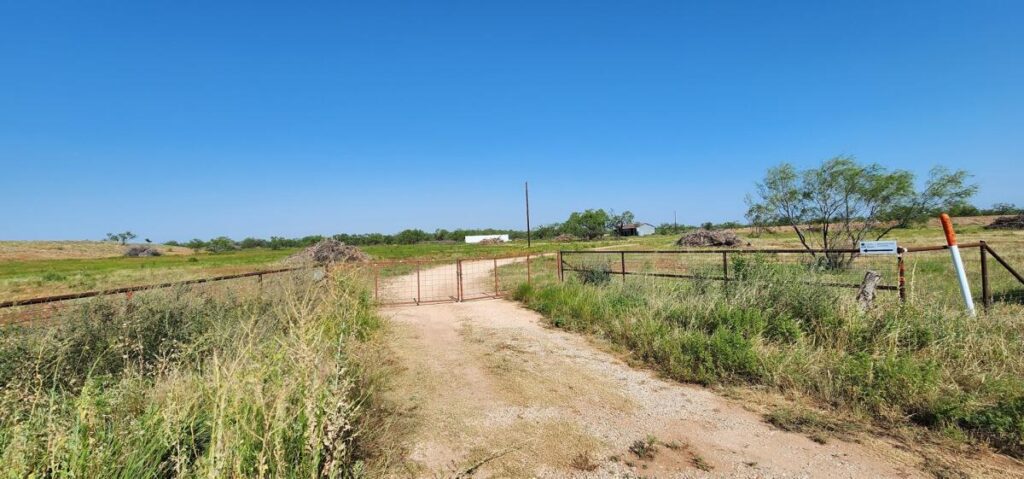
New Neighbor Says Ranch Road Should Be Shared—Landowner Strongly Disagrees, Adds Lock and Chain to Gate, and Lawyers Soon Get Involved
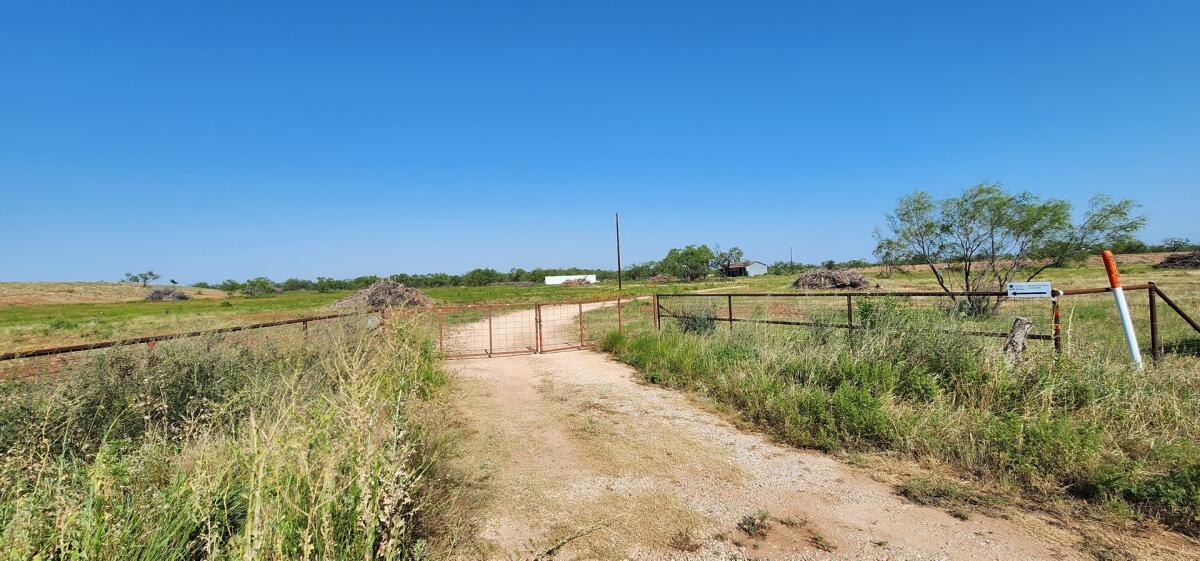
For one Texas landowner, what started as a polite conversation with a new neighbor reportedly turned into a legal headache after a disagreement over a ranch road quickly escalated into locked gates, angry phone calls, and eventually attorneys.
According to the landowner, the issue began shortly after neighboring property changed ownership. The new owner reportedly approached him about using an existing ranch road that crossed part of his property, explaining it offered the easiest access to sections of the newly purchased land.
At first, the request did not seem unreasonable.
The problem, according to the landowner, was that the road had never been shared.
A Longstanding Understanding Suddenly Changed
According to the landowner, the ranch road had existed for years and primarily served cattle operations, hunting access, and equipment movement on his side of the property. While previous neighbors occasionally crossed portions of the land with permission during emergencies or maintenance needs, the road had never functioned as a permanent shared access point.
The new neighbor reportedly saw things differently.
According to the landowner, the neighboring owner believed the road had historically been treated as common access and argued that prior informal use established an expectation that both sides should continue sharing it. As conversations grew more tense, frustration reportedly replaced neighborly introductions.
Then came the gate.
According to the landowner, after repeated disagreements, he installed a lock and chain to prevent what he considered unauthorized access.
Things Escalated Quickly
The locked gate reportedly changed the situation almost immediately.
According to the landowner, the new neighbor objected strongly, arguing the closure restricted reasonable access to portions of the property and created unnecessary hardship. Before long, letters from attorneys reportedly started arriving as both sides dug deeper into old records, property maps, and decades of local history.
At the center of the disagreement sat one key question:
Did the neighboring property have any legal right to use the road?
According to Texas real estate attorneys, disputes involving ranch roads often come down to deed language, historical easements, recorded agreements, and whether legal access rights were formally granted rather than assumed.
For both sides, uncertainty quickly became expensive.
Old Documents Finally Brought Clarity
According to the landowner, the situation eventually shifted after attorneys uncovered older title records tied to previous ownership.
While the neighbor reportedly believed the road qualified as long-standing shared access, documentation ultimately revealed a narrow recorded easement that had been overlooked during the property purchase. However, the easement reportedly applied only to utility maintenance and emergency access—not unrestricted daily use.
That discovery reportedly changed negotiations.
Rather than continue toward an expensive court fight, both sides eventually reached a compromise. According to the landowner, the neighbor agreed to improve a separate access entrance on his own property, while limited temporary road use remained available during the transition period.
The lock reportedly stayed.
The lawsuit never happened.
Rural Property Disputes Often Start Small
Across Texas, disagreements involving ranch roads, gates, and shared access happen more often than many landowners expect.
As larger ranches continue being divided and sold, longtime informal arrangements sometimes collide with new ownership expectations. A handshake agreement from twenty years ago may feel obvious to one side while meaning absolutely nothing to someone reading legal paperwork for the first time.
That reality explains why attorneys often recommend understanding recorded easements before buying rural land.
Because assumptions about access can become expensive quickly.
The Bottom Line
For one Texas landowner, a disagreement over whether a ranch road should be shared reportedly escalated after a new neighbor claimed access rights and the owner responded by placing a lock and chain across the gate.
What initially looked like the beginning of a long legal battle ultimately ended differently. After attorneys reviewed older records, both sides reportedly reached an agreement that avoided court and clarified who could use what moving forward.
The experience reportedly left behind a lesson many rural Texans understand well:
When it comes to ranch roads, assumptions matter far less than paperwork.