
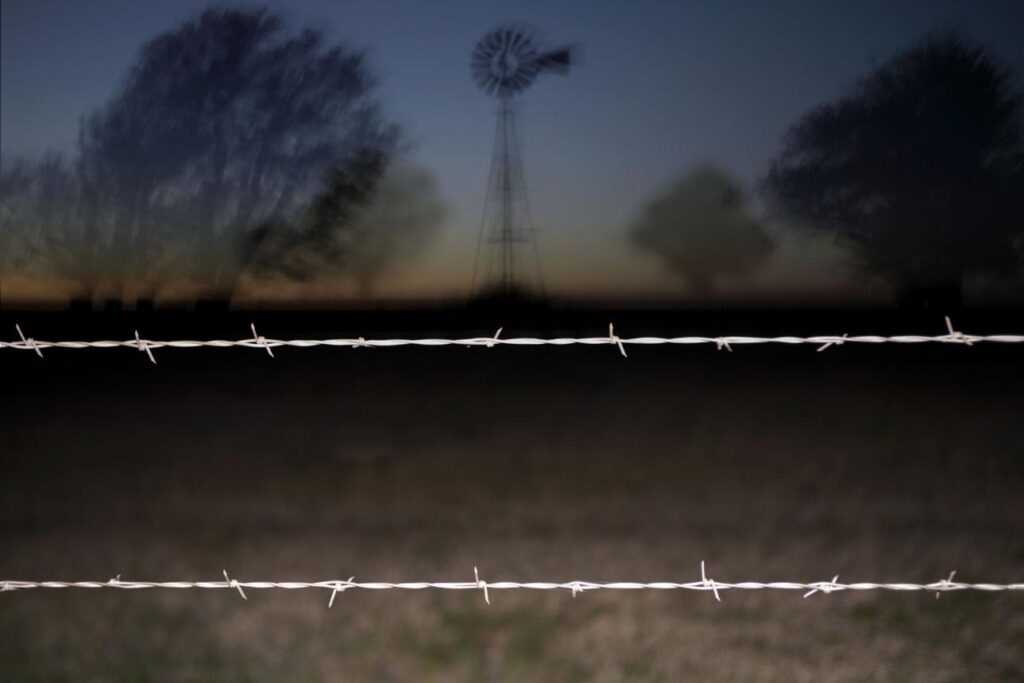
Nighttime Hog Hunt Ends in Trespassing Charges After Hunter Crosses Fence—Now Neighbors Are Fighting Over What Really Happened

What started as a routine nighttime hog hunt reportedly turned into a full-blown neighbor dispute after one Texas landowner accused another of crossing a fence line during the middle of the night and hunting on property where he did not have permission to be.
Now, what some initially described as a misunderstanding involving feral hogs has reportedly escalated into trespassing accusations, strained neighbor relations, and questions about what really happened after dark.
Because in rural Texas, fences often mean more than boundaries.
They mean ownership.
And crossing one at the wrong time—especially while armed—can quickly become serious.
A Nighttime Hog Hunt Reportedly Went Sideways
According to accounts surrounding the dispute, the situation began during a late-night feral hog hunt when a neighboring landowner allegedly crossed onto adjoining property after following hog movement near a fence line.
At first, the situation may not have seemed unusual.
Feral hogs rarely stay put. They move quickly, destroy crops, tear up pastures, and frequently cross multiple properties during the night. Hunters attempting to control hog populations often follow fresh rooting damage, sounders moving through fields, or thermal signatures appearing near fences.
But according to the neighboring property owner, the hunt reportedly crossed a line—literally.
The landowner later claimed a neighboring hunter crossed through or over a fence during nighttime hours without permission while pursuing hogs. By morning, tensions had reportedly escalated enough that law enforcement became involved and trespassing accusations followed.
The disagreement quickly shifted from hog control to property rights.
Why Fence Lines Matter So Much in Texas
To many rural landowners, crossing a fence without permission is rarely treated casually.
In Texas, private property rights carry enormous weight.
According to the Texas Parks and Wildlife Department, hunters must have permission before entering private property, even when pursuing game animals. Wildlife officials regularly remind hunters that wounded or moving animals crossing onto neighboring land does not automatically grant permission to follow.
That reality surprises some people.
A hog crossing a fence may seem harmless.
But legally, the moment a hunter crosses onto neighboring land without permission, the situation can become much more complicated.
Texas Game Wardens routinely investigate hunting-related trespassing complaints, especially during deer season and nighttime predator or hog hunting periods when visibility becomes limited and property boundaries may feel less obvious.
Nighttime Hunting Creates More Opportunity for Conflict
Part of what makes nighttime hog hunting different is how quickly situations can become confusing.
Thermal optics, night vision equipment, and moving animals create conditions where distance becomes harder to judge. Fence lines that seem obvious during daylight may disappear in darkness.
Add adrenaline, fast-moving hogs, and property lines running through brush or senderos, and mistakes can happen.
According to guidance from the Texas Parks and Wildlife Department, hunters are responsible for positively identifying where they are hunting and ensuring they remain on legal property at all times.
Wildlife officials repeatedly stress that nighttime hunting requires extra caution because confusion about boundaries becomes far more common after dark.
That caution matters.
Especially between neighbors.
Hog Hunting Already Creates Tension in Some Rural Areas
Feral hogs themselves often create strange dynamics between neighboring landowners.
According to the Texas A&M AgriLife Extension Service, Texas contains millions of feral hogs that cause widespread agricultural destruction each year, including damaged fences, ruined crops, torn-up pastures, and destroyed water systems.
Because hogs move across multiple properties, neighbors often cooperate to manage populations.
But not always.
Disagreements sometimes emerge over who can hunt where, who caused property damage, or whether one landowner’s hunting activity pushes hogs toward neighboring ranches.
Those frustrations sometimes build quietly for years before one incident suddenly brings everything to the surface.
In disputes like this, a fence crossing may represent more than a single mistake.
It may reopen old frustrations.
Was It Intentional—or Just a Mistake?
That question often becomes the center of these disputes.
Did the hunter knowingly cross onto neighboring land?
Or did he simply lose track of the boundary while following moving hogs during darkness?
Stories like this rarely stay simple.
According to Texas Game Wardens, many hunting-related trespassing complaints stem from misunderstandings involving unclear boundaries, changing lease agreements, unfamiliar guests, or simple confusion during hunts.
At the same time, landowners understandably take unauthorized access seriously.
Especially during nighttime hours.
An unfamiliar truck, distant gunshots, or movement near livestock or blinds can quickly trigger concern when somebody appears to be hunting property they do not own.
The Bottom Line
For one group of neighbors, what started as a nighttime hog hunt reportedly turned into a legal dispute after allegations surfaced that a fence crossing led to unauthorized hunting on neighboring land.
Whether the situation involved a simple mistake or intentional trespassing may ultimately depend on evidence, property boundaries, and the accounts of those involved.
But stories like this serve as a reminder many rural Texans already understand:
At night, fence lines matter even more.
Because when hunting moves onto somebody else’s property, neighbor relationships can change in a hurry.