

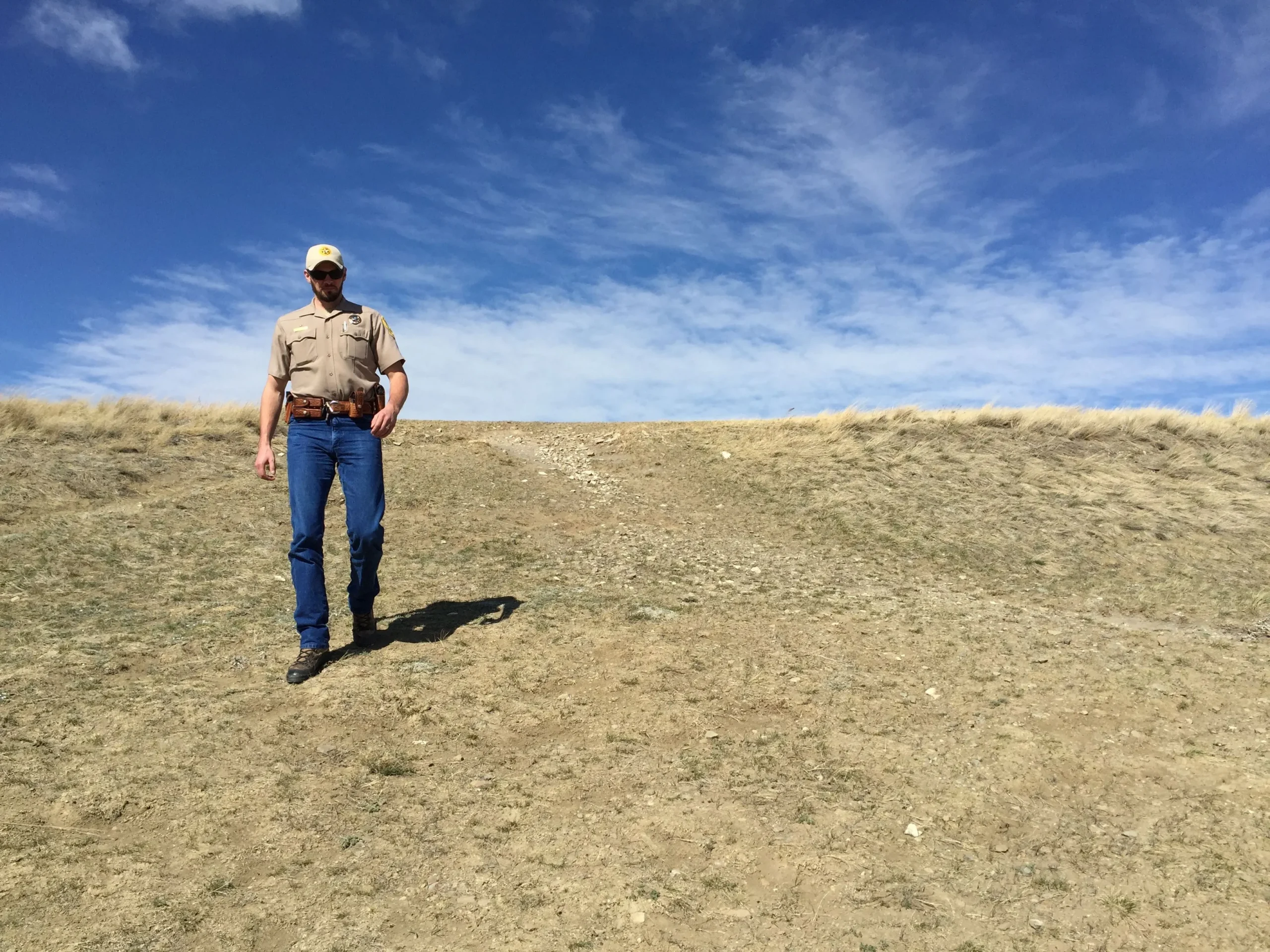
 Few legal doctrines spark as much debate among hunters and landowners as the Open Fields Doctrine. The concept is relatively simple but controversial: outside the immediate area surrounding a home, law enforcement officers—including wildlife officers—can enter private property without a warrant to investigate potential violations.
For many hunters and rural landowners, the rule often comes as a surprise. It isn’t widely discussed until someone encounters a conservation officer or game warden walking their land without permission.
Supporters argue the doctrine is essential for enforcing wildlife laws and stopping poaching. Critics counter that it undermines private property rights and allows government officials to search private land without the protections normally guaranteed under the Fourth Amendment to the United States Constitution.
The debate has been gaining momentum in recent years as property rights advocates push for changes to the policy.
What the Open Fields Doctrine Means
The Open Fields Doctrine comes from a series of court rulings that interpreted how the Fourth Amendment applies to private property.
The U.S. Supreme Court addressed the issue directly in Oliver v. United States, ruling that areas outside the “curtilage”—the immediate area surrounding a home—are not protected by the same privacy expectations as the home itself.
In practical terms, that means law enforcement officers can enter fields, woods, pastures, and other rural areas without a warrant if they are investigating possible crimes.
Earlier precedent was established in Hester v. United States, which first recognized that open land is different from the protected interior of a home.
Because hunting, fishing, and wildlife crimes often occur in remote outdoor areas, the doctrine has become particularly important for wildlife enforcement.
Why Wildlife Agencies Support It
Wildlife officers argue that enforcing conservation laws would be far more difficult without the ability to access open land.
According to the Association of Fish and Wildlife Agencies, conservation officers are responsible for enforcing regulations designed to protect wildlife populations and ensure fair hunting practices.
Poaching often occurs in remote areas where officers cannot easily obtain a warrant before investigating suspicious activity.
Supporters of the doctrine say requiring warrants for every investigation would make it easier for illegal hunting operations to avoid detection.
Many wildlife agencies also point out that officers typically patrol large rural areas with limited resources, making quick access to land essential for enforcement.
Why Landowners Object
While the doctrine may help wildlife enforcement, many landowners believe it comes at the expense of basic property rights.
Critics argue that the policy effectively treats private land like public land whenever an officer decides to enter it.
Property rights advocates say this undermines one of the most fundamental protections in American law: the idea that government officials must obtain a warrant before searching private property.
Organizations such as the Institute for Justice have argued in court that the Open Fields Doctrine allows warrantless searches that would not be permitted in other contexts.
For rural landowners who depend on privacy and control over their property, the doctrine often feels like an exception to the normal rules of search and seizure.
A Growing Legal Fight
In several states, lawmakers and property rights groups have begun pushing legislation to limit or overturn how the doctrine is applied.
Some proposed laws would require conservation officers to obtain a warrant before entering private land that is clearly marked or fenced.
Supporters of these reforms argue that requiring warrants would not prevent wildlife enforcement—it would simply ensure officers follow the same legal standards required of other law enforcement agencies.
Wildlife agencies, however, warn that such changes could significantly reduce their ability to investigate poaching.
The debate reflects a broader national conversation about how to balance conservation enforcement with constitutional protections.
Where the Debate Stands
For now, the Open Fields Doctrine remains firmly embedded in federal constitutional law. Courts continue to recognize it as a legal exception to the warrant requirement for searches conducted outside the immediate area of a home.
But public opinion on the issue is evolving.
As more hunters and landowners learn about the doctrine, many are beginning to question whether it aligns with modern expectations about privacy and property rights.
At the same time, wildlife officers maintain that effective enforcement depends on their ability to patrol remote landscapes where illegal hunting often occurs.
A Question of Freedom and Enforcement
At its core, the Open Fields debate forces Americans—especially rural landowners—to weigh two competing values.
On one side is the need to enforce conservation laws that protect wildlife and prevent poaching.
On the other is the belief that private land should remain private, even when law enforcement is investigating potential violations.
Whether the doctrine eventually changes or remains intact, the growing conversation around it shows that many people are beginning to ask an important question:
How much authority should the government have to enter private land without permission?
For hunters, landowners, and wildlife officers alike, that question is far from settled.