
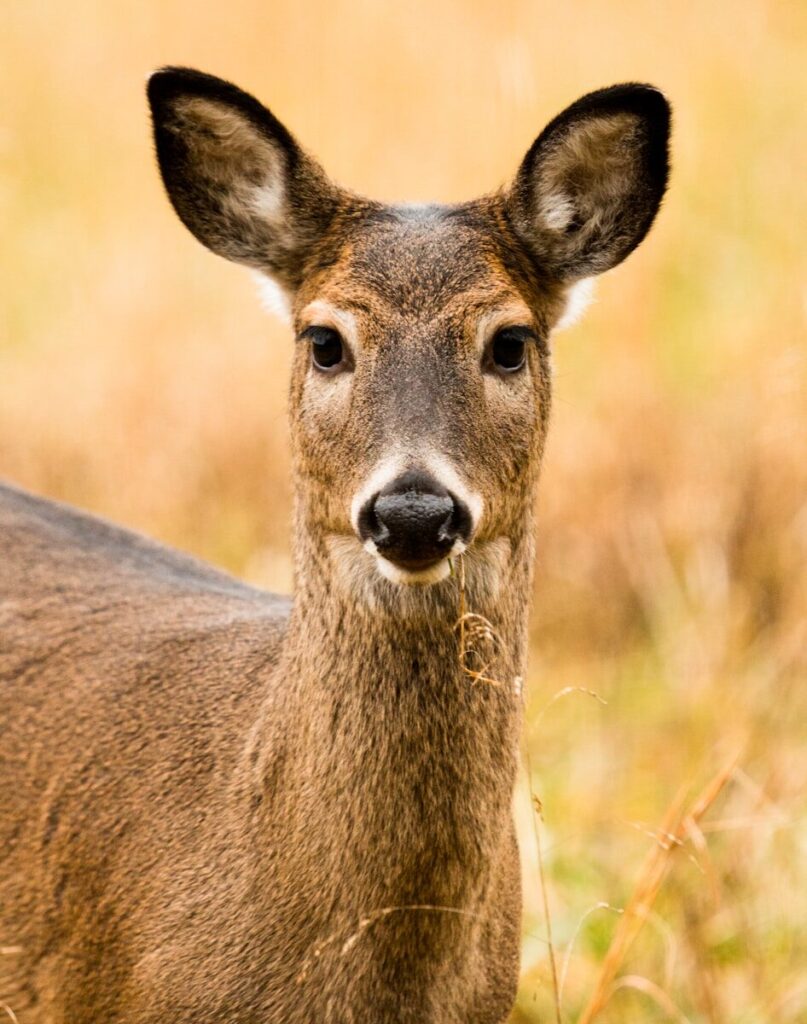
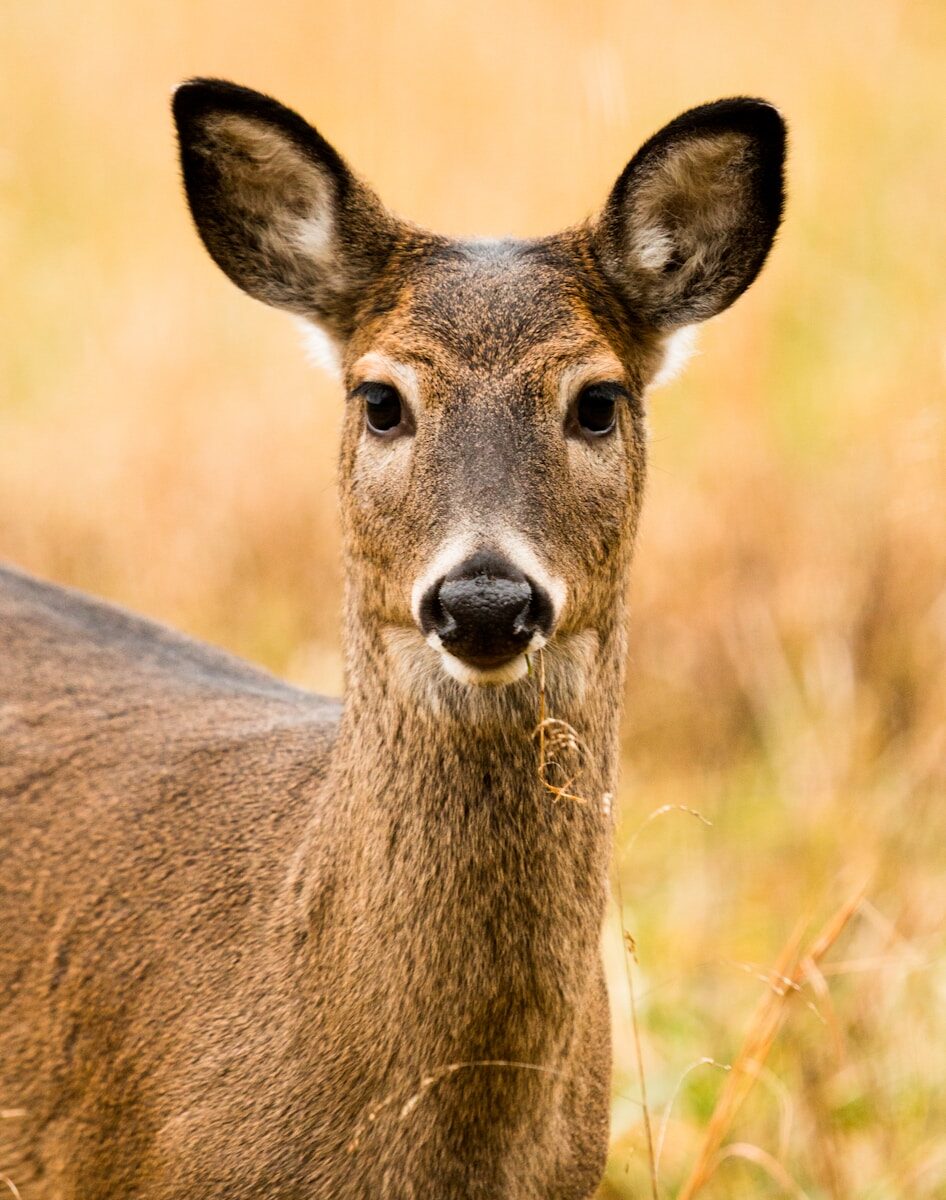
Authorities in Wisconsin have wrapped up what officials are calling one of the most disturbing wildlife crime investigations in recent memory. More than 100 deer were illegally killed across a roughly 200-square-mile area, with four suspects now facing a long list of criminal and resource violations.
The investigation, led by the Fond du Lac County Sheriff’s Office in coordination with the Wisconsin Department of Natural Resources, revealed a pattern of nighttime spotlighting, roadside shootings, and acts that Sheriff Ryan Waldschmidt described as senseless and reckless.
A Smell That Sparked an Investigation
The case began in mid-July 2024 with a call from a concerned resident. Sheriff Waldschmidt said a deputy responded to reports of a strong odor coming from garbage at a neighbor’s home.
Inside the trash, deputies discovered multiple rotting heads of bucks still in velvet. That discovery immediately raised red flags and prompted the sheriff’s office to contact conservation wardens with the DNR.
What followed was months of investigative work, totaling hundreds of combined hours between agencies.
A Nighttime Pattern of Destruction
Investigators determined that the poaching occurred from spring 2023 through July 2024. A 36-year-old woman from Campbellsport, Wisconsin, along with three 16-year-old males from the same community, were identified as the primary suspects.
According to authorities, the group drove rural roads at night, shining artificial light into fields to locate deer. When deer were spotted, they allegedly fired rifles from inside their vehicle. If an animal was hit, they would enter the field to inspect it.
Most of the deer were left where they fell to rot. If the deer was a buck with sizable antlers, the head was removed while the carcass remained in the field. Investigators believe a number of deer were wounded but never recovered.
Officials also reported that the suspects intentionally drove in ways meant to strike deer along roadways. In one documented incident, a severely injured deer was placed in the trunk of a vehicle while juveniles recorded video footage. Authorities say the group drove around for hours with the wounded animal before bringing it into a residence, where it eventually died.
Beyond Deer: Other Wildlife Targeted
The investigation revealed that deer were not the only victims. Geese, raccoons, opossums, turtles, and other wildlife were allegedly captured, harassed, and sometimes held in captivity before being released.
In spring 2024, the suspects reportedly took a newborn fawn from the wild, transported it in a vehicle, and brought it into a residence before later releasing it.
Officials say these actions represent a blatant disregard not only for wildlife laws but for the ethical foundations of hunting and conservation.
Long List of Charges Filed
The suspects now face numerous criminal and resource violations. Charges include mistreating animals resulting in death, hunting deer with artificial light, hunting during a closed season, possession of a firearm while shining, discharging a firearm from or across a roadway, and possession of game taken by unlawful means.
Additional violations include transporting loaded firearms in a moving vehicle, obstructing a conservation warden, depositing waste on property, and unauthorized taking of live wildlife from the wild.
Authorities emphasized that these charges reflect both public safety concerns and serious conservation violations.
A Blow to Wisconsin’s Hunting Heritage
Sheriff Waldschmidt, himself a deer hunter, said solving the case was important to him both professionally and personally. He described the acts as indiscriminate and deeply troubling.
“Wildlife and hunting are a deep part of Wisconsin’s heritage and history,” Waldschmidt said. “The horrific acts committed against these animals will shock the conscience of hunters and non-hunters alike.”
Legal hunting plays a critical role in wildlife management across the state. Conservation programs funded by licenses and responsible harvest help maintain balanced populations and healthy ecosystems. Cases like this undermine those efforts and damage public trust.
The Role of Community Vigilance
Officials credited the investigation’s success to the observant citizen who made the initial call. Without that report about the suspicious odor, the case may have continued unnoticed.
Law enforcement officials are encouraging residents to report suspicious activity related to wildlife. Conservation crimes often rely on tips from members of the public who notice something out of place.
Accountability Ahead
The suspects will now face court proceedings where the evidence gathered over more than a year will be presented. If convicted, penalties could include fines, restitution, loss of hunting privileges, and potential jail time.
Beyond the legal consequences, the case has left a mark on the local community. For many Wisconsin residents, deer season is not just a pastime—it’s tradition, family history, and stewardship of the land.
The scale of this poaching operation shocked even seasoned investigators. More than 100 deer lost. Countless others wounded. A reminder that wildlife protection depends on enforcement, ethics, and everyday citizens willing to speak up.
As the case moves forward, authorities say the message is clear: reckless and unlawful treatment of wildlife will be investigated, and those responsible will be held accountable.