
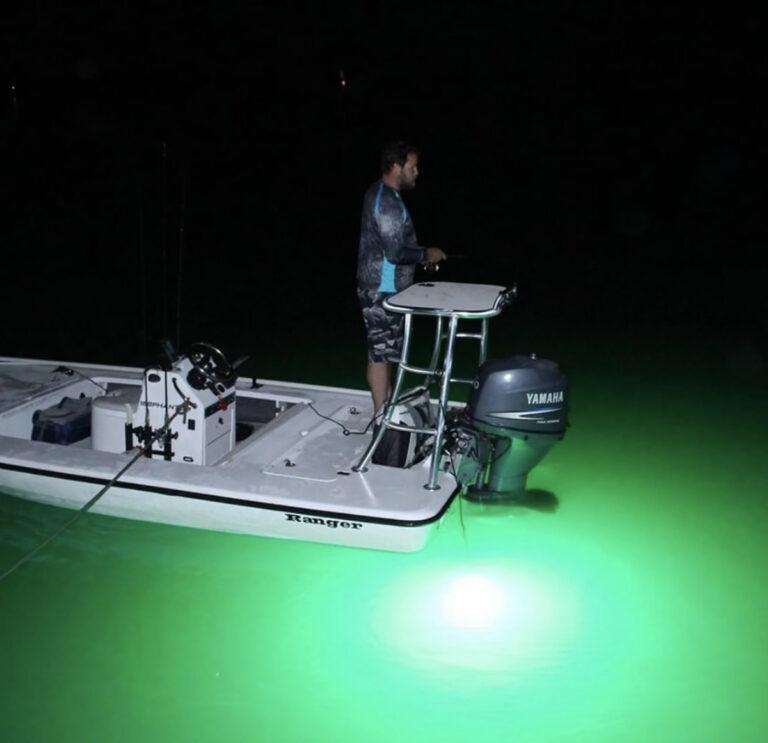
Serious Bass Fishermen Are Quietly Fishing at Night in Summer—And Catching Bigger Fish Because of It

When summer heat settles in and most recreational anglers head off the water by lunchtime, a different group of fishermen is just getting started.
They launch boats after sunset. They rig rods under headlamps. And while most people are asleep, they quietly fish through the darkest hours of the night chasing something summer bass anglers understand well:
Big fish move differently after dark.
For many serious bass fishermen, nighttime fishing is not simply about avoiding heat. It is a strategy that consistently produces larger fish during the toughest months of the year.
While weekend anglers often struggle through blazing afternoons wondering why the bite disappeared, experienced summer fishermen know something important happens when the sun goes down.
The lake changes.
And so do the bass.
Why Bass Become More Active After Dark
Summer can be one of the toughest times of year to consistently catch quality bass during daylight hours. Rising water temperatures often push fish into deeper structure, heavy cover, or low-oxygen zones where feeding activity becomes less predictable.
According to the Texas Parks and Wildlife Department, largemouth bass frequently alter feeding behavior during periods of extreme summer heat, becoming most active during lower-light periods such as dawn, dusk, and nighttime.
For serious anglers, this shift creates opportunity.
When temperatures begin falling after sunset, baitfish often become more active near points, grass lines, rocky banks, docks, and shallow flats. Bass that spent much of the day conserving energy in deeper water often slide shallower to hunt.
That movement is one reason experienced summer fishermen quietly prefer nighttime trips.
The odds of encountering larger feeding fish often improve dramatically.
Big Bass Feel More Comfortable at Night
One thing many experienced anglers believe is simple:
Big bass did not get big by making mistakes.
Older fish tend to be cautious. Boat traffic, jet skis, shoreline activity, bright sun, and fishing pressure can make mature bass far less aggressive during daylight hours.
Night changes that equation.
According to fisheries biologists referenced by the Bassmaster, larger bass frequently become more confident feeders after dark because reduced visibility lowers perceived risk. In heavily pressured lakes, mature fish often move into shallower feeding areas at night where they feel safer ambushing prey.
That is why some tournament fishermen quietly spend summer nights targeting areas that feel completely dead during the day.
A shallow rocky bank that produces nothing in bright sunlight can suddenly come alive at midnight.
Summer Night Fishing Favors Big Baits
One major difference with nighttime bass fishing is lure selection.
Many experienced anglers simplify things after dark and lean heavily on baits that create vibration, noise, or strong silhouettes in low visibility conditions. According to professional anglers interviewed through Major League Fishing, dark-colored spinnerbaits, oversized worms, black jigs, buzzbaits, wake baits, and large topwater presentations often outperform subtle finesse tactics once the sun disappears.
The reason is fairly simple.
Bass rely less on sight and more on vibration and lateral line detection during darkness. Bigger profiles often help fish locate targets more easily.
That is also why night strikes can feel violent.
A bass tracking movement through darkness often commits hard.
Topwater at Night Can Be Addictive
Ask experienced night fishermen about the best part of bass fishing after dark, and many immediately mention topwater.
Few things compare to hearing—not seeing—a large bass explode on a bait beside the boat in complete darkness.
The anticipation alone changes the experience.
Every cast feels uncertain. Every ripple raises attention. Every sudden explosion sends adrenaline through the boat.
According to anglers featured by Bassmaster, nighttime topwater fishing often becomes especially productive during summer because bass actively patrol shallower water under low-light conditions.
For many fishermen, one good night bite becomes enough to change how they fish summer forever.
Lakes Fish Completely Differently at Night
Summer lakes often become crowded, noisy, and pressured during daylight.
Jet skis run shoreline points. Wake boats churn shallow water. Recreational traffic pushes fish deeper and changes behavior.
At night, that pressure largely disappears.
The same dock ignored all afternoon suddenly feels alive. Points become feeding zones. Creek mouths begin producing movement.
According to the Texas Parks and Wildlife Department, nighttime fishing during hot weather can often improve success because fish experience less disturbance and more stable conditions.
For serious fishermen, the difference can feel dramatic.
Some anglers quietly admit they stop fishing daytime summer bass almost entirely.
Safety Matters More After Dark
Night fishing may improve opportunities, but experienced anglers stress preparation matters.
Navigation becomes harder.
Floating debris becomes harder to spot.
Landmarks disappear.
According to boating safety recommendations from the U.S. Coast Guard, anglers fishing after dark should carry navigation lights, life jackets, communication devices, backup flashlights, and maintain slower travel speeds in unfamiliar water.
Most serious nighttime anglers also recommend learning lakes thoroughly during daylight before trying to run them in darkness.
Because while nighttime fishing can be productive, mistakes become far easier after sunset.
The Bottom Line
When summer heat makes daytime bass fishing frustrating, many serious anglers quietly shift their schedules instead of giving up.
They wait until sunset.
They fish while the lake grows quiet.
And they target bass when larger fish often feel safest moving shallow to feed.
That is why many experienced fishermen believe some of the biggest bass of summer are not caught under blazing sun.
They are caught while most people are asleep.