

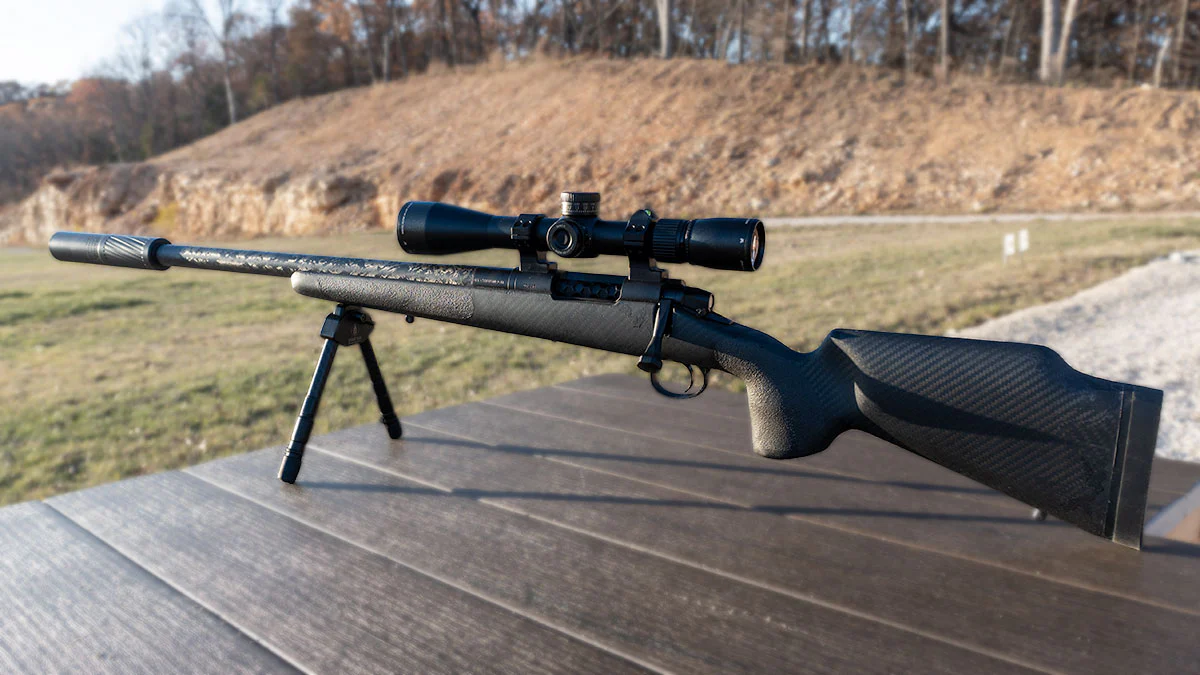
 The debate over firearm suppressors—often called “silencers”—has become an increasingly visible issue in the broader national conversation about gun laws and Second Amendment rights. Advocates argue suppressors are safety tools that protect hearing and reduce noise pollution, while critics say loosening regulations could raise public safety concerns.
Currently, suppressors are legal to own in most U.S. states but remain heavily regulated under federal law. Anyone who wants to purchase one must go through a lengthy approval process that includes background checks, fingerprinting, and registration with federal authorities, According to the federal Bureau of Alcohol, Tobacco, Firearms and Explosives (ATF), suppressors are regulated under the National Firearms Act of 1934, which was originally designed to control certain firearms and accessories during the Prohibition era.
As lawmakers and advocacy groups debate whether these rules should change, suppressors have become a focal point in the ongoing clash between gun-rights advocates and gun-control supporters.
What Suppressors Actually Do
Despite their portrayal in movies, suppressors do not make firearms silent. Instead, they reduce the noise created when a gun is fired by slowing and cooling expanding gases leaving the barrel.
According to firearm safety experts cited by the National Shooting Sports Foundation, most suppressors reduce gunshot noise by roughly 20 to 35 decibels. While this reduction is significant, suppressed gunfire is still loud enough to be heard at considerable distances.
For comparison, a typical rifle shot can exceed 160 decibels—well above the threshold that can cause immediate hearing damage. The National Institute on Deafness and Other Communication Disorders notes that exposure to sounds above 140 decibels can permanently damage hearing.
Supporters say suppressors help reduce that risk for hunters and recreational shooters who may not always wear hearing protection in the field.
Why Supporters Want Deregulation
Gun-rights groups and many hunting organizations argue that suppressors should be treated as ordinary firearm accessories rather than highly regulated items.
The American Suppressor Association states that suppressors are widely used in many European countries where hunting is common, often with far fewer restrictions than in the United States. In several countries, suppressors are encouraged as a way to reduce noise complaints and prevent hearing damage among hunters.
Advocates also argue that the current federal approval process—which can take several months or longer—creates unnecessary barriers for lawful gun owners.
Some lawmakers have introduced legislation in Congress that would remove suppressors from the National Firearms Act and regulate them in the same way as standard firearms. Supporters say this would streamline the process while still maintaining background checks.
Concerns Raised by Critics
Opponents of deregulating suppressors argue that loosening federal restrictions could create risks for law enforcement and public safety.
Gun-control organizations warn that suppressors can make it harder for people nearby to identify the location of gunfire. Groups like Everytown for Gun Safety have argued that the devices could potentially be used to make shootings more difficult to detect or respond to quickly.
Critics also say suppressors could complicate police investigations if gunshots become less noticeable to witnesses.
However, federal crime statistics suggest suppressors are rarely used in violent crimes. According to ATF enforcement data cited by the Congressional Research Service, criminal use of legally owned suppressors has historically been extremely uncommon.
How Many Suppressors Are Already in Civilian Hands
Suppressor ownership has grown significantly in recent years. ATF registration records show that millions of suppressors are currently registered to civilians in the United States.
The Congressional Research Service reported that suppressor registrations increased dramatically over the past decade as more hunters and recreational shooters began using them to reduce firearm noise and recoil.
Supporters say this growth reflects the increasing popularity of suppressors as safety equipment rather than tools associated with criminal activity.
The Legislative Battle in Congress
The push to deregulate suppressors has appeared in multiple pieces of federal legislation over the past decade. One of the most prominent proposals is the Hearing Protection Act, which would remove suppressors from the National Firearms Act and treat them like ordinary firearms under federal law.
Supporters argue the bill would make it easier for hunters and sport shooters to access equipment designed to reduce hearing damage.
Opponents say removing suppressors from federal regulation could weaken oversight and potentially increase misuse.
Although the legislation has been introduced several times in Congress, it has not yet passed both chambers.
A Debate That Reflects the Broader Gun Policy Divide
The suppressor debate highlights the larger divide in American gun policy discussions. Supporters frame the issue around hearing protection, firearm safety, and regulatory reform. Critics view the devices through the lens of public safety and crime prevention.
As suppressor ownership continues to rise and lawmakers revisit federal firearms regulations, the debate over whether these devices should remain heavily regulated—or be treated like standard firearm accessories—is likely to remain part of the national conversation.
Whether Congress ultimately moves toward deregulation or maintains the current framework, the outcome could shape firearm policy and hunting practices for years to come.