
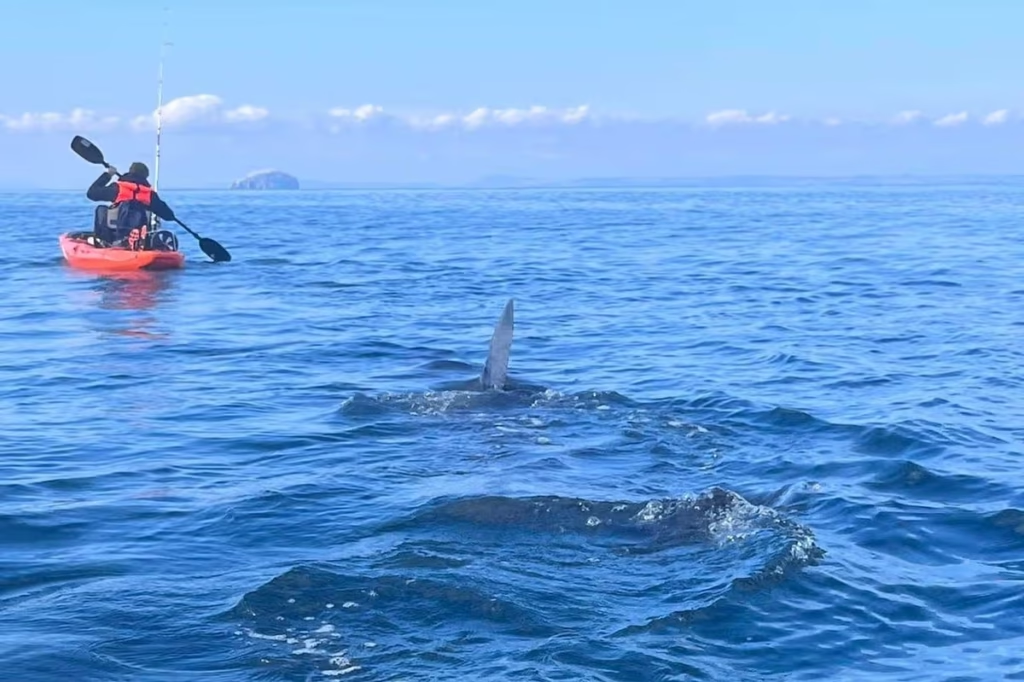
Surrounded in Open Water: Fishing Kayaker Says Shark Began Circling His Boat

What started as a quiet day on the water quickly turned into a tense encounter when a fishing kayaker found himself being circled by a shark.
The incident, which unfolded offshore in open water, is another reminder that when you’re fishing from a kayak, you’re not just part of the environment—you’re fully in it.
A Calm Morning Turns Uncomfortable
According to the angler, conditions were ideal. Calm seas, good visibility, and steady fishing made for what seemed like a routine trip.
That changed the moment he noticed movement beneath the surface.
“At first, it was just a shadow,” he said. “Then it came back around—and that’s when I realized it was a shark.”
What made the situation more intense wasn’t just the presence of the animal—it was its behavior.
It didn’t pass through.
It stayed.
The Circle Begins
Sharks are known for investigative behavior, especially when something in the water catches their attention. A kayak—small, low to the surface, and often surrounded by bait or struggling fish—can trigger curiosity.
In this case, the shark began circling.
Wide loops at first. Then tighter.
For someone sitting just inches above the waterline, there’s no barrier, no distance—just a thin layer of plastic between you and whatever is below.
“It kept coming back,” the angler said. “That’s when it gets real.”
Why Sharks Do This
Encounters like this aren’t as rare as many people think, especially in areas where kayak fishing is popular.
Sharks are attracted to:
- Vibrations from hooked fish
- Blood or scent in the water
- Erratic movement that signals potential prey
A kayak angler fighting a fish can unknowingly create all three.
Most of the time, sharks are simply investigating. But their size, power, and proximity make even a curious approach feel threatening.
Staying Calm in Close Quarters
In situations like this, panic can make things worse.
Experienced kayak anglers know that sudden movements, splashing, or trying to rush away can increase attention from a shark.
Instead, the best approach is controlled and deliberate:
- Keep movements steady
- Avoid dragging fish in the water
- Be prepared to cut your line if necessary
The angler in this situation did exactly that—remaining calm and keeping his kayak stable while monitoring the shark’s behavior.
When Curiosity Fades
After several minutes of circling, the shark eventually lost interest and moved off.
No contact. No aggression. Just a close encounter that could have gone differently under the wrong circumstances.
But the experience left a lasting impression.
“You respect it after that,” he said. “You realize how small you really are out there.”
The Reality of Kayak Fishing Offshore
Kayak fishing offers a level of connection to the water that larger boats simply can’t match. You’re closer to the action, more mobile, and often more in tune with your surroundings.
But that closeness comes with trade-offs.
You’re also more exposed.
Encounters with sharks, large fish, and other marine life are part of the experience—especially in offshore environments where predators are active.
For many anglers, that’s part of the appeal.
For others, it’s a reminder to stay prepared.
The Bottom Line
A shark circling a kayak might sound like something out of a movie—but for offshore anglers, it’s a real possibility.
Most encounters end without incident. Sharks are rarely interested in humans as prey.
But moments like this highlight the reality of fishing in open water:
You’re not at the top of the food chain.
You’re just another presence in a much bigger world.
And sometimes, something notices.