
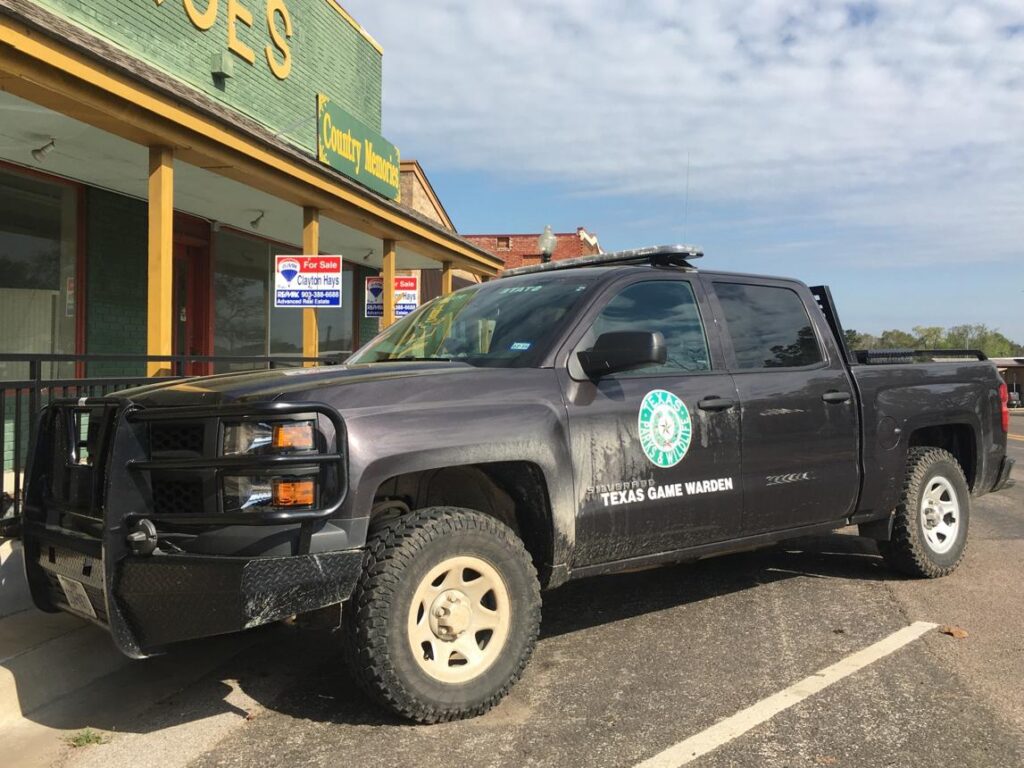
Texas Game Wardens Investigating Alleged Poaching Ring Has Hunters Asking How Long It Was Going On

A growing wildlife investigation in Texas has hunters across multiple counties paying close attention after reports surfaced that game wardens may be looking into what some believe could involve organized poaching activity stretching across rural parts of the state.
For hunters who spend time and money managing habitat, protecting wildlife, and following seasons carefully, the possibility of illegal hunting activity strikes a nerve quickly.
Because poaching, according to many outdoorsmen, feels different than ordinary game violations.
It feels personal.
According to reports circulating through Texas outdoor communities and statements tied to ongoing enforcement efforts, wardens have reportedly been investigating suspicious activity involving illegally taken wildlife in parts of Central Texas. While officials have released limited details publicly, conversations surrounding the case have already sparked frustration among hunters who worry years of wildlife management can be damaged quickly by a handful of people ignoring the rules. (tpwd.texas.gov)
For many landowners, one question surfaced almost immediately:
How long had it been happening?
Why Poaching Creates So Much Anger Among Hunters
Few issues unite hunters faster than outrage over poaching.
Across Texas, legal hunting depends heavily on seasons, tag requirements, weapon restrictions, landowner permission, and wildlife management practices designed to sustain healthy populations. Most hunters willingly follow those rules because they understand healthy deer, turkey, dove, and waterfowl populations depend on restraint and conservation.
Poaching ignores all of that.
According to the Texas Parks and Wildlife Department, common wildlife crimes include spotlighting deer at night, trespassing to hunt private land, taking animals out of season, exceeding bag limits, and killing trophy animals without proper reporting or authorization. In some cases, investigators also encounter organized activity involving multiple people working together to transport or conceal illegally harvested game. (tpwd.texas.gov)
For ranchers and wildlife managers, those violations carry consequences beyond one animal.
A mature buck harvested illegally might represent years of habitat improvement, predator management, and careful harvest decisions. For landowners managing genetics and herd balance, illegal hunting can undo work stretching across generations.
That reality partly explains why hunters often react strongly when large investigations emerge.
Investigators Reportedly Started Seeing Patterns
According to information discussed among local hunting communities, suspicion surrounding the current case reportedly began after unusual reports surfaced across multiple properties.
Landowners allegedly reported hearing late-night gunshots, spotting suspicious vehicle activity near ranch roads, and noticing unusual deer carcass remains left behind. Some property owners reportedly began finding gates open, damaged fencing, or signs of vehicles crossing areas without permission.
In many cases, individual incidents may seem unrelated.
But experienced game wardens often start paying closer attention when patterns begin repeating.
According to Texas Parks and Wildlife, game wardens routinely work with landowners, trail camera evidence, tips from hunters, and forensic investigations to identify illegal hunting activity. Modern investigations increasingly involve surveillance footage, GPS information, social media activity, ballistic evidence, and cooperation between counties. (tpwd.texas.gov)
For many Texas hunters, that detail matters.
Because poachers often assume nobody is watching.
Texas Hunters Say Trail Cameras Changed Everything
Years ago, proving illegal activity on large ranches could feel nearly impossible.
Today, trail cameras quietly sit across thousands of properties recording movement people never realize they triggered. According to many ranchers, suspicious vehicles, trespassers, and nighttime activity increasingly show up on cameras originally placed for deer management.
Hunters frequently joke that trail cameras probably catch more people than bucks these days.
Sometimes that turns serious.
Texas Parks and Wildlife encourages hunters and landowners to report suspicious activity through Operation Game Thief, an anonymous reporting system designed to help wildlife officers investigate illegal hunting and poaching activity. Officials say many successful cases begin with ordinary hunters noticing something simply does not look right. (tpwd.texas.gov)
That partnership often becomes critical.
Especially across rural counties where thousands of acres make constant enforcement difficult.
Most Hunters Want Accountability
While details surrounding the investigation remain limited, reactions among many Texas hunters reportedly sound similar.
Most people simply want accountability.
Legal hunters understand wildlife belongs to everyone, which means poaching damages more than individual ranches. It affects neighboring properties, local herd quality, future hunting opportunities, and trust within outdoor communities built around stewardship.
Many hunters also recognize something else.
Cases involving organized poaching rarely stop on their own.
If illegal activity continues long enough, someone eventually notices.
Especially in Texas.
The Bottom Line
Reports of a growing Texas poaching investigation have many hunters watching closely after allegations surfaced involving suspicious hunting activity across multiple properties.
While officials continue releasing limited information, the story already highlights something many outdoorsmen strongly believe:
Most hunters will defend wildlife conservation just as fiercely as they defend hunting itself.
Because following the rules is part of what keeps the tradition worth protecting.