
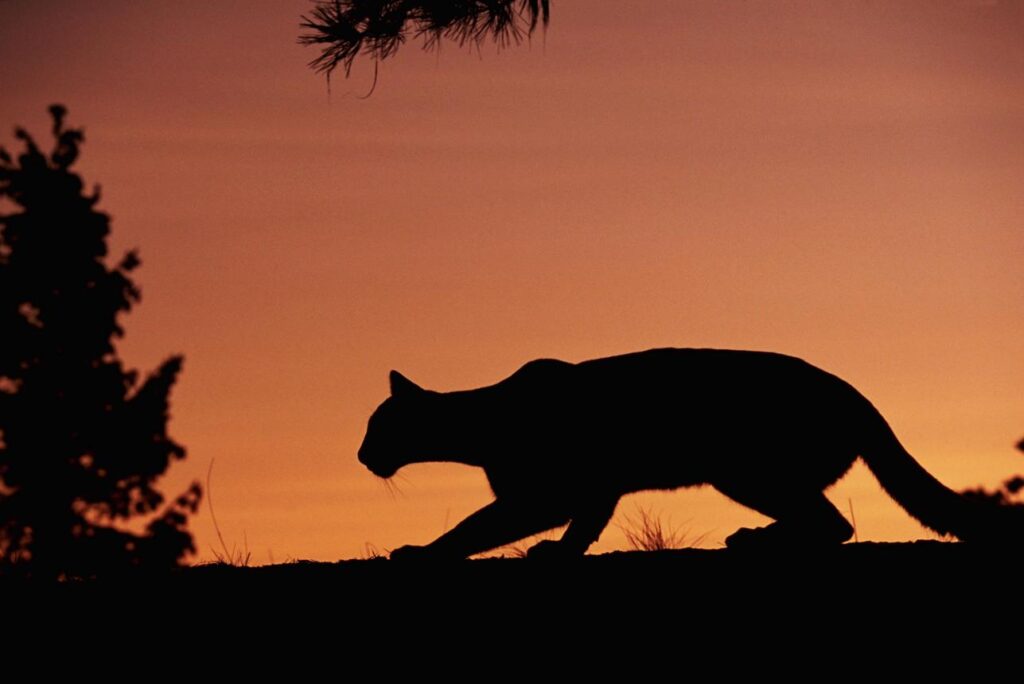
Texas Stands Alone on Mountain Lion Reporting After State Withdraws Proposed Rule
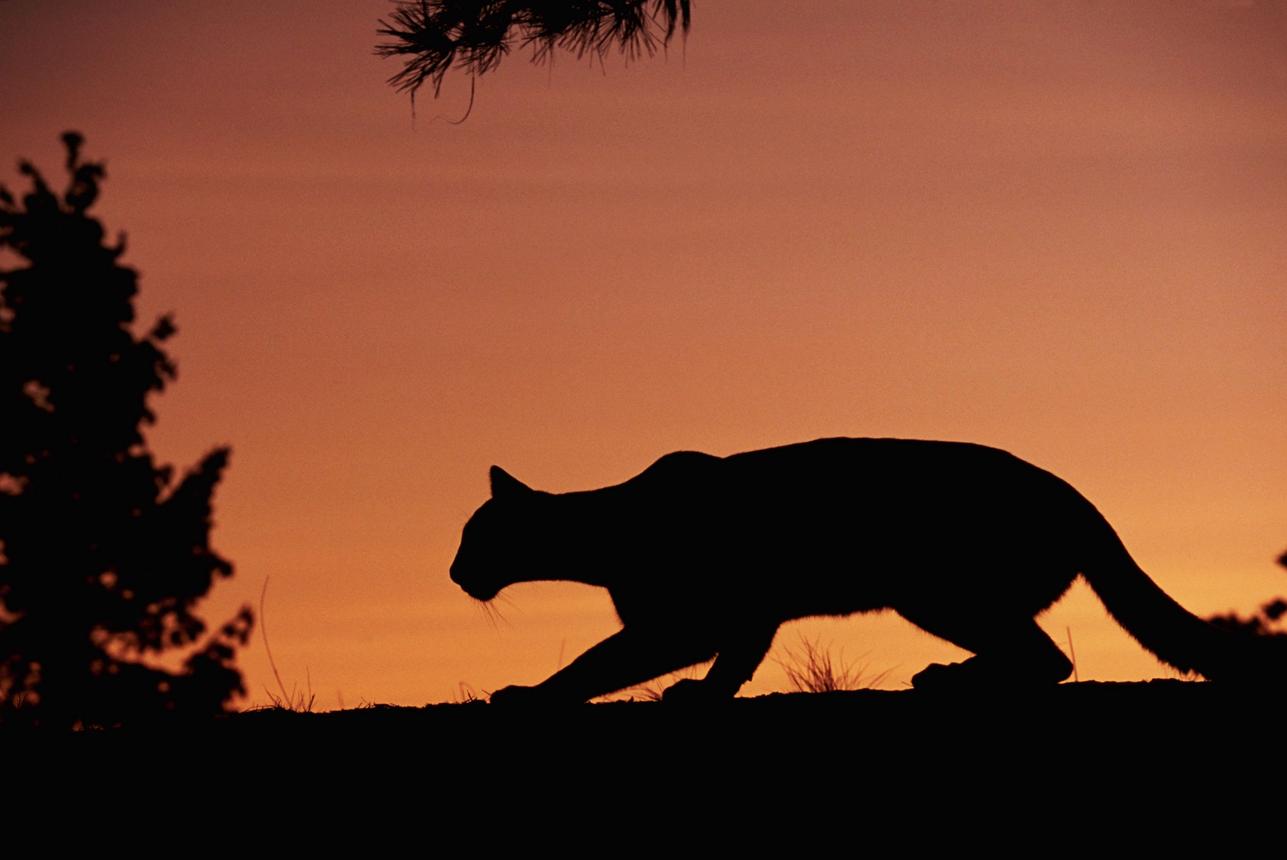
Texas hunters will not be required to report harvested mountain lions after all.
Following months of debate, public comments, and growing controversy among hunters, ranchers, and conservation groups, the Texas Parks and Wildlife Commission ultimately withdrew a proposal that would have created mandatory reporting requirements for harvested mountain lions. The decision means Texas remains the only state with established breeding mountain lion populations that does not require mandatory harvest reporting, according to wildlife officials and reporting from the Houston Chronicle.
The withdrawal immediately sparked mixed reactions across the hunting and conservation community. Some hunters viewed the decision as a victory for private property rights and predator management, while others argued the state missed an opportunity to collect valuable scientific data on one of Texas’ least understood predators.
What the Proposal Would Have Changed
The proposed regulation itself was relatively narrow in scope and would not have changed when or where Texans could hunt mountain lions.
According to the Texas Parks and Wildlife Department, the rule would have required hunters and trappers to report harvested mountain lions through the agency’s online system or mobile app within 24 hours. Hunters also would have been required to submit a premolar tooth and tissue sample so wildlife biologists could gather basic information about the age, sex, and geographic distribution of harvested animals. Texas Parks and Wildlife officials repeatedly emphasized during public discussions that the proposal did not include bag limits, seasons, or restrictions on harvest, and mountain lions would have remained classified as nongame animals under existing Texas law.
Officials with the Texas Parks and Wildlife Department explained that the proposal was intended to support the agency’s Texas Mountain Lion Research and Monitoring Plan, a long-term effort aimed at better understanding mountain lion populations, movement patterns, and mortality rates across the state. According to TPWD biologists, one of the biggest challenges facing mountain lion management in Texas is the lack of reliable harvest data because reporting currently remains voluntary.
Why Wildlife Officials Wanted Better Data
Unlike deer, turkey, or other heavily studied game species, mountain lions remain difficult to monitor.
According to the Texas Parks and Wildlife Department, there is currently no reliable statewide estimate for Texas mountain lion numbers because the animals travel across enormous territories, avoid human contact, and are difficult to observe consistently. Wildlife managers often rely on mortality information—including hunter harvest data—to better understand population health and long-term trends.
Jonah Evans, who leads the Nongame and Rare Species Program for Texas Parks and Wildlife, previously explained that mandatory reporting would help biologists understand not only where lions are being harvested but also whether population trends are changing over time. According to Evans, wildlife agencies in nearly every western state with breeding mountain lion populations rely on mandatory reporting systems as one of their primary management tools.
The Houston Chronicle reported that wildlife officials viewed harvest reporting as a practical first step toward improving scientific understanding without limiting hunter opportunity.
Why Some Hunters Strongly Opposed the Rule
Despite assurances from wildlife officials, opposition to the proposal remained strong in some parts of rural Texas.
Many ranchers and predator hunters expressed concerns that mandatory reporting represented the first step toward future hunting restrictions. Critics argued that while the proposal itself focused only on data collection, mandatory reporting could eventually lead to harvest quotas, closed seasons, or stricter predator regulations.
For many rural Texans, mountain lions are viewed less through a conservation lens and more as predators that occasionally threaten livestock, exotic game operations, pets, and wildlife populations.
According to reporting from the Houston Chronicle, some opponents feared the state was slowly moving toward management systems used in western states where mountain lion hunting is more heavily regulated. Jeremy Harrison, founder of the West Texas Big Bobcat Contest, publicly criticized the proposal and described its withdrawal as a positive outcome for hunters and landowners concerned about government overreach.
That concern resonated with many landowners who believe predator management decisions should remain largely in private hands.
Public Support Told a Different Story
Interestingly, public feedback surrounding the proposal suggested Texans may not have been as divided as many expected.
According to reporting from the Houston Chronicle, roughly 67 percent of public comments submitted to Texas Parks and Wildlife supported mandatory mountain lion reporting. Supporters argued that better science benefits everyone, including hunters, because stronger population data helps wildlife managers make informed decisions before problems emerge.
Groups such as Texans for Mountain Lions also supported the proposal, arguing that Texas cannot responsibly manage a species if the state lacks even basic information about harvest numbers and regional population trends.
Supporters frequently pointed out that mandatory reporting exists in nearly every other state with mountain lions and argued the requirement would have created only a minor inconvenience for hunters.
Texas Wildlife Officials Say the Debate Is Not Over
Although the proposal was ultimately withdrawn, Texas Parks and Wildlife officials have made clear the issue is far from settled.
According to reporting from the Houston Chronicle, Texas Parks and Wildlife Commission Chairman Paul Foster directed agency staff to continue working with hunters, ranchers, conservation organizations, and landowners before revisiting the issue in the future. Foster reportedly acknowledged strong public interest and emphasized that successful wildlife management in Texas depends heavily on trust and cooperation between the state and private landowners.
That means the debate surrounding mountain lion management is likely far from over.
The Bottom Line
Texas remains the only state with breeding mountain lion populations that does not require mandatory harvest reporting after state officials withdrew a proposal that would have required hunters to report harvested lions and submit biological samples.
According to the Texas Parks and Wildlife Department, the proposal was designed to improve scientific understanding of mountain lion populations rather than limit hunting opportunity. However, opponents argued that reporting requirements could eventually open the door to broader regulations, a concern that ultimately helped fuel resistance.
For now, nothing changes for Texas hunters.
But the larger debate over how—or whether—the state should manage mountain lions is clearly still unfolding.