
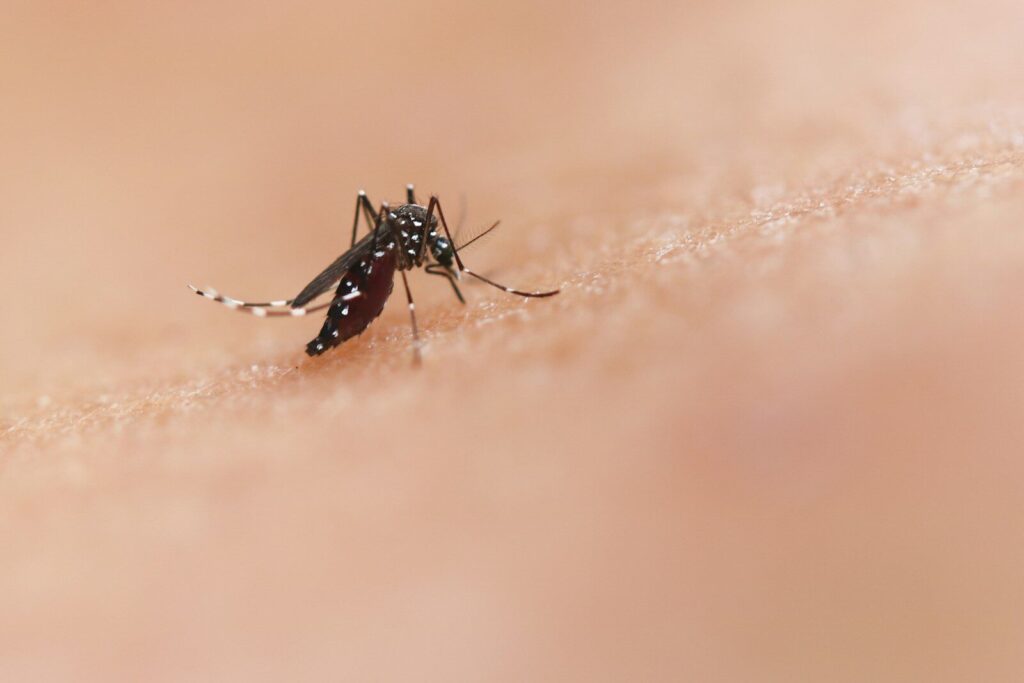
The Most Dangerous Animal in North America Might Surprise You
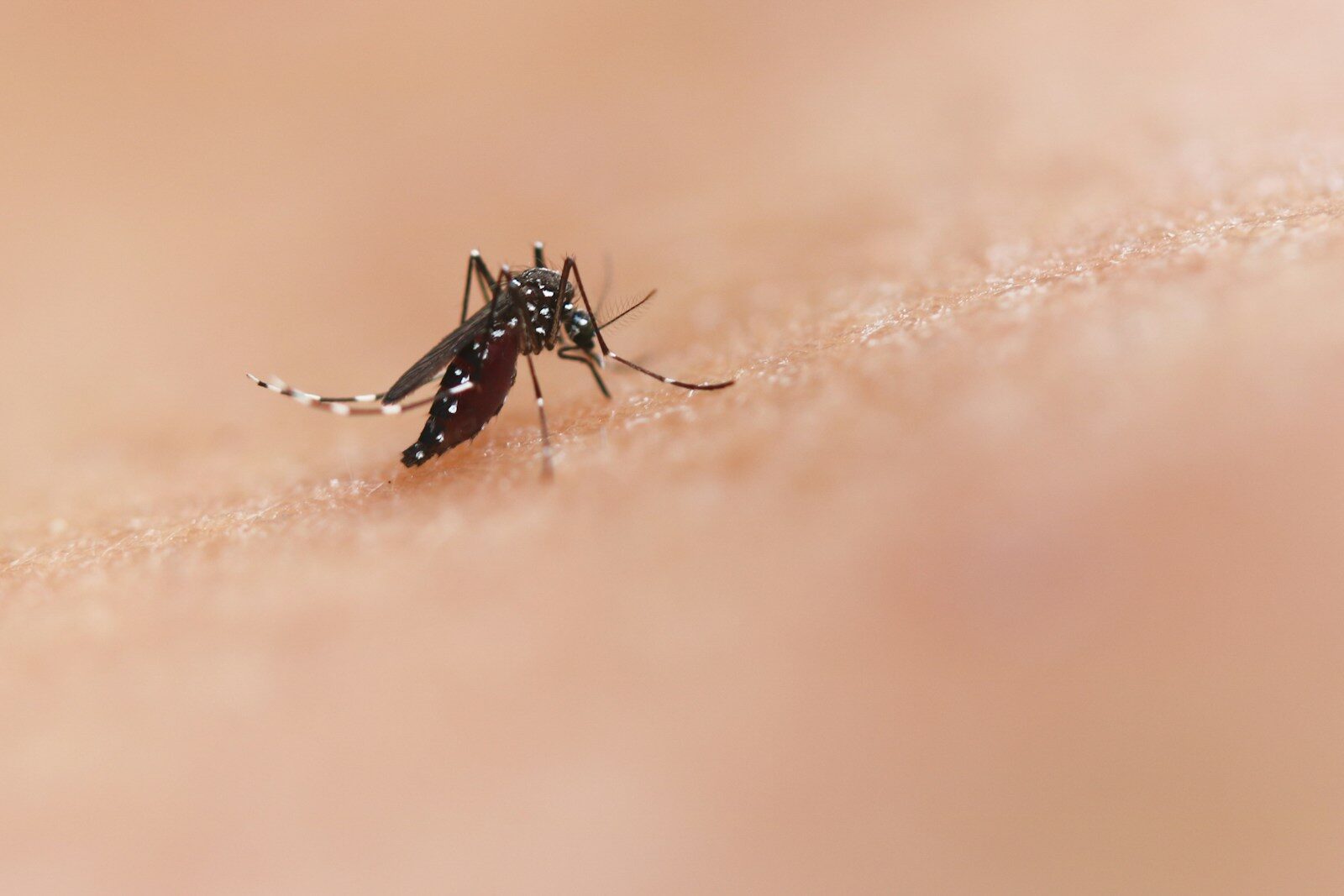
Not the Predator You’re Expecting
When people think about the most dangerous animal in North America, their minds usually go straight to large predators. Grizzly bears, mountain lions, wolves, or even alligators often top the list in popular imagination.
But the truth is far more surprising.
The animal responsible for more human deaths than any other in North America is not a large predator at all. It’s the mosquito.
Despite its tiny size, this insect has proven to be one of the most dangerous creatures on Earth. Mosquitoes can carry and transmit diseases that have killed millions of people throughout history and continue to cause serious illness every year.
While encounters with bears or sharks dominate headlines, the quiet buzz of a mosquito represents a far more significant public health threat.
A Tiny Insect With a Massive Impact
Mosquitoes are capable of spreading a variety of diseases through their bites. When a mosquito feeds on blood, it can transfer pathogens from one host to another.
According to the Centers for Disease Control and Prevention, mosquitoes are responsible for transmitting illnesses such as West Nile virus, Zika virus, dengue, and several forms of encephalitis.
West Nile virus is currently the most common mosquito-borne disease in the United States.
Data from the Centers for Disease Control and Prevention shows that thousands of cases of West Nile virus are reported across the country each year. While many infections are mild, severe cases can cause neurological illness and, in rare cases, death.
The ability of mosquitoes to transmit disease is what makes them so dangerous despite their small size.
Why Mosquitoes Are So Effective
Several biological traits make mosquitoes incredibly efficient disease carriers.
First, mosquitoes feed on blood from multiple hosts throughout their lifespan. This behavior allows them to act as vectors that move pathogens between animals and humans.
Second, mosquitoes reproduce rapidly. Female mosquitoes can lay hundreds of eggs at a time, often in standing water such as ponds, ditches, or even small puddles.
According to research from the U.S. Environmental Protection Agency, mosquito populations can expand quickly in warm, wet conditions when breeding sites are abundant.
These factors allow mosquito populations to grow quickly and spread disease efficiently.
Wildlife Also Plays a Role
Mosquito-borne diseases often involve wildlife as part of their transmission cycle.
For example, birds play a major role in the spread of West Nile virus. Mosquitoes that feed on infected birds can later transmit the virus to humans or other animals.
According to the U.S. Geological Survey, wildlife monitoring programs help scientists track how mosquito-borne diseases move through ecosystems.
Understanding these patterns helps public health agencies predict where outbreaks may occur.
Preventing Mosquito Bites
Because mosquitoes are so widespread, avoiding them entirely can be difficult. However, several strategies can reduce the risk of bites.
Public health experts recommend eliminating standing water around homes, since stagnant water provides breeding sites for mosquitoes.
Using insect repellents and wearing protective clothing can also help reduce exposure.
The Centers for Disease Control and Prevention recommends repellents containing ingredients such as DEET or picaridin for effective mosquito protection.
These precautions are particularly important in areas where mosquito-borne illnesses are more common.
A Dangerous Animal Few People Think About
While dramatic wildlife encounters often capture public attention, the most dangerous animals are sometimes the ones people overlook.
Mosquitoes may be tiny, but their ability to transmit disease has made them one of the most impactful animals on the planet.
According to global health research summarized by the World Health Organization, mosquitoes are responsible for more human deaths worldwide than any other animal.
In North America, the risk may be lower than in tropical regions, but the insect still poses a real health concern every year.
Small Size, Serious Consequences
The next time you hear the familiar buzz of a mosquito on a summer evening, it may not seem particularly threatening.
But that tiny insect represents one of nature’s most effective disease carriers.
While bears, sharks, and snakes capture headlines and inspire fear, the most dangerous animal in North America is often the one that goes almost unnoticed—until it bites.