
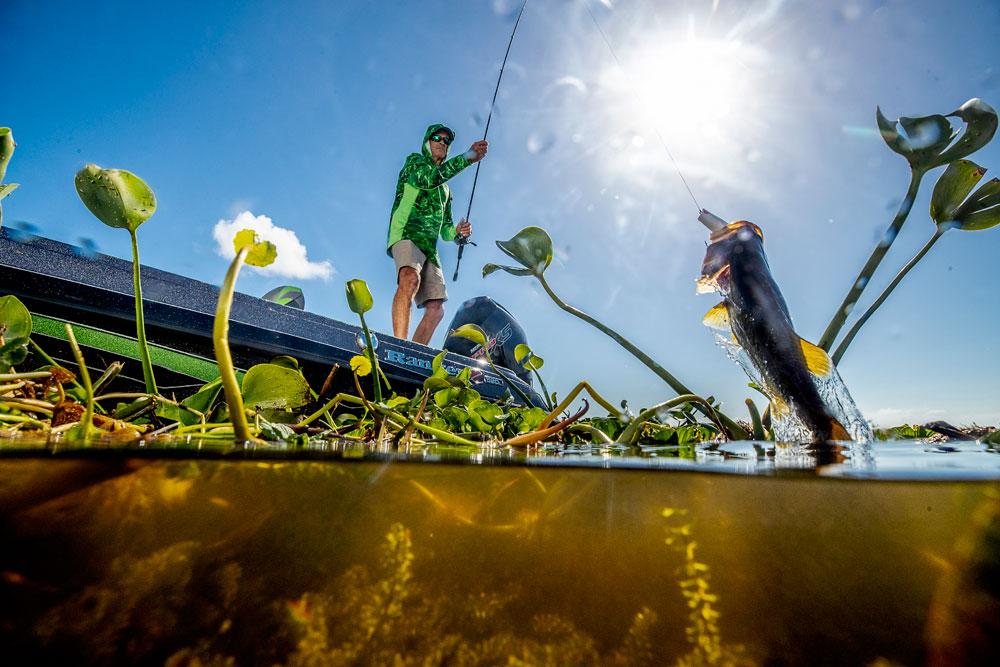
The One Summer Fishing Habit That Pushes Bigger Bass Away

Summer bass fishing can be frustrating.
One morning the lake feels alive, and the fish seem willing to hit almost anything you throw. Then suddenly, the bite disappears. The same spots stop producing, larger fish seem impossible to find, and anglers start blaming weather, moon phases, fishing pressure, or bad luck.
But according to many experienced fishermen, one of the biggest mistakes anglers make during summer has nothing to do with lure selection.
It has to do with timing.
Specifically, fishing the same way they fish during spring.
For many anglers, the one summer habit quietly pushing bigger bass away is continuing to fish shallow water too long after the sun comes up.
Summer Changes Everything for Big Bass
During spring, shallow water often produces some of the year’s best fishing. Bass move up to spawn, feed aggressively, and remain accessible around visible cover.
Summer works differently.
As water temperatures climb, bass behavior changes dramatically.
According to the Texas Parks and Wildlife Department, largemouth bass often shift activity toward cooler, more oxygen-rich areas once surface temperatures rise. During hotter months, fish frequently feed during low-light windows before repositioning to deeper water, shaded cover, submerged structure, or areas with stronger oxygen levels.
That means the shallow shoreline pattern many anglers relied on during spring often stops working quickly once summer heat settles in.
Yet many fishermen keep fishing the exact same way.
Why Bigger Bass Often Leave the Bank
One of the biggest misconceptions in summer fishing is assuming bass simply stop feeding.
Most of the time, they do not.
They just reposition.
Larger bass especially tend to become more selective during hot weather. Instead of cruising exposed shorelines during midday heat, bigger fish often slide toward ledges, submerged brush piles, creek channels, docks, standing timber, deep grass edges, or shaded areas where water conditions remain more comfortable.
According to discussions published by the Bassmaster, experienced tournament anglers consistently report that larger bass become increasingly structure-oriented during summer, particularly once rising temperatures reduce shallow oxygen levels.
In simple terms:
The fish did not disappear.
You just stayed where they no longer wanted to be.
Why So Many Anglers Keep Making This Mistake
The habit often starts with confidence.
Many fishermen naturally return to spots where they previously caught fish. If a shoreline, laydown, dock, or grass edge produced during spring, it feels logical to keep fishing those same areas into summer.
The problem is that bass are seasonal animals.
Patterns change.
Water temperatures change.
Baitfish move.
Oxygen shifts.
And bigger bass respond accordingly.
Many anglers unknowingly spend hours fishing empty water because they remain committed to spring habits long after fish behavior changed.
Experienced summer fishermen often describe this mistake bluntly:
“Fishing memories instead of conditions.”
Shade Becomes More Important Than Many Realize
If there is one thing summer bass love, it is comfort.
Shade suddenly becomes premium real estate.
Boat docks, overhanging trees, bridge pilings, vegetation mats, and submerged timber frequently hold larger fish during hotter parts of the day. According to the Major League Fishing, shaded cover often becomes one of the most consistent holding areas for bass because it provides cooler temperatures, ambush opportunities, and protection from direct sunlight.
That explains why experienced anglers frequently skip obvious shoreline stretches and instead target isolated shade carefully.
Sometimes the difference between catching nothing and catching a trophy bass comes down to one dock corner or one patch of shade.
Timing Matters More in Summer
Summer also rewards fishermen who think differently about time.
Many experienced bass anglers quietly adjust their schedules around fish behavior.
Early morning matters.
Late evening matters.
Night fishing often matters even more.
According to the Texas Parks and Wildlife Department, bass commonly feed more aggressively during cooler periods in hot weather, especially when reduced light helps them hunt baitfish more effectively.
That means anglers fishing aggressively during the hottest midday hours often experience slower action unless they adjust depth, structure, or presentation.
The fish may still bite.
They just rarely behave the same way they did in April.
How Serious Fishermen Adapt
The best summer bass fishermen rarely abandon fishing when temperatures rise.
They adapt.
Instead of pounding shallow banks for hours, they start looking deeper. Electronics become more important. Structure fishing matters more. Slower presentations often outperform fast-moving baits during tougher periods.
Deep-diving crankbaits, Texas rigs, football jigs, shaky heads, and large worms frequently become summer staples because they stay near fish holding deeper or tighter to cover.
Patience matters too.
Summer fishing often rewards precision over speed.
The Bottom Line
One of the biggest summer fishing mistakes anglers make is continuing to fish shallow water long after bigger bass already moved.
It feels familiar.
It feels comfortable.
But bass behavior changes when temperatures rise.
The anglers who consistently catch bigger fish in summer are usually the ones willing to change with them.
Because sometimes the difference between struggling and finding giant bass comes down to one simple decision:
Stop fishing where the fish used to be—and start fishing where they are now.