
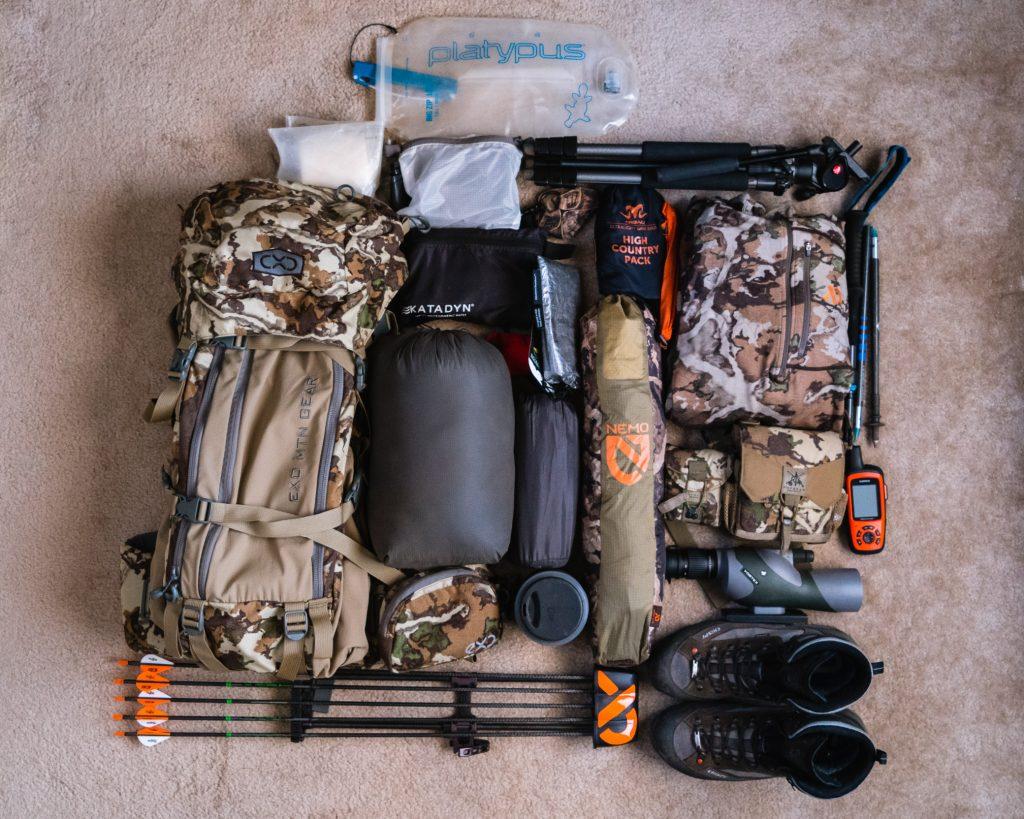
The Problem With Modern Hunting Gear

Walk through any hunting store today and it doesn’t feel like stepping into the woods—it feels like stepping into a tech showroom. Heated jackets, scent-blocking suits, rangefinding binoculars, GPS trackers, mapping apps, smart optics. The message is clear:
You need more gear.
But somewhere along the way, modern hunting gear has crossed a line—from useful tools into something else entirely. And for a lot of hunters, it’s starting to create more problems than it solves.
When Clothing Became Complicated
There was a time when hunting clothing was simple. Wool, canvas, and layers that kept you warm and quiet. It wasn’t flashy, but it worked.
Today, clothing has become hyper-specialized. Brands market gear built for specific temperatures, terrains, and even individual species. According to product research and materials data from Sitka Gear and First Lite, modern hunting clothing incorporates advanced fabrics designed for moisture control, insulation, and scent reduction.
There’s no question that these materials can improve comfort.
But they’ve also created a mindset that you need the “perfect system” to be successful. If you don’t have the right layering combination or the newest camo pattern, you’re somehow at a disadvantage.
The reality is, animals don’t care what brand you’re wearing.
Movement, wind, and noise matter far more than the logo on your jacket.
The Scent Control Illusion
One of the biggest selling points in modern hunting gear is scent elimination. Entire clothing systems are built around the idea that they can make you invisible to an animal’s nose.
But that claim doesn’t fully hold up.
According to the National Deer Association, a whitetail deer’s sense of smell is extremely advanced, capable of detecting human odor at incredibly low concentrations. Even the best scent-control systems don’t eliminate odor completely.
They reduce it.
That’s a big difference.
Hunters who rely too heavily on gear instead of playing the wind are often the ones who get busted. Technology can help—but it doesn’t replace fundamentals.
Gadgets Everywhere
Then there’s the gear explosion.
Rangefinders. Thermal optics. Trail cameras that send photos straight to your phone. GPS mapping systems that track your every move.
According to trends in outdoor participation reported by Outdoor Industry Association, hunters are adopting more technology than ever before, blending traditional hunting with digital tools.
Some of it is incredibly useful. There’s no argument there.
But it also changes the experience.
Instead of reading sign, hunters rely on trail cam data. Instead of learning terrain, they follow GPS lines. Instead of judging distance, they push a button.
Over time, that dependency can erode the very skills hunting was built on.
The Cost Barrier
Modern gear doesn’t just add complexity—it adds cost.
A full hunting clothing system can easily run into the thousands. Add optics, electronics, and accessories, and the price climbs even higher.
According to consumer data from the U.S. Fish and Wildlife Service, participation in hunting has been influenced by rising costs, among other factors. While gear isn’t the only reason, it plays a role.
New hunters looking at the price tag may feel like they can’t get started without investing heavily.
That’s a problem.
Because hunting has never been about having the most expensive setup.
When Gear Replaces Skill
At its core, hunting is about awareness, patience, and understanding animal behavior. Those skills don’t come from a product—they come from time in the field.
But modern gear can create a shortcut mentality.
If you have the right camo, the right scent system, and the latest tech, success should follow.
Except it doesn’t.
According to insights shared by experienced hunters and organizations like the National Deer Association, success still comes down to fundamentals—wind direction, entry routes, timing, and discipline.
Gear can support those things.
It can’t replace them.
What Actually Matters
Strip everything back, and the essentials haven’t changed.
- Stay downwind
- Move slowly
- Understand the terrain
- Know your target species
The rest is optional.
That doesn’t mean modern gear is useless. Far from it. Quality clothing can keep you comfortable longer. Good optics can improve shot placement. GPS tools can enhance safety.
But they should support your hunt—not define it.
The Bigger Picture
The problem with modern hunting gear isn’t that it exists.
It’s that it’s often sold as the solution.
And when hunters start believing that success comes from what they buy instead of what they know, something gets lost.
The Bottom Line
Hunting has always been about adapting to the environment—not engineering your way around it.
Modern gear has its place, but it’s not the difference between success and failure. The difference is still the hunter.
Because at the end of the day, no amount of technology can replace time in the woods, paying attention, and doing the simple things right.