
They Bought 40 Acres for the Windmill—Then Found Out the Water Wasn’t Theirs

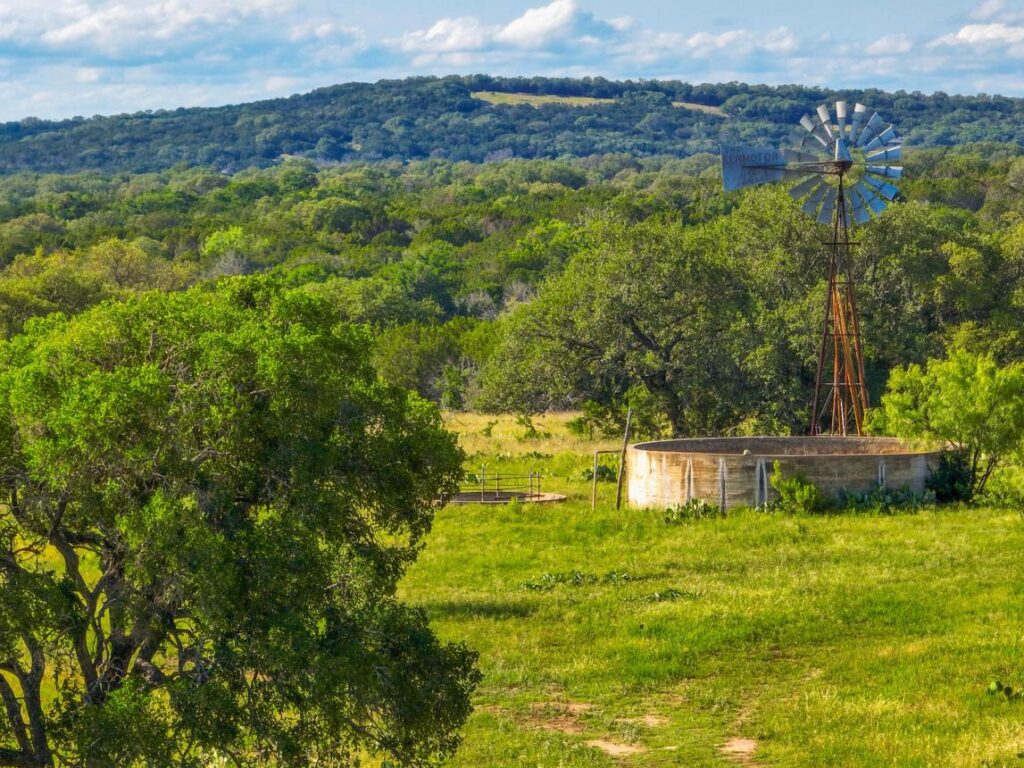
When Mark and Lindsey Carter closed on 40 acres just outside San Saba, it felt like they had finally found something rare—a piece of land that wasn’t just scenic, but functional. The property rolled gently through classic Hill Country terrain, dotted with mesquite and oak, and offered the kind of quiet that’s getting harder to find. But what truly set it apart was the windmill standing tall near the center of the acreage, slowly turning above a stock tank. It wasn’t just a visual feature; it represented water, independence, and the kind of self-sufficiency that draws people to rural Texas in the first place. For the Carters, that windmill wasn’t a bonus—it was the deciding factor. It gave the land a sense of purpose, and it made their vision for the property feel real.
The Windmill That Sold the Dream
The Carters weren’t new to land shopping, but they were new to finding something that checked every box. They had looked at multiple properties across Central Texas, many of which had views but lacked water, or had acreage but no usable infrastructure. When they stepped onto this property and saw the windmill actively pumping into a tank, it changed everything. Water on rural land isn’t just convenient—it’s essential. It means livestock potential, wildlife attraction, and long-term usability. In their minds, it reduced risk. It made the land feel complete. During the walkthrough, nothing suggested there were any complications tied to it. There were no obvious signs of shared use, no immediate red flags, and no indication that the windmill was anything other than part of what they were buying.
They closed on the property with confidence, already planning where they might build, how they’d fence sections, and how that windmill would support whatever they decided to do next.
The Discovery No One Mentioned
It didn’t take long for things to shift. A few weeks after closing, while getting familiar with the property, Mark noticed something that didn’t quite add up. The windmill was working, just like they had seen before—but there was a line running off from the system, extending beyond their boundary. At first, it didn’t seem significant. Old ranch infrastructure often includes abandoned lines or unused connections. But this one looked active. Curious, he followed it. What he found wasn’t an old relic—it was a functioning water line feeding into the neighboring property.
That’s when the questions started.
After speaking with the neighbor, the Carters learned something that had never come up during the buying process: the neighbor claimed they had rights to the water produced by that windmill. Not access to the land. Not ownership of the structure. But rights to the water itself.
Water Rights vs. Land Ownership
This is where rural property ownership becomes more complicated than most buyers expect. In Texas, land ownership doesn’t always mean full control over every resource tied to that land. Water rights—especially those tied to wells or windmills—can be subject to agreements, easements, or long-standing arrangements that may or may not be immediately obvious. In some cases, these agreements are formally recorded. In others, they’re based on historical use that has gone unchallenged for years.
In the Carters’ situation, the windmill physically sat on their property. They owned the land beneath it. They owned the structure itself. But if the neighbor’s claim held legal weight, the water being produced could be considered a shared or allocated resource. That distinction changes everything. It means the value of the property, the usability of the water, and even future plans could all be impacted by something they didn’t know existed.
A Problem That Changes Everything
What once felt like a defining feature of the property quickly became a source of uncertainty. The Carters now found themselves asking questions they never thought to consider before closing. Were they allowed to shut off or redirect the water? Were they responsible for maintaining the windmill if someone else benefited from it? Could they modify or replace the system? And perhaps most importantly—should this have been disclosed before they ever signed the paperwork?
The emotional shift was just as significant as the practical one. What had felt like a straightforward purchase now carried doubt. The sense of ownership was no longer as clear-cut. Instead of moving forward with plans, they were forced to pause and figure out exactly what they had bought—and what they hadn’t.
When Expectations Collide With Reality
This situation highlights a reality that many first-time land buyers don’t fully understand: rural properties often come with history, and that history can carry forward in ways that aren’t always visible. Old ranches, shared water systems, handshake agreements between neighbors—these things can persist long after the original parties are gone. And unless they’re clearly documented and disclosed, they can surface unexpectedly.
The Carters had approached the purchase like many people do—focused on what they could see. The land, the improvements, the visible features. But rural land transactions often require digging deeper. Title searches, easement reviews, and detailed questions about utilities and access aren’t just formalities—they’re critical.
The Legal Gray Area
Now, the situation sits in a gray area that will likely require professional guidance. If the neighbor’s claim is backed by a recorded easement or legal agreement, the Carters may be bound by it. If it’s based on informal use, the situation becomes more negotiable—but also more uncertain. Either way, resolving it won’t be simple. It may involve attorneys, title companies, and potentially even court involvement if an agreement can’t be reached.
In the meantime, the Carters are left navigating a situation that impacts how they use their own land, without a clear path forward.
The Bigger Lesson for Buyers
What happened here isn’t unique—it’s just rarely talked about until it happens. Buying rural land is different than buying a house in a subdivision. There are more variables, more unknowns, and more opportunities for overlooked details to become real problems later.
Water rights, mineral rights, access easements—these aren’t just technicalities. They define what ownership actually means.
What Happens Next
For now, the Carters are doing what many find themselves doing in similar situations—researching, asking questions, and trying to understand the full scope of their rights. They’re reviewing documents, consulting professionals, and exploring whether there’s a path to renegotiate or clarify the arrangement. But regardless of how it plays out, one thing is certain: the property they thought they were buying isn’t exactly the one they ended up with.
The Bottom Line
They bought the land for the windmill—for what it represented and what it could provide. It symbolized independence, reliability, and a connection to the land that felt tangible.
But in the end, that same windmill revealed a complication they never expected.
And it serves as a reminder that in rural real estate, ownership isn’t always as simple as it looks.
Because sometimes, the most valuable thing on the property…
Isn’t entirely yours.