
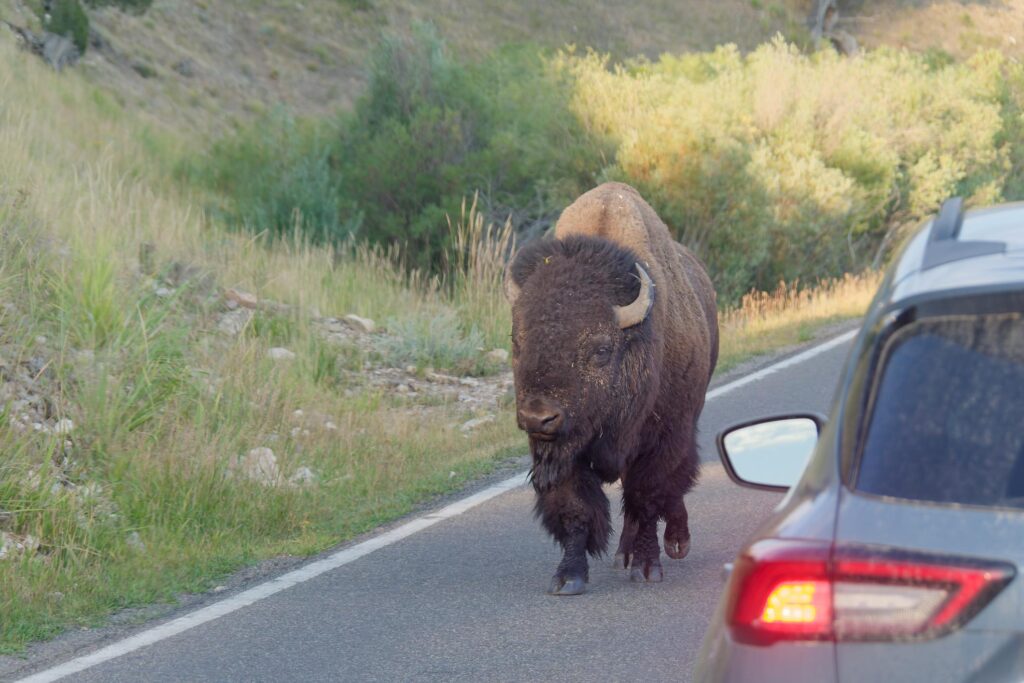
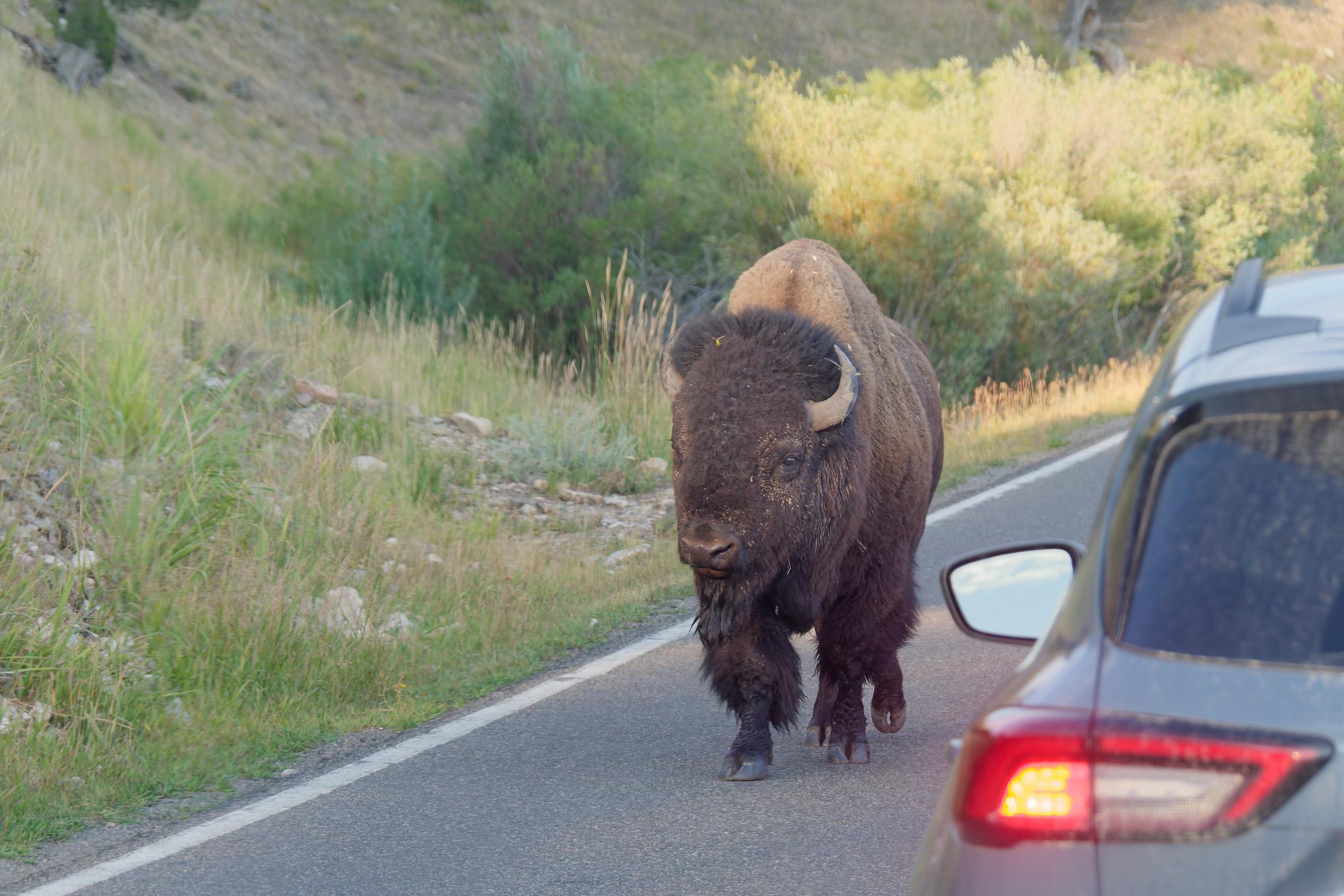
 A tourist was injured after being attacked by a bison in Yellowstone National Park, underscoring ongoing safety concerns as millions of visitors interact with wildlife each year. Officials with the National Park Service said the incident occurred after the individual approached the animal too closely, a mistake that has led to numerous injuries in the park over the years. According to the National Park Service, bison have injured more visitors in Yellowstone than any other species due to their size, speed, and unpredictable nature.
The injured tourist received medical treatment after the encounter, and park officials used the incident to reiterate an important message: wildlife in Yellowstone is wild and should never be approached. The National Park Service states clearly in its safety guidance that visitors must remain at least 25 yards away from bison and other large animals, and at least 100 yards away from predators like bears and wolves, to reduce the risk of injury and prevent dangerous encounters.
Bison Are Faster and More Dangerous Than Many Visitors Realize
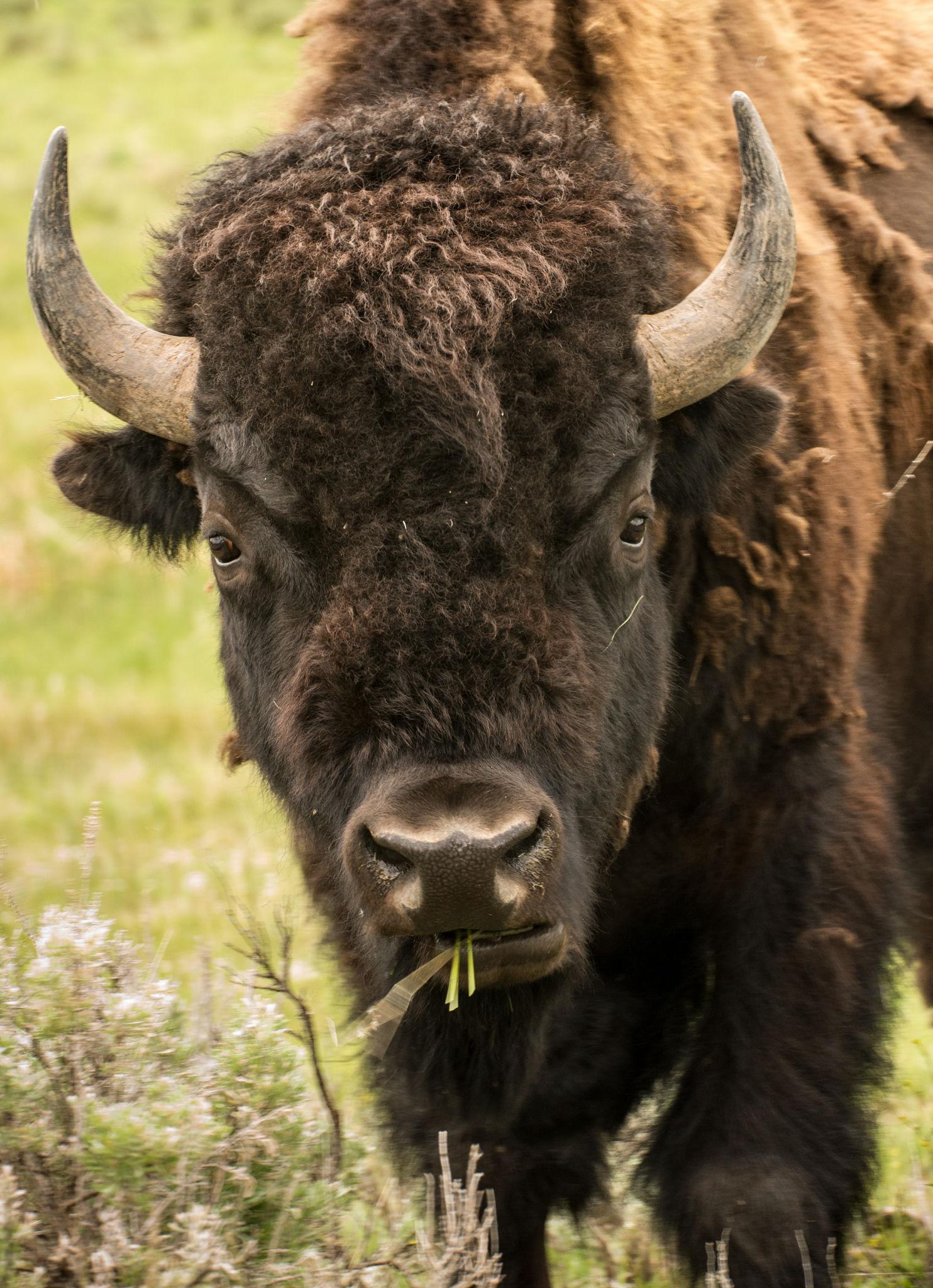
Despite their calm appearance, bison are powerful animals capable of sudden aggression. According to Yellowstone National Park officials, adult bison can weigh up to 2,000 pounds and run at speeds approaching 35 miles per hour, far faster than most people expect. The Yellowstone National Park wildlife safety guidelines emphasize that these animals can pivot quickly and charge without warning if they feel threatened or cornered.
Bison often display warning signs before attacking, such as lowering their heads, pawing the ground, or making aggressive movements. However, many tourists either fail to recognize these signs or underestimate the danger. Yellowstone National Park officials stress that visitors should immediately move away if a bison reacts to their presence, rather than trying to get closer for photos.
Millions of Visitors Increase the Risk of Dangerous Encounters
Yellowstone is one of the most visited national parks in the United States, attracting more than four million visitors annually, according to data published by the National Park Service. With so many people entering wildlife habitat, the chances of unsafe interactions increase.
CBS News has reported on multiple bison-related injuries in Yellowstone in recent years, including incidents where visitors were tossed into the air or trampled after approaching too closely. According to CBS News, most of these incidents occur when visitors ignore park safety rules in order to take photos or observe wildlife at close range.
Wildlife experts consistently warn that bison should never be approached under any circumstances. Even animals that appear calm can react suddenly if they perceive humans as a threat.
 Wildlife Safety Rules Exist to Protect Everyone
The National Park Service emphasizes that its safety rules exist to protect both visitors and animals. Approaching wildlife can lead to injuries, but it can also stress animals and disrupt their natural behavior. Yellowstone National Park officials warn that visitors who violate wildlife safety regulations may face fines, citations, or removal from the park.
According to the National Park Service, maintaining proper distance is the single most important factor in preventing wildlife attacks. The agency advises visitors to use binoculars or zoom lenses instead of approaching animals directly.
Yellowstone Remains Wild, Not a Zoo
Yellowstone National Park offers one of the few places in the United States where visitors can see large wildlife like bison roaming freely in their natural habitat. However, park officials emphasize that these animals are not domesticated and do not tolerate close human interaction.
The National Park Service continues to remind visitors that Yellowstone is not a zoo, and wildlife should always be treated with caution and respect. Incidents like this serve as a powerful reminder that maintaining distance is essential for safety.
By following park guidelines and respecting wildlife, visitors can safely enjoy one of America’s most iconic national parks without putting themselves—or the animals—at risk.