
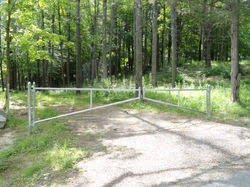
Trespassers Frustrated as Landowner Installs Gate to Block Access
A Rural Dispute Boils Over
A growing dispute between landowners and unauthorized visitors is highlighting a common issue across rural America: access to private land.
In this case, a property owner installed a gate to block a road running through their land—only to find that some individuals who had been using the property without permission were not happy about it.
According to reports from rural landowners and similar cases across the country, situations like this often escalate quickly when long-used informal access routes are suddenly restricted.
What one group sees as “normal access,” the landowner sees as trespassing.
When “We’ve Always Used This Road” Isn’t Enough
One of the most common arguments from trespassers is that they’ve used the land for years.
But legally, long-term use does not automatically grant access rights.
According to property law guidance from the Texas A&M AgriLife Extension Service, private landowners have the right to control access to their property unless a formal easement or legal agreement exists.
That means even if people have been driving, hunting, or riding on a piece of land for years, they may still be trespassing if they don’t have permission.
When a gate goes up, it often serves as a clear—and legally significant—boundary.
Why Landowners Install Gates
For many landowners, installing a gate isn’t about creating conflict—it’s about protecting property.
Unauthorized access can lead to a range of issues, including illegal hunting, littering, property damage, and liability concerns.
According to the Texas Parks and Wildlife Department, trespassing is a common issue in rural areas, particularly during hunting seasons when people may cross property lines without permission.
A gate provides a physical and visible way to enforce boundaries.
The Safety and Liability Factor
There’s also a legal side to the issue that many trespassers overlook.
If someone is injured on private property, the landowner could potentially face liability—even if the person wasn’t supposed to be there.
According to legal resources from the American Farm Bureau Federation, limiting access to private land can help reduce liability risks for landowners.
That makes gates, fences, and posted signs more than just deterrents—they’re protective measures.
Frustration on Both Sides
While landowners see gates as necessary, trespassers often view them as an inconvenience or even an overreaction.
In many cases, the frustration stems from a shift in expectations. What was once open land is now clearly restricted.
But that shift is becoming more common as rural land changes hands and new owners enforce property rights more strictly.
When Conflicts Escalate
Disputes over access can sometimes go beyond frustration.
In some cases, landowners report gates being damaged, locks being cut, or fences being bypassed.
These actions can lead to more serious legal consequences.
According to enforcement guidance from the Texas Parks and Wildlife Department, damaging property or ignoring posted boundaries can result in fines, charges, and loss of hunting privileges.
The Importance of Clear Boundaries
Experts say many of these conflicts can be avoided with clear communication and proper signage.
Posting property lines, installing gates, and documenting access policies can help prevent misunderstandings.
For those seeking access, the solution is simple: ask for permission.
Many landowners are willing to allow access under the right conditions—but assuming access can quickly lead to conflict.
A Reminder About Property Rights
At its core, this situation comes down to a basic principle: private property rights.
Landowners have the legal authority to control who enters their land and how it is used.
For those frustrated by gates or restricted access, the reality is straightforward—if it’s not your land, it’s not your decision.
And as more landowners take steps to protect their property, situations like this are likely to become more common across rural America.