
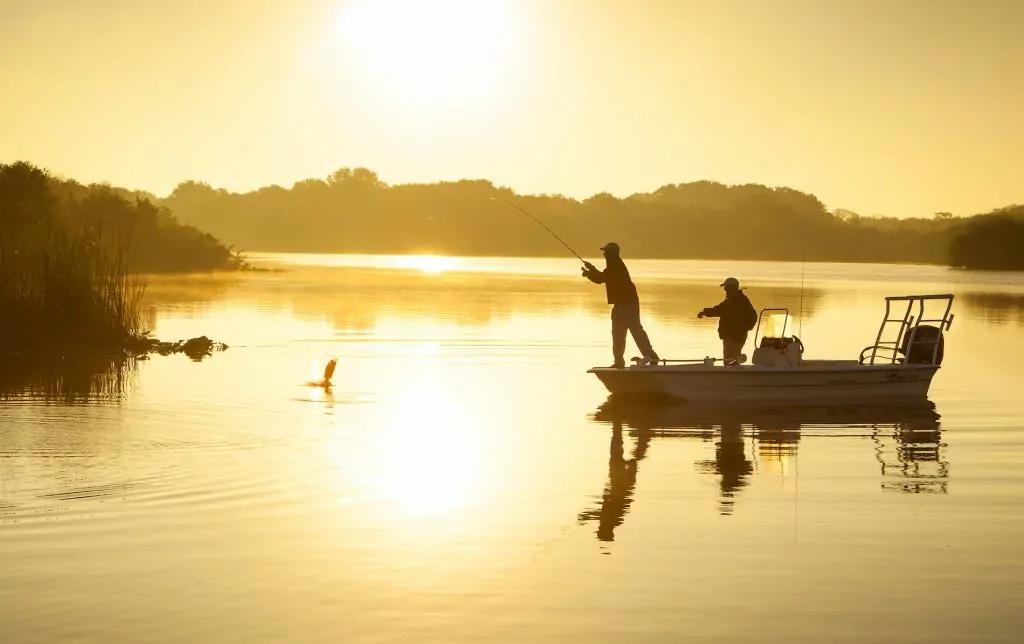
Why Some Texas Anglers Refuse to Share Their Best Fishing Spots Anymore—And Why This Myth Needs to Go Away

Ask almost any serious Texas fisherman where they caught their biggest bass, and there is a good chance the answer gets vague in a hurry.
“Somewhere around East Texas.”
“Just a little lake.”
“Oh, you know… out there.”
For years, anglers have guarded fishing spots like family secrets. GPS pins stay hidden. Creek bends go unnamed. Productive brush piles become closely guarded information shared only among trusted friends.
The logic sounds simple enough: if too many people find out about a productive area, fishing pressure increases and the bite gets worse.
But while protecting sensitive fisheries matters, many longtime anglers believe something else has quietly happened over the years.
The secrecy has gone too far.
And the myth that sharing fishing information somehow ruins lakes may actually be hurting the fishing community more than helping it.
Why Anglers Started Guarding Fishing Spots
The idea of protecting productive water did not appear out of nowhere.
For decades, fishermen learned hard lessons after watching favorite areas become overcrowded. A brush pile that quietly held bass for years suddenly turns into a boat parking lot after one tournament photo goes viral. A productive crappie dock becomes packed after somebody posts coordinates online.
In today’s social media world, one Facebook post or YouTube video can dramatically increase fishing pressure overnight.
That concern feels real.
According to the Texas Parks and Wildlife Department, many popular lakes already experience intense fishing pressure, particularly around accessible structures, community holes, and major tournament waters. Lakes like Lake Fork, Sam Rayburn Reservoir, and Lake O.H. Ivie attract enormous numbers of anglers chasing trophy fish.
Nobody wants to watch their favorite quiet cove turn into a circus.
That part is understandable.
But Here’s the Problem: Most “Secret Spots” Are Not Actually Secret
Here is the truth many experienced anglers quietly know:
Very few spots stay secret anymore.
Modern sonar, mapping technology, tournament coverage, fishing apps, satellite imagery, and decades of local fishing knowledge have changed everything.
Today, anglers can scan structure in real time, identify ledges, mark brush piles, and find productive depth changes without anybody ever telling them where to fish. According to the Major League Fishing and professional tournament anglers, electronics now play such a major role in fishing success that many productive offshore areas are discovered independently by dozens of fishermen.
That means the old fear of “spot burning” often gets exaggerated.
Sure, announcing exact coordinates online can absolutely hurt a small location.
But acting like every productive point or grass line belongs to one person forever?
That idea has become harder to defend on public water.
Because public lakes belong to everyone.
The Bigger Myth: Sharing Information Ruins Fishing
Many anglers still believe sharing fishing information automatically ruins success.
But there is strong evidence the opposite may actually be true.
Fishing participation matters.
According to the U.S. Fish and Wildlife Service, fishing license sales help fund conservation, habitat improvements, boat ramps, fisheries research, and lake management through programs supported by anglers themselves.
That system depends on people staying interested.
And beginners rarely stay interested if nobody helps them.
A father taking his kid fishing for the first time probably does not need GPS coordinates to your best offshore hump. But helping somebody understand seasonal bass movement, productive structure, or basic patterns creates better anglers and stronger fishing communities.
The old culture of “figure it out yourself” sometimes pushes newcomers away.
That hurts everyone long-term.
There Is a Difference Between Helping and Giving Away Everything
To be fair, nobody is saying anglers should post every hidden honey hole online.
There is a difference between helping people learn and giving away highly pressured fishery locations.
Many experienced anglers already understand this balance.
They share patterns instead of coordinates.
Instead of saying, “Fish this exact dock,” they explain:
“Look for secondary points near spawning coves.”
“Target grass edges early.”
“Bass are suspending near timber in deeper water.”
That type of information teaches people how to fish rather than simply where to fish.
And honestly, that creates better fishermen anyway.
Because fish move.
Patterns change.
And somebody who only relies on exact spots usually struggles when conditions shift.
Fishing Is Supposed to Build Community
Somewhere along the way, parts of fishing culture became overly secretive.
But many longtime Texas anglers remember a different side of the sport.
Boat ramps where strangers swapped stories.
Tackle shops where locals shared honest advice.
Old fishermen helping younger anglers understand seasonal movement or water clarity.
That community still exists.
But it sometimes gets drowned out by social media arguments over “spot burning” and who supposedly owns public water.
The reality is simple:
Nobody owns a public fishing spot.
And helping others become better anglers does not automatically ruin lakes.
In many cases, it helps preserve fishing culture for the next generation.
The Bottom Line
Texas anglers have good reasons to protect productive water, especially on pressured lakes where social media can overwhelm small areas quickly.
But the idea that sharing fishing knowledge somehow ruins fishing altogether may be one of the biggest myths in the outdoor world.
Because the best fishermen rarely succeed because somebody gave them coordinates.
They succeed because someone helped them understand fish.
And that kind of knowledge is worth sharing.