
10 Survival Skills Every Camper Should Learn

The Skills That Can Make the Difference in the Outdoors
Camping is one of the best ways to experience the outdoors, but spending time in remote areas also requires preparation and knowledge. While most camping trips go exactly as planned, unexpected situations—from sudden storms to getting lost on a trail—can quickly turn an adventure into a challenge.
That’s why experienced outdoorsmen emphasize learning basic survival skills before heading into the backcountry. These skills don’t just make camping safer—they also help campers become more confident and self-reliant in the wilderness.
According to safety guidance from the National Park Service, many outdoor emergencies could be avoided or resolved quickly when campers understand fundamental survival techniques.
Whether you’re exploring national forests or pitching a tent in a remote valley, these survival skills can make a critical difference.
Building a Fire
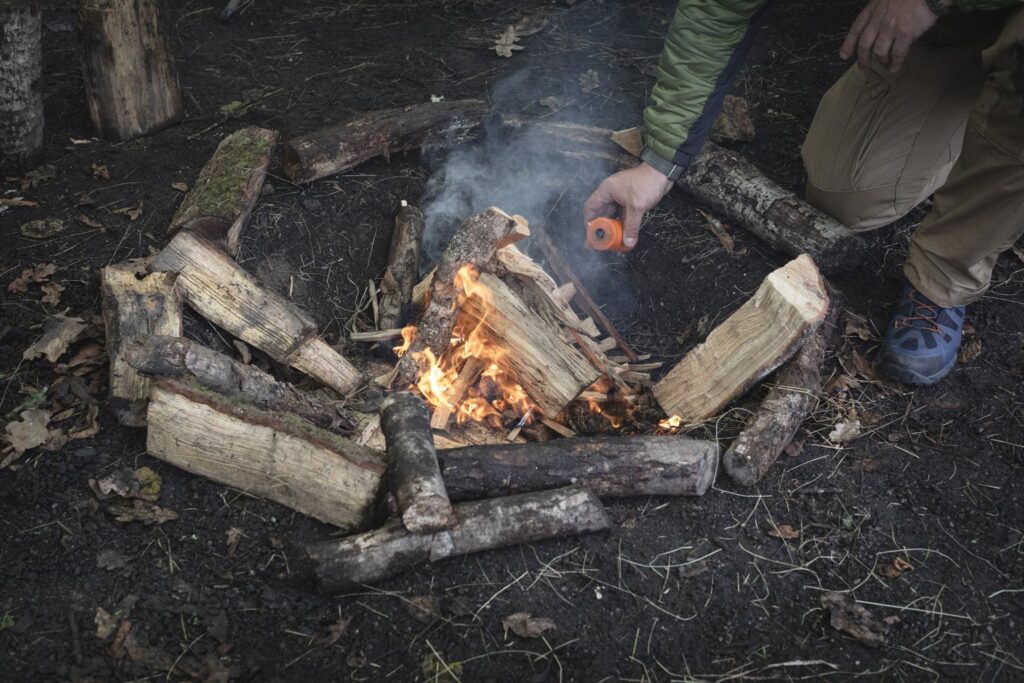
Fire is one of the most essential survival tools in the wilderness. A reliable fire provides warmth, allows campers to cook food, purify water, and signal for help if necessary.
Learning multiple ways to start a fire is important because weather conditions can make ignition difficult.
Outdoor survival instructors often recommend carrying waterproof matches, a lighter, and a fire starter such as magnesium or ferrocerium rods.
According to outdoor survival training programs run by the National Outdoor Leadership School, practicing fire-building techniques before a trip greatly increases success when conditions are challenging.
Finding and Purifying Water
Humans can survive days without food but only a short time without water.
Campers should always know how to locate water sources and purify water before drinking it. Streams, rivers, and lakes may look clean but can still contain bacteria or parasites.
According to the Centers for Disease Control and Prevention, untreated water can carry organisms such as Giardia that cause serious illness.
Water filters, purification tablets, and boiling water are common methods used by campers to ensure water is safe to drink.
Navigating Without GPS
Modern technology has made navigation easier than ever, but electronic devices can fail due to battery loss, damage, or lack of signal.
For this reason, experienced campers still rely on traditional navigation skills.
Using a map and compass allows travelers to understand terrain and determine direction without relying on digital tools.
According to backcountry safety recommendations from the U.S. Forest Service, campers should always carry a physical map and compass and know how to use them before venturing into remote areas.
Building a Shelter
Weather conditions can change quickly in the outdoors. Heavy rain, wind, or sudden drops in temperature can turn an exposed campsite into a dangerous situation.
Knowing how to build an emergency shelter using natural materials or basic camping gear can protect against the elements.
Simple shelters such as lean-tos, tarp shelters, or debris huts can provide critical protection from rain and wind.
Survival experts often emphasize that staying dry is one of the most important factors in preventing hypothermia.
Identifying Safe Food Sources
While campers usually bring their own food, understanding edible plants and fishing opportunities can provide valuable backup in survival situations.
However, identifying wild plants requires careful study because many species are poisonous.
According to the U.S. Department of Agriculture, outdoor enthusiasts should only consume wild plants they can positively identify with reliable field guides.
Fishing can also provide food when camping near rivers or lakes.
Learning basic fishing techniques can be a valuable survival skill in many environments.
Signaling for Help
If campers become lost or injured, knowing how to signal for help can be lifesaving.
Signal fires, reflective mirrors, whistles, and brightly colored gear can help rescuers locate someone more quickly.
According to search and rescue data compiled by the National Association for Search and Rescue, individuals who know how to signal effectively are often found much faster during wilderness emergencies.
The universal distress signal—three repeated signals such as whistle blasts or fires—is widely recognized in search operations.
First Aid Knowledge
Basic first aid skills are essential for anyone spending time in the wilderness.
Cuts, sprains, insect bites, and dehydration are common issues that campers may encounter.
According to training materials from the American Red Cross, campers should carry a first aid kit and understand how to treat common injuries.
Knowing how to stop bleeding, stabilize an injury, and treat minor wounds can prevent small problems from becoming serious emergencies.
Staying Calm and Making Smart Decisions
Perhaps the most important survival skill is maintaining a calm mindset.
Panic often leads to poor decisions, especially when someone becomes lost or faces unexpected challenges.
Outdoor safety experts emphasize the importance of stopping, assessing the situation, and creating a clear plan.
According to wilderness safety guidance from the National Park Service, the “STOP” method—Stop, Think, Observe, Plan—is often taught as a way to maintain clear thinking during emergencies.
Respecting the Environment
Understanding how to interact responsibly with the natural environment is another key skill.
This includes recognizing weather changes, respecting wildlife, and following Leave No Trace principles.
According to the Leave No Trace Center for Outdoor Ethics, responsible camping practices help protect ecosystems while ensuring future generations can enjoy the same landscapes.
Learning to respect the environment also helps campers avoid unnecessary risks.
Confidence Through Preparation
Camping can be one of the most rewarding ways to experience the outdoors. But the difference between a memorable adventure and a dangerous situation often comes down to preparation.
Learning survival skills before heading into the wilderness gives campers the tools they need to handle unexpected challenges.
From building a fire to navigating unfamiliar terrain, these abilities create confidence that allows outdoor enthusiasts to explore nature safely.
And for many experienced campers, mastering these skills becomes part of the adventure itself.