
Anti-Hunting Activism Is Rising Across the United States
A Growing Clash Over Wildlife Policy
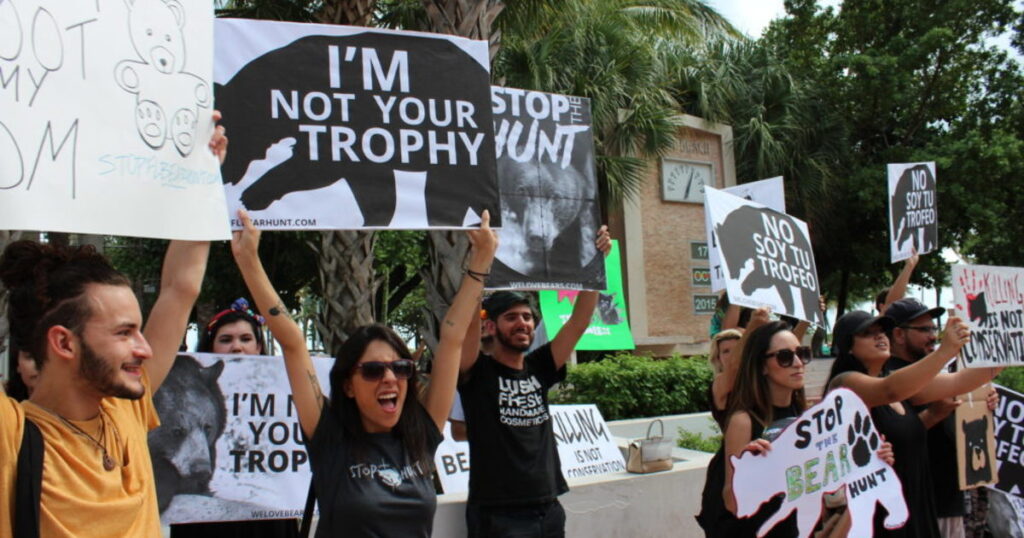
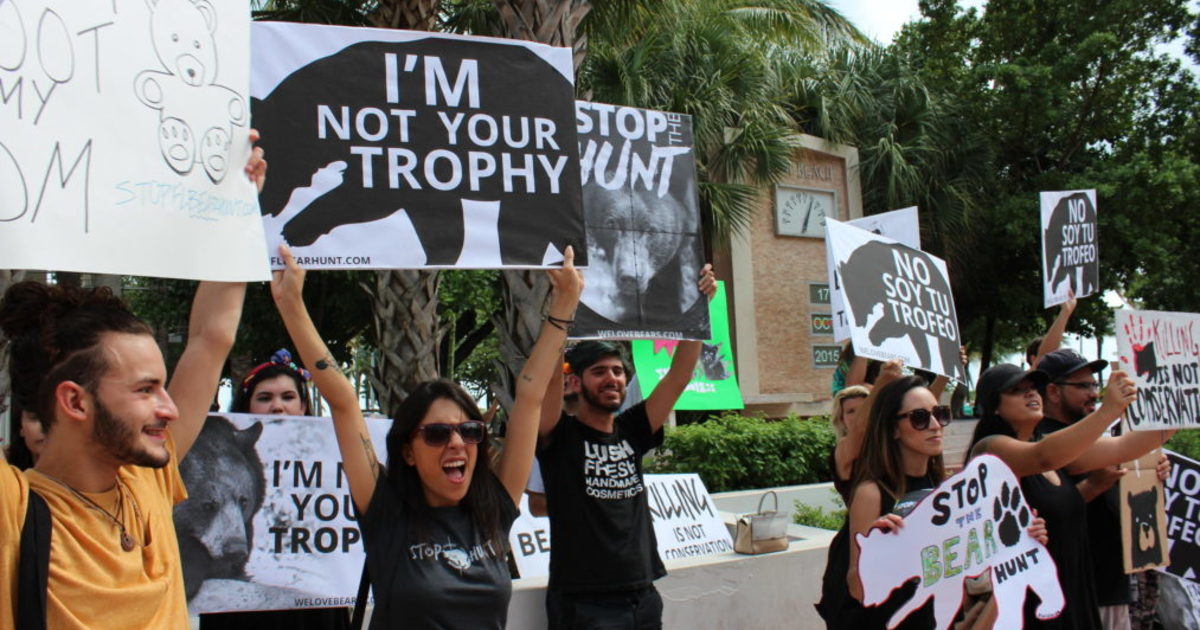
Across the United States, debates surrounding hunting are becoming increasingly visible as anti-hunting activism gains momentum in several states. Animal rights organizations, conservation groups, hunters, and wildlife agencies are now frequently clashing over how wildlife should be managed and whether hunting should remain a primary conservation tool.
For many Americans, hunting remains a long-standing cultural tradition tied to rural life, food sourcing, and conservation funding. Yet a growing number of advocacy groups argue that hunting should be restricted or eliminated altogether, particularly for certain species or hunting methods.
The result is an increasingly public debate about wildlife management, ethics, and the role of hunting in modern society.
Activist Campaigns Are Expanding
Animal rights organizations have become more active in challenging hunting seasons, ballot initiatives, and wildlife policies.
Groups advocating against hunting often focus their campaigns on practices they view as especially controversial, such as predator hunting, trophy hunting, or the use of certain equipment like traps or hounds.
According to research compiled by the Humane Society of the United States, anti-hunting advocates argue that modern wildlife populations should be managed through non-lethal methods whenever possible.
These groups frequently organize public campaigns, lobby state legislatures, and support ballot initiatives aimed at restricting hunting activities.
In several states, wildlife management policies have increasingly become subjects of public votes rather than decisions made solely by wildlife agencies.
Hunting’s Role in Conservation
Hunters and wildlife managers often counter that regulated hunting has played a crucial role in the recovery of many wildlife species across North America.
Modern wildlife management in the United States is largely based on the North American Model of Wildlife Conservation, which treats wildlife as a public resource managed through science-based policies.
According to the U.S. Fish and Wildlife Service, hunting license sales and federal excise taxes on firearms and ammunition provide billions of dollars for conservation programs.
These funds help support habitat restoration, wildlife research, and species management programs across the country.
Many conservationists argue that without this funding structure, numerous wildlife recovery efforts would struggle to maintain long-term financial support.
Predator Hunting Is a Major Focus
One area where anti-hunting activism has intensified involves predator species such as wolves, bears, and mountain lions.
Some advocacy groups argue that predators should receive greater protections because they play critical roles in maintaining ecosystem balance.
For example, research conducted by scientists at Yellowstone National Park found that the reintroduction of wolves in the 1990s helped restore ecological balance by influencing elk behavior and vegetation growth.
Supporters of predator hunting, however, argue that carefully regulated harvests are necessary to manage populations and reduce conflicts with livestock and rural communities.
State wildlife agencies often attempt to balance these concerns by adjusting hunting quotas and monitoring predator populations.
Cultural Divides Are Growing
The debate over hunting often reflects broader cultural differences between urban and rural communities.
In many rural regions, hunting remains a deeply rooted tradition passed down through generations. It is also closely tied to food gathering, land stewardship, and outdoor recreation.
Urban populations, however, are increasingly removed from direct interactions with wildlife and agricultural practices.
According to surveys conducted by the Pew Research Center, attitudes toward hunting and wildlife management often vary significantly based on where people live and their personal experiences with nature.
These cultural differences can influence how voters respond to hunting policies and wildlife management decisions.
Wildlife Agencies Caught in the Middle
State wildlife agencies are often tasked with navigating these competing viewpoints.
Biologists rely on population surveys, habitat studies, and long-term data to determine appropriate hunting seasons and harvest limits.
According to the Association of Fish and Wildlife Agencies, regulated hunting remains one of the primary tools used to maintain balanced wildlife populations in many regions.
However, agencies also face growing political pressure from both sides of the debate.
Public meetings and regulatory hearings related to hunting seasons have seen increasing participation from advocacy groups, hunters, and concerned citizens.
The Future of Hunting Policy
As wildlife populations continue recovering in many parts of North America, conflicts over how those populations should be managed are likely to continue.
Anti-hunting activists will likely remain active in pushing for greater protections for certain species, while hunters and conservation groups continue defending hunting as a critical conservation tool.
The future of hunting policy may ultimately depend on how wildlife agencies, lawmakers, and voters balance ecological science with public values.
What remains clear is that the conversation surrounding hunting—and its role in wildlife conservation—is becoming one of the most prominent debates in modern outdoor policy.