

10 Survival Skills Every Camper Should Learn
Camping is one of the best ways to experience the outdoors, but nature can quickly become dangerous if you are unprepared. Weather can change suddenly, equipment can fail, and getting lost in unfamiliar terrain can happen even to experienced hikers.
That is why learning basic survival skills is essential for anyone spending time in the wilderness. Outdoor safety experts emphasize that preparation and knowledge often make the difference between a minor inconvenience and a serious emergency.
According to the National Park Service, many wilderness rescue situations occur because visitors lack basic outdoor survival knowledge such as navigation, fire-building, and water purification.
Here are ten survival skills every camper should learn before heading into the backcountry.
1. Building a Fire
Fire is one of the most important survival tools in the wilderness. It provides warmth, allows you to cook food, and can signal rescuers if you become lost.
Learning how to start a fire using matches, lighters, and natural materials like dry tinder and kindling is a critical outdoor skill.
2. Finding and Purifying Water
Humans can survive only a few days without water. Campers should know how to locate natural water sources and safely purify them.
The Centers for Disease Control and Prevention recommends boiling water or using filtration systems to remove harmful bacteria and parasites from natural water sources.
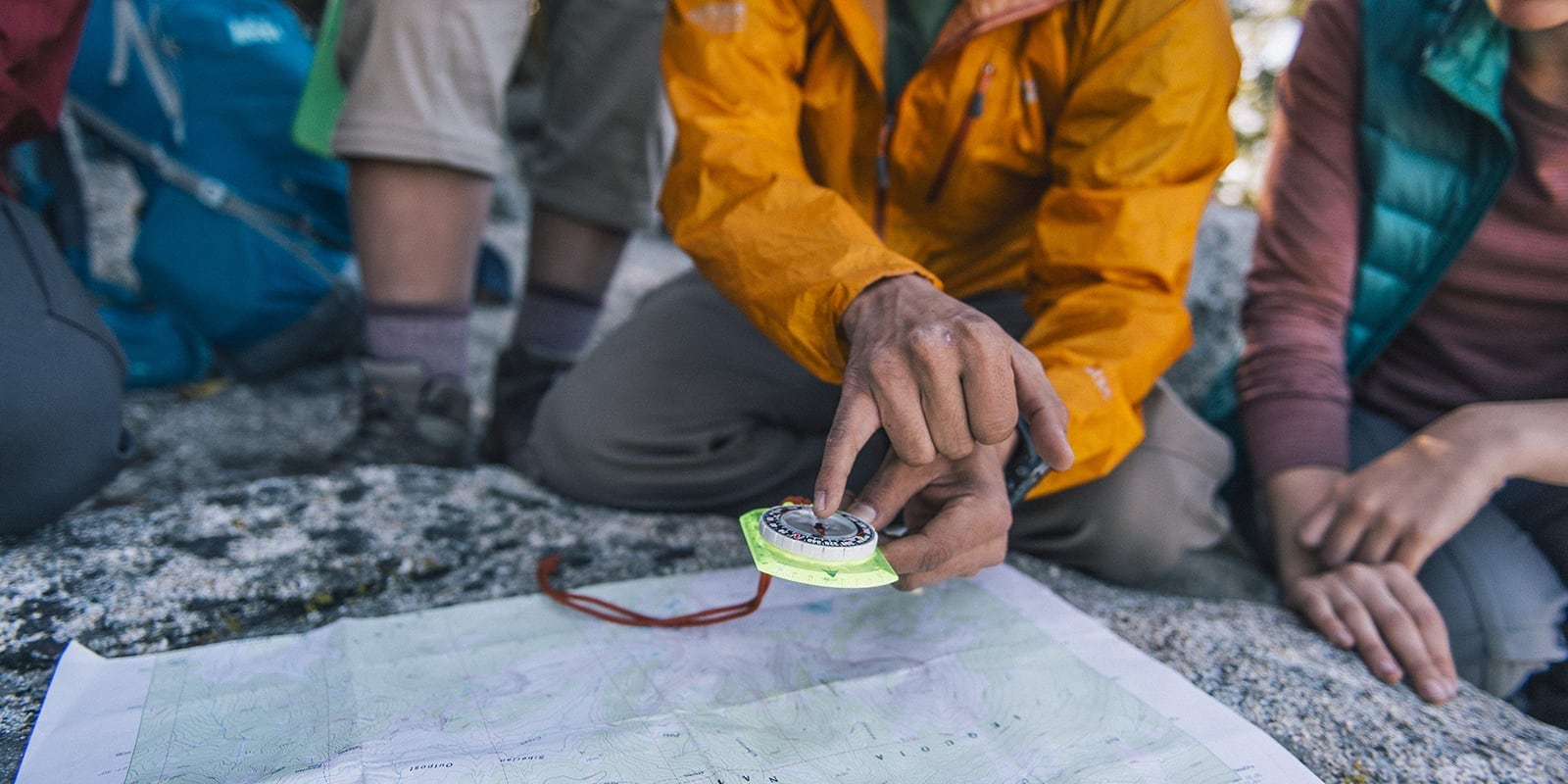
3. Navigation with Map and Compass
Even with modern GPS devices, traditional navigation skills remain essential.
Electronic devices can lose signal or run out of battery power, but a map and compass will always work when used correctly.
4. Building an Emergency Shelter
If weather conditions become dangerous, an emergency shelter can help protect you from wind, rain, and cold temperatures.
A simple shelter made from branches, tarps, or natural materials can significantly reduce exposure risks.
5. Basic First Aid
Every camper should understand basic first aid techniques such as treating cuts, burns, and sprains.
According to the American Red Cross, carrying a small first aid kit and knowing how to use it is one of the most important safety precautions outdoors.
6. Signaling for Help
If you become lost or injured, signaling techniques can help rescuers locate you.
Whistles, signal mirrors, and fires are common ways to attract attention in emergency situations.
7. Food Safety and Storage
Improper food storage can attract wildlife and create dangerous encounters.
Campers should learn how to store food securely using containers or hanging systems when camping in bear country.
8. Weather Awareness
Understanding weather patterns can help campers avoid dangerous conditions such as storms or extreme cold.
Learning to recognize changing clouds and wind patterns can provide early warnings of incoming weather.
9. Knife and Tool Skills
A quality knife is one of the most useful survival tools in the wilderness.
Campers should know how to safely use knives and multitools for tasks such as cutting cordage, preparing food, and building shelters.
10. Staying Calm in an Emergency
Perhaps the most important survival skill is maintaining a calm mindset.
Panicking often leads to poor decisions. Staying calm allows campers to think clearly and use the skills they have learned.
Preparation Is the Best Survival Tool
Outdoor adventures are meant to be enjoyable, but preparation is critical for safety.
By learning these essential survival skills, campers can explore the wilderness with confidence while reducing the risks that come with spending time in remote environments.