

8 “Extinct” Animals That Were Later Found Alive

Throughout history, scientists have declared many species extinct after they disappeared from scientific records for decades—or even centuries. But in some remarkable cases, animals believed to be gone forever were later rediscovered alive. These “Lazarus species,” as they are sometimes called, have fascinated scientists and conservationists because they show that wildlife can sometimes survive undetected in remote areas.
According to the International Union for Conservation of Nature, rediscovered species often highlight how little humans still know about remote ecosystems and how important habitat protection can be for preventing permanent extinction.
Here are eight animals once believed extinct that were later found alive.
Coelacanth
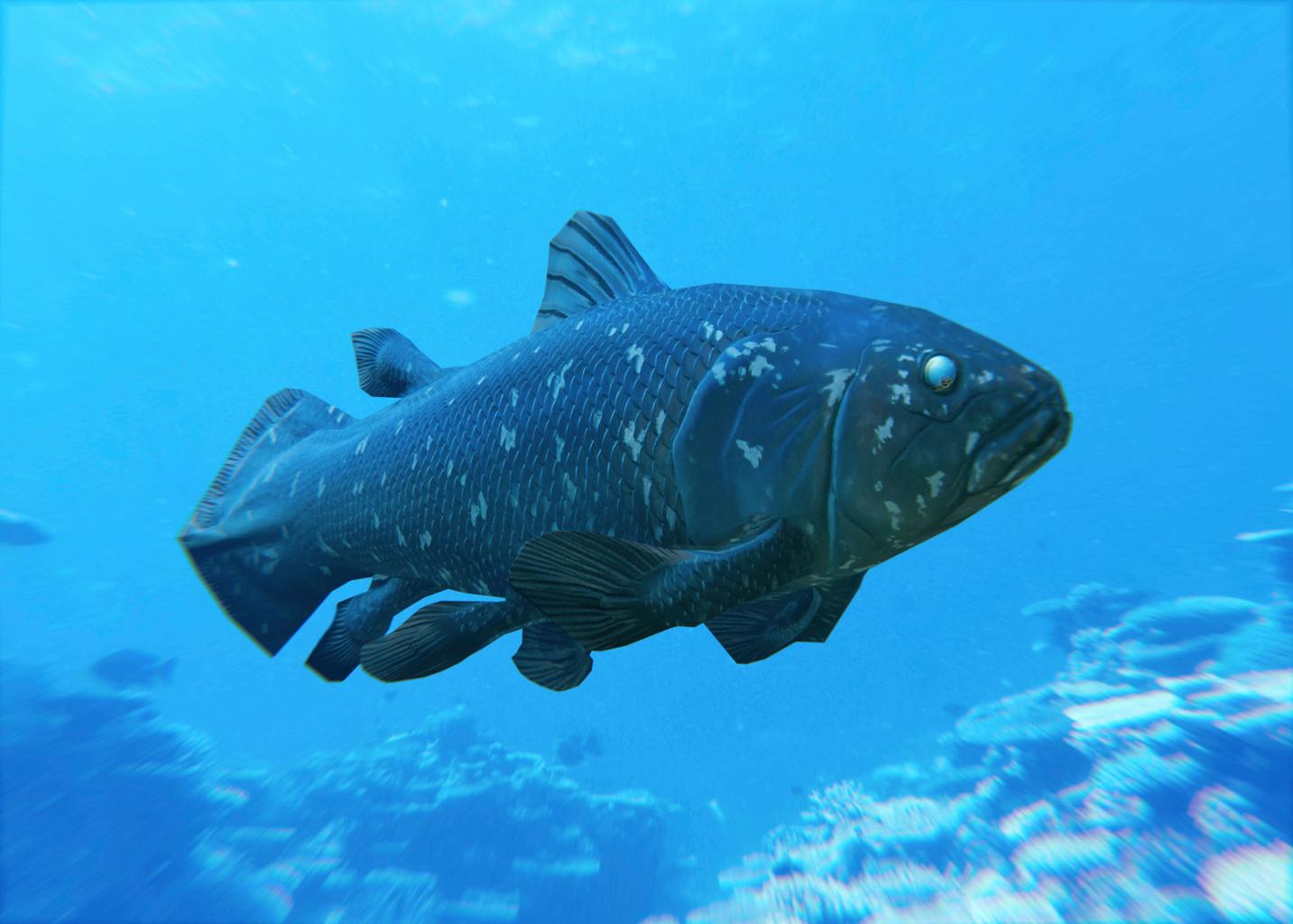
One of the most famous rediscoveries in scientific history is the Coelacanth, a prehistoric fish thought to have vanished with the dinosaurs about 66 million years ago.
In 1938, a living coelacanth was unexpectedly discovered off the coast of South Africa. According to the Smithsonian Institution, the discovery shocked scientists and proved that the species had survived in deep ocean waters.
Today, coelacanths are considered living fossils and remain extremely rare.
Lord Howe Island Stick Insect
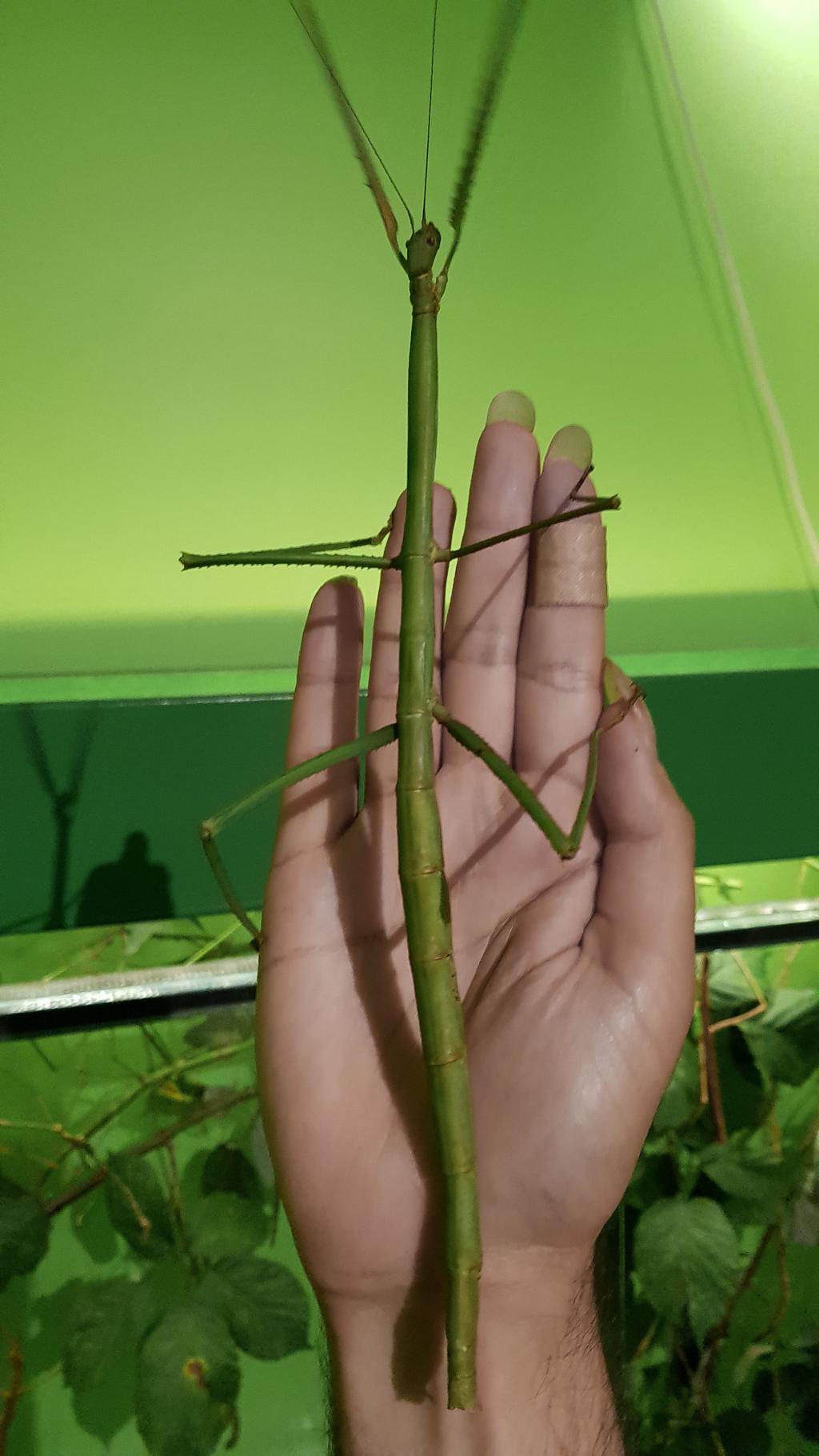
The Lord Howe Island Stick Insect was once believed extinct after invasive rats wiped out the population on Australia’s Lord Howe Island in the early 1900s.
However, in 2001 scientists discovered a small surviving population on Ball’s Pyramid, a rocky sea stack hundreds of miles away. According to the Australian Museum, the rediscovery is considered one of the most dramatic insect conservation stories ever documented.
Takahe
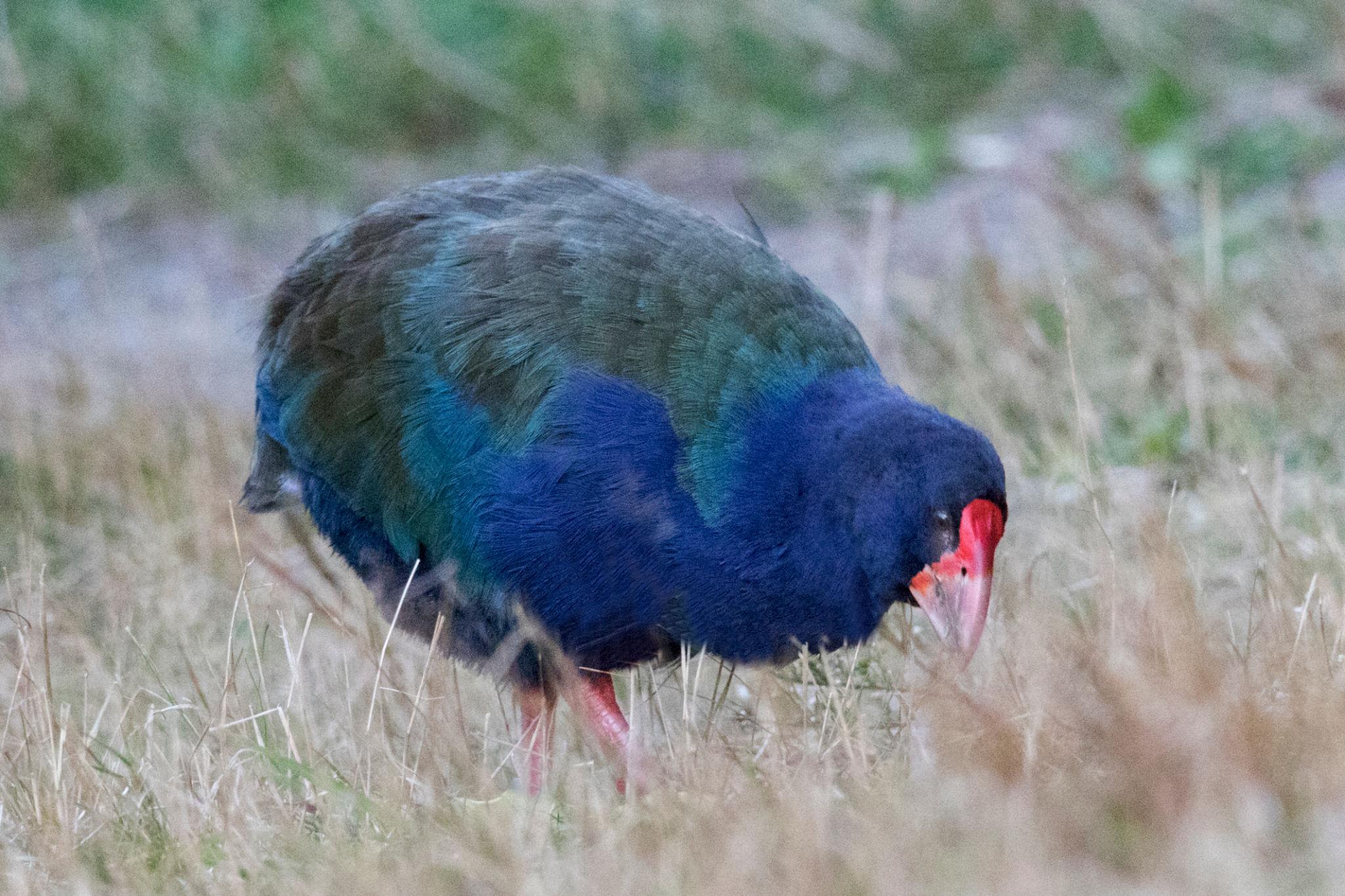
The Takahe was thought extinct for nearly 50 years until it was rediscovered in the mountains of New Zealand in 1948.
According to the New Zealand Department of Conservation, the bird had survived in remote alpine valleys where humans rarely traveled. Intensive conservation programs now help protect the remaining population.
Saola
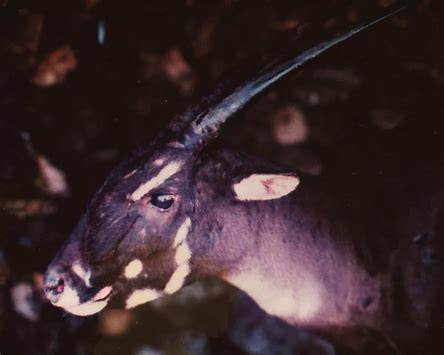
Often called the “Asian unicorn,” the Saola was completely unknown to science until it was discovered in the forests of Vietnam in 1992.
Although not technically rediscovered after extinction, scientists consider the animal one of the rarest large mammals on Earth. According to the World Wildlife Fund, the saola is so elusive that only a handful of confirmed sightings have occurred since its discovery.
Laotian Rock Rat
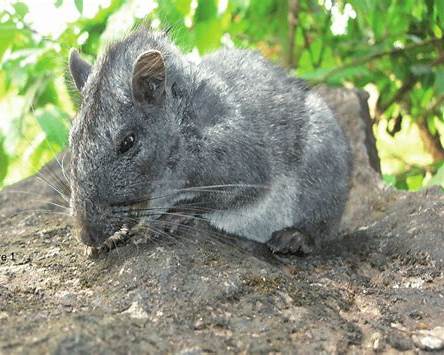
The Laotian Rock Rat surprised scientists when it was discovered in Laos in 2005.
Researchers later determined that the species belonged to a rodent family believed to have gone extinct about 11 million years ago. According to the University of Chicago, the discovery revealed that the ancient lineage had survived in Southeast Asia undetected.
Bermuda Petrel
The Bermuda Petrel, also known as the cahow, was believed extinct for more than 300 years after early European settlers arrived in Bermuda.
In 1951, scientists rediscovered a small population nesting on remote islets. According to the Bermuda Department of Environment and Natural Resources, the species has slowly recovered thanks to conservation efforts.
Mountain Pygmy Possum
The Mountain Pygmy Possum was known only from fossils until a living specimen was discovered in 1966.
Scientists working in Australia identified the animal in alpine regions where it had survived in cold mountain environments. According to the Australian Government Department of Climate Change Energy the Environment and Water, the species remains endangered but continues to survive with conservation support.
Somali Elephant Shrew
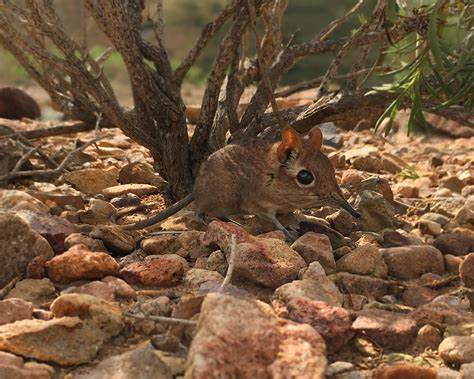
The Somali Elephant Shrew was believed extinct for decades until scientists rediscovered it in Djibouti in 2019.
Researchers working in the region confirmed the animal’s identity after trapping several individuals in rocky desert habitats. According to the Duke University, the rediscovery demonstrated how species can persist in overlooked environments.
Rediscoveries That Inspire Conservation
These remarkable discoveries show that extinction declarations are sometimes premature. In remote mountains, deep oceans, and dense forests, species can survive unnoticed for generations.
Scientists say rediscoveries provide hope for conservation efforts while also highlighting the importance of protecting wildlife habitats.
After all, in some corners of the world, animals we believe are gone may still be quietly surviving—waiting to be discovered again.