
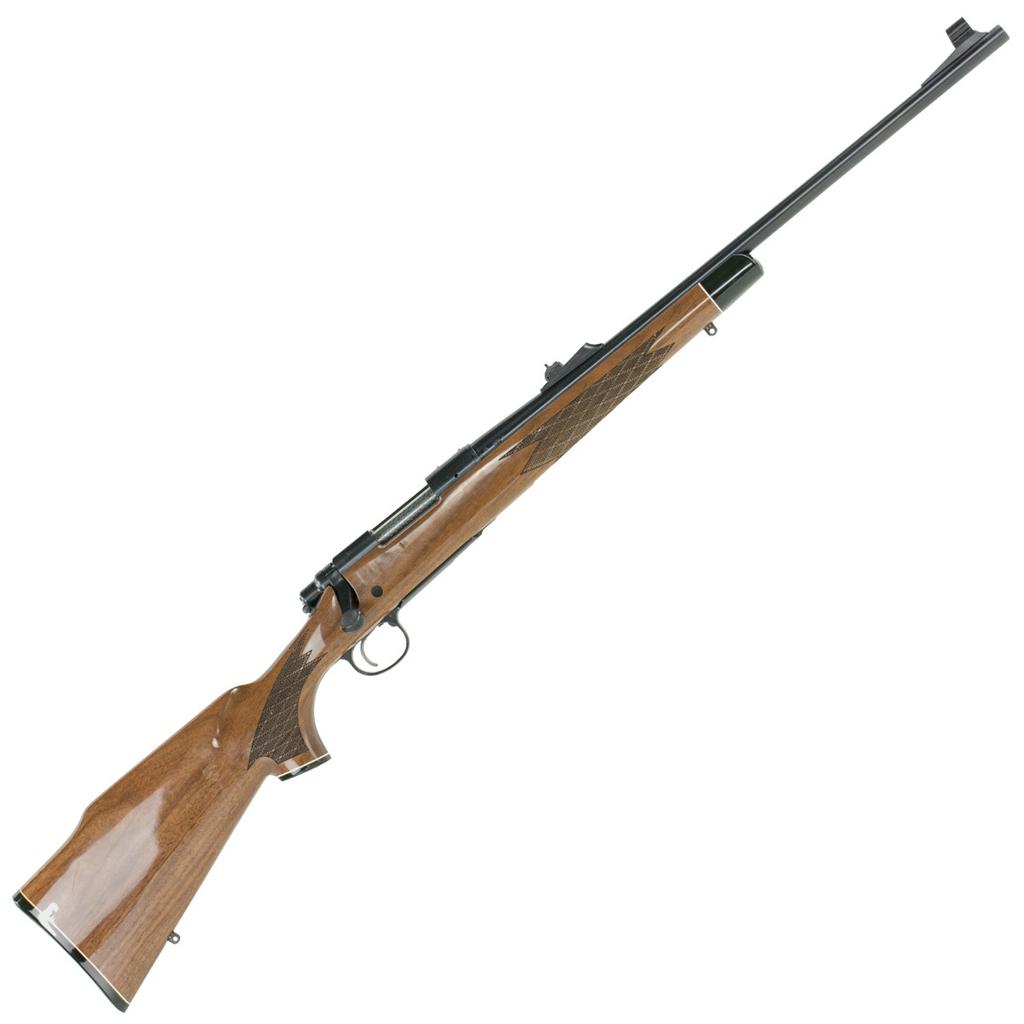
3 Hunting Rifles That Just Refuse to Quit—No Matter the Weather, Mud, or Abuse

Every hunter has a story about a rifle that simply never failed. It might be the old deer rifle that bounced around in the back of a truck for decades, survived rainstorms, freezing mornings, and dusty ranch roads, yet somehow still dropped deer every season without complaint. While modern rifles continue getting lighter, faster, and more feature-packed, experienced hunters often return to the same question when trust matters most: will the rifle work when conditions get ugly?
Reliability matters because hunting rarely happens in perfect conditions. Rifles get soaked in freezing rain, dragged through mud, bumped against rocks, and carried for miles across rough country. When the moment of truth arrives and an animal finally steps into range, hunters want confidence that the rifle will fire, feed, and perform exactly as expected. Over the decades, a handful of rifles have earned reputations for doing exactly that, but three models consistently stand above the rest.
Winchester Model 70: “The Rifleman’s Rifle”

Few hunting rifles have earned the level of trust and respect carried by the Winchester Model 70. Introduced in 1936, the rifle quickly built a reputation for ruggedness and dependability, eventually earning the nickname “The Rifleman’s Rifle.” According to firearm historians and Shooting Times, the Model 70 became one of the most respected bolt-action hunting rifles ever produced because of its reliability under harsh field conditions.
Much of the Model 70’s reputation comes from its controlled-round-feed system, particularly in pre-1964 models and later versions that returned to the original design. Unlike push-feed rifles, the large claw extractor grabs the cartridge as it leaves the magazine and controls it into the chamber. According to outdoor writers at MeatEater, many hunters believe this system reduces the chance of feeding problems when shooting quickly or cycling rounds under stress.
That reliability matters in places where mistakes can become expensive. Mountain hunters pursuing elk or sheep often carry rifles through snow, steep terrain, and sudden weather changes where equipment failure is not an option. The Winchester Model 70 built its reputation in those environments because hunters repeatedly found that it continued functioning after hard falls, wet weather, and years of rough use.
Even today, many experienced hunters still trust old Model 70 rifles that have already spent decades in the field. That kind of loyalty does not happen because of marketing—it happens because a rifle proves itself over time.
Remington Model 700: The Rifle That Earned America’s Trust

If the Winchester Model 70 represents classic durability, the Remington Model 700 represents consistency.
Introduced in 1962, the Model 700 quickly became one of the best-selling bolt-action rifles in American history. According to firearm records and industry reporting, millions of these rifles have been sold, making them a trusted choice for generations of deer, elk, antelope, and mule deer hunters.
Hunters gravitated toward the Model 700 because it combined reliability with exceptional out-of-the-box accuracy. Its push-feed bolt system proved dependable, while the rifle developed a reputation for maintaining zero and functioning consistently despite hard hunting conditions. According to longtime hunting discussions on forums such as The High Road and Shooters Forum, many hunters still describe older Model 700 rifles as dependable workhorses that continue performing decades after purchase.
Part of the rifle’s popularity comes from simplicity. Hunters learned that the rifle fed reliably, shot accurately, and required very little drama. That consistency helped establish enormous trust among sportsmen who cared more about dependable performance than flashy features.
Across whitetail camps and Western hunting trips alike, countless hunters still carry old Remington 700 rifles because they have already proven themselves through years of successful seasons. Many hunters believe there is something reassuring about carrying a rifle that has already worked a hundred times before.
Ruger M77 Hawkeye: Built Like a Tank

The Ruger M77 Hawkeye often receives less attention than the Winchester Model 70 or Remington Model 700, but hunters who own one tend to trust them completely.
Introduced in 1968 and inspired heavily by Mauser-style rifle designs, the M77 built a reputation for toughness. According to RifleShooter Magazine, the rifle became especially respected for its controlled-feed action, strong construction, and reliable three-position safety system.
Hunters often describe the M77 using the same word: tank.
The rifle may not always be the lightest option in camp, but many owners appreciate its solid construction and ability to withstand rough treatment. Whether bouncing around in an ATV, exposed to rain in a deer blind, or packed through thick brush for days at a time, the rifle developed a reputation for continuing to function regardless of conditions.
According to longtime discussions among hunters on the Ruger Forum and other outdoor communities, many sportsmen believe the M77’s durability rivals any bolt-action rifle ever made. That reliability has helped build a loyal following among hunters who spend serious time outdoors and want a rifle they do not have to baby.
Why Reliability Still Matters More Than Technology
Modern hunting rifles offer carbon barrels, lightweight chassis systems, adjustable stocks, muzzle brakes, and endless customization. While many of those upgrades provide genuine advantages, experienced hunters often care more about something much simpler: trust.
A rifle can have every modern feature imaginable, but none of it matters if the gun fails when a mature buck finally steps into range or an elk appears after miles of climbing. Reliability becomes even more important in remote areas where there are no second chances and no backup rifle waiting nearby.
That reality explains why so many hunters still cling to older rifles that have already proven themselves through hard weather and difficult hunts.
The Bottom Line
The Winchester Model 70, Remington Model 700, and Ruger M77 Hawkeye earned their reputations the old-fashioned way: through decades of real-world performance in conditions that tested both hunters and equipment.
These rifles survived freezing mornings, muddy boots, hard falls, dust, rain, and countless hunts where reliability mattered more than anything else. While newer rifles continue entering the market every year, many hunters still trust these classics because they know one thing for certain:
When conditions turn rough, these rifles tend to keep working.