


I love finding quick escapes from the city, and this guide helps you pick great hikes within an hour of DFW so you can get outside without a long drive. You’ll discover trails that suit short nature walks, hilltop views, and family-friendly outings—each chosen for easy access and rewarding scenery.
I’ll point out what matters most for a satisfying day on the trail: trail length and difficulty, parking and facilities, plus what natural features and wildlife you’re likely to see. Expect straightforward tips to help you plan faster trips to places like Cedar Ridge, Fort Worth Nature Center, and other nearby favorites.
1) Cedar Ridge Preserve
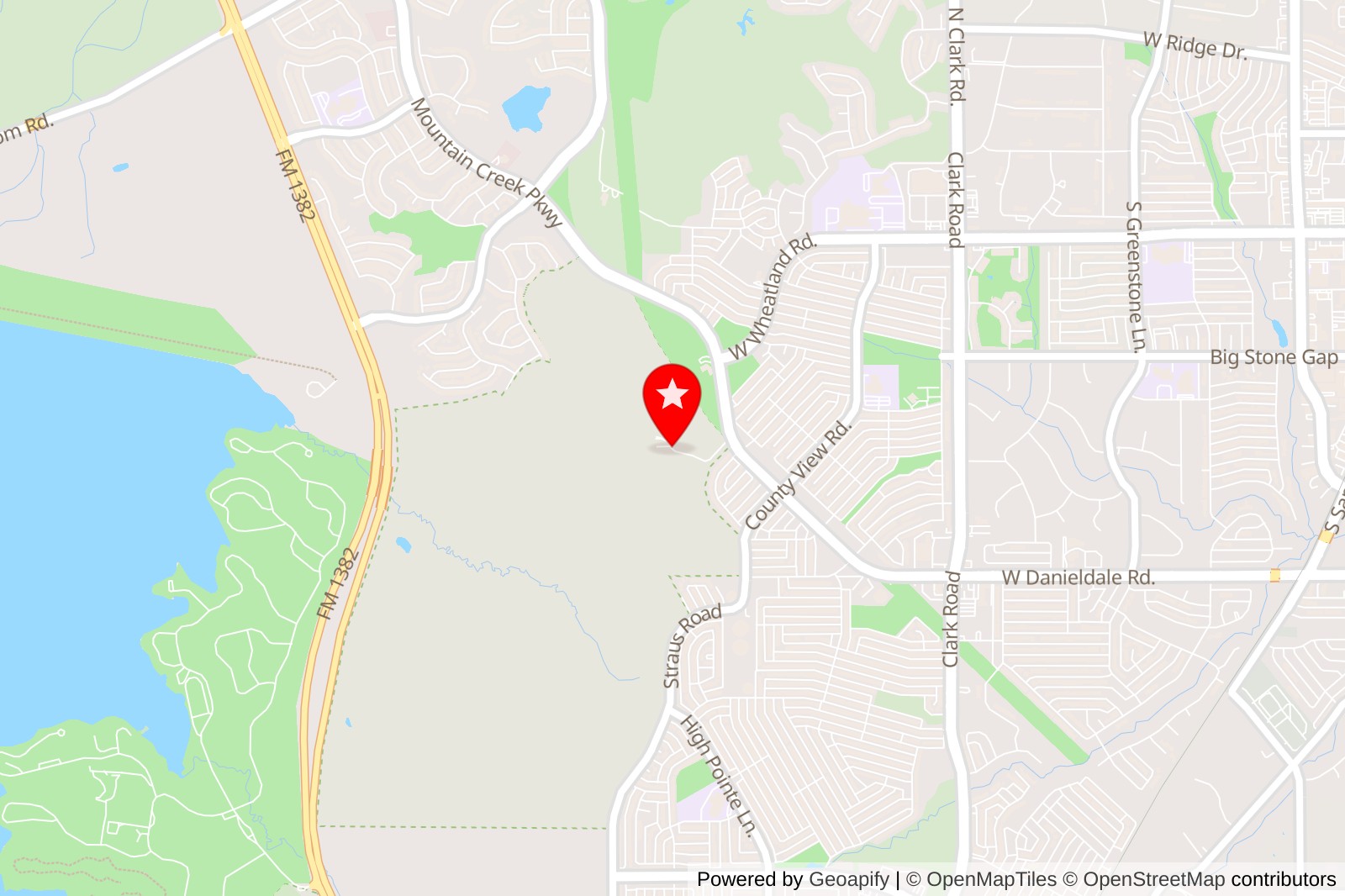
I hiked Cedar Ridge Preserve on a cool morning and found a surprising slice of Hill Country just 20 minutes from downtown Dallas. Trails wind through prairies, woodlands, and rocky escarpments; the variety kept the walk interesting and offered several good vantage points for photos. I followed part of the Escarpment Trail and got a clear, elevated view of the surrounding landscape.
The paths range from easy to moderately challenging, so I switched between casual stretches and steeper sections that raised my heart rate. The butterfly garden near the entrance bursts with native plants, and I spotted several species flitting among the flowers. Birdwatching felt rewarding: I heard and saw multiple songbirds and raptors while moving along quieter trails.
About nine miles of interconnected routes let me plan short loops or a longer day hike without repeating terrain. The preserve’s natural, unmanicured feel makes it a great place to disconnect for an hour or spend most of a day exploring. I recommend bringing water and good shoes for the rockier segments.
Rating: 4.8 (5523 reviews)
Location: 7171 Mountain Creek Pkwy, Dallas, TX 75249
Contact: (972) 709-7784
Website: Visit Website
2) Fort Worth Nature Center & Refuge
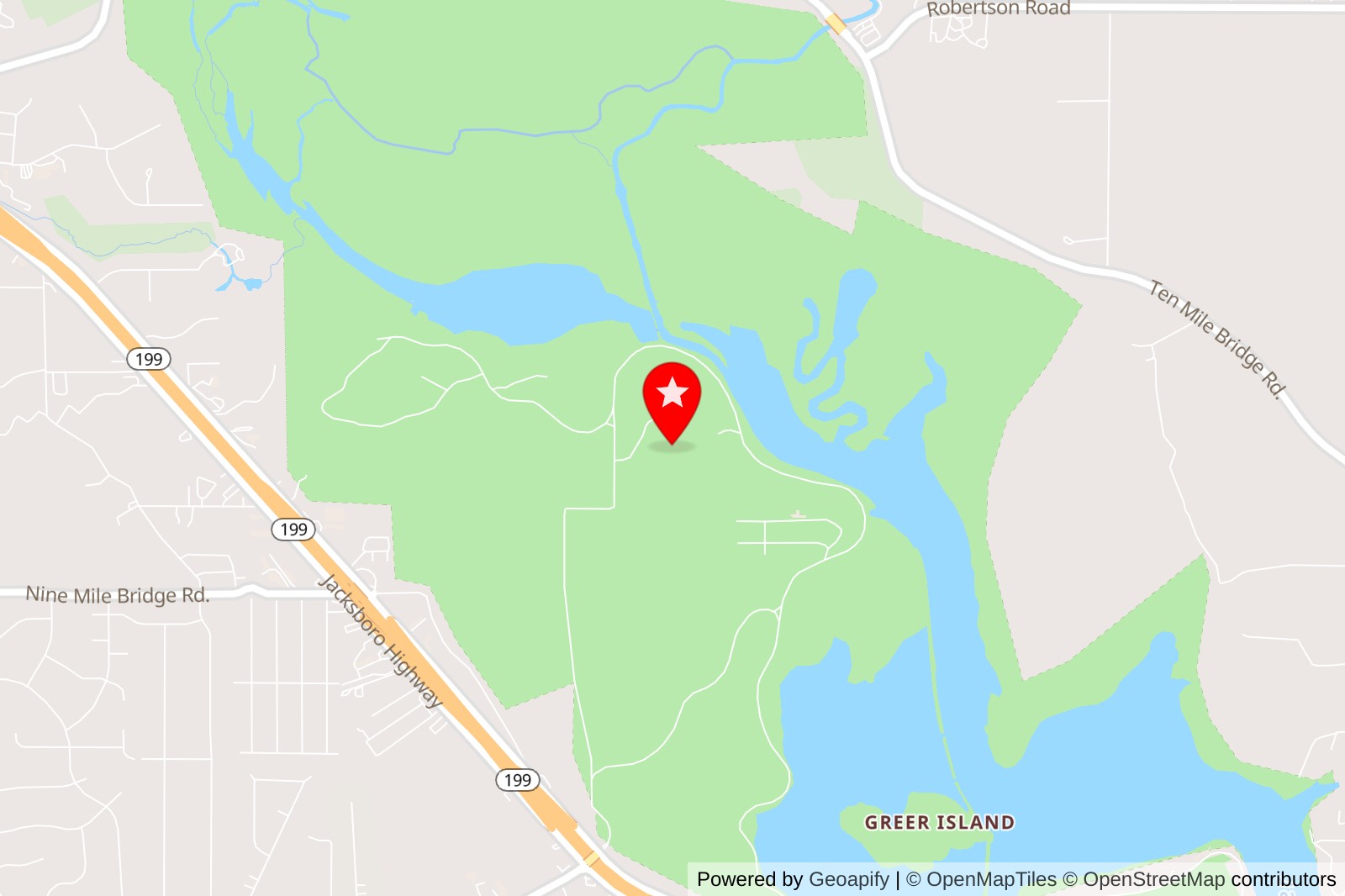
I started at the Hardwicke Interpretive Center and picked up a trail map before heading out. The preserve feels vast immediately — prairie, river bottomland, and wooded ridges open up across well-marked paths that stretch for miles.
I followed a mixed loop that passed wetlands where I watched herons and heard woodpeckers. The trails vary from easy boardwalks to more rugged singletrack, so you can choose a short nature walk or a longer, quieter hike that feels remote despite being close to the city.
I spotted deer grazing near a creek and caught glimpses of alligators basking in the sun; the wildlife viewing is a major draw. Signage explains local ecology and history, and the staff at the center were helpful when I asked about current trail conditions and bison viewing updates.
Parking and entry are straightforward, and I appreciated the clear hours and modest admission for day use. Dogs are allowed on leash, and photography permits are available if you plan a shoot.
Rating: 4.7 (1878 reviews)
Location: 9601 Fossil Ridge Rd, Fort Worth, TX 76135
Contact: (817) 392-7410
Website: Visit Website
3) Marion Sansom Park
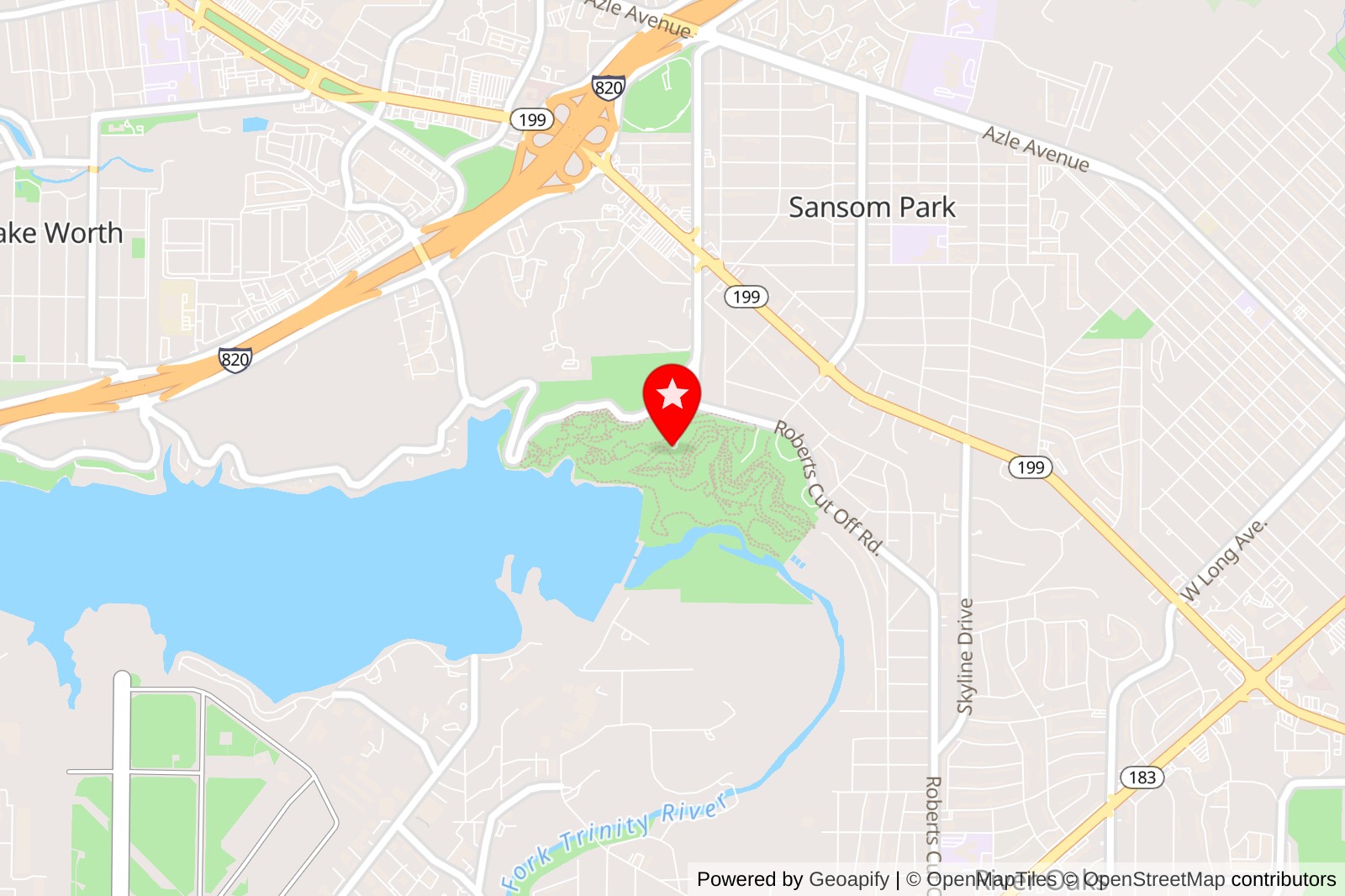
I parked near the trailhead and immediately noticed the limestone bluff dropping toward Lake Worth. The views from the top feel wide and quiet, with prairie plants and scattered trees framing stretches of the river below.
I followed a downhill singletrack that the local mountain bike group maintains; the trail alternates between rocky technical sections and smoother, fast stretches. A short steep hike brought me to a scenic waterfall—small but surprisingly peaceful—and several overlooks that reward a little effort.
The park’s history shows in the rustic Inspiration Point shelter built by the CCC. I sat on a picnic bench under the shelter and could picture generations of visitors using the fireplace ovens and taking in the same vistas.
Wildflowers and native prairie species dot the slopes; I spotted pale-leaf yucca and Engelmann’s sage among the limestone outcrops. Trail options range from intermediate to expert, and the park serves as an official canoe launch for the Trinity River Paddling Trail if you want to combine paddling with hiking.
Rating: 4.5 (2,169 reviews)
Location: 2501 Roberts Cut Off Rd, Fort Worth, TX 76114
Contact: (817) 392-5700
Website: Visit Website
4) Oak Cliff Nature Preserve

I arrived at dawn and found a surprising pocket of woods and wildflower meadows tucked inside the city. The trails are narrow, winding, and well-used, so you frequently pass runners, families, and mountain bikers sharing the route.
I rode a short loop on the multi-use trail network and appreciated how the terrain changes from shaded oak stands to open meadows. The trails handle post-rain traffic well most of the time, though I still avoided the muddier sections and followed the signs to minimize damage.
I noticed clear trail etiquette in practice—cyclists yield to pedestrians and everyone keeps dogs leashed. Volunteers and DORBA stewardship signs are visible, which keeps the place maintained and welcoming for regular visits.
Parking and the main trailhead are straightforward to find, making this an easy half-day outing from central Dallas. Bring water, a map (or phone), and expect a mix of solitude on outer loops and more activity near the white trail.
Rating: 4.5 (1080 reviews)
Location: 2875 Pierce St, Dallas, TX 75233
Contact: (972) 696-9810
Website: Visit Website
5) Eagle Mountain Park
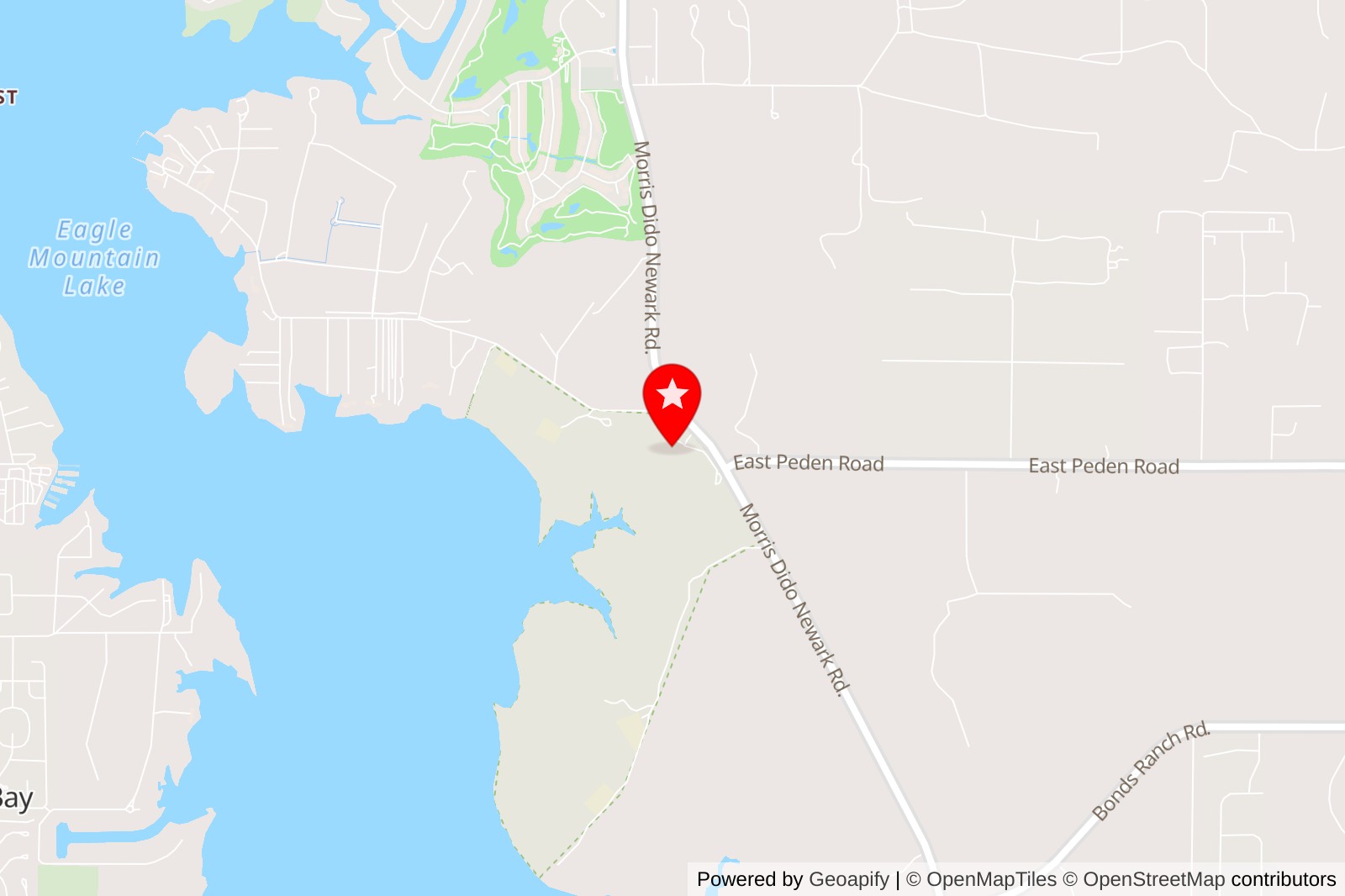
I hiked several of the winding trails at Eagle Mountain Park and found the terrain pleasantly varied — rocky ridges give way to shaded creek crossings. The paths are well-maintained, and I appreciated the clear signage at junctions that keeps navigation simple even on longer loops.
The overlook rewards a moderate climb with broad views of the reservoir and surrounding green space; I stopped there to rest and take photos. Wildlife sightings were frequent: I saw songbirds, rabbits, and evidence of deer, which made the walk feel peaceful and natural.
Facilities are minimal but practical. I used the small parking area and the restroom near the trailhead, then set off on a route that combined both open prairie and wooded shade for a balanced hike.
The park’s 400 acres feel roomy without being overwhelming, so it works well for shorter after-work hikes or a half-day outing. Trails connect smoothly and the landscape changes enough that the route stayed interesting the whole time.
Rating: 4.7 (1590 reviews)
Location: 11601 Morris Dido Newark Rd, Fort Worth, TX 76179
Contact: (817) 335-2491
Website: Visit Website
Essential Tips for Hiking Near Dallas-Fort Worth
I focus on timing, gear, and weather so you can plan safe, comfortable hikes within an hour of DFW. Read the short, practical guidance below to pick the best hours, pack the right items, and handle North Texas weather.
Best Times to Hike
I avoid midday heat from late spring through early fall. For most DFW-area trails I aim for early morning starts between 6:00–8:30 AM to catch cooler temperatures and calmer winds. In winter I shift to late morning when temperatures are warmer and trails dry out.
Weekdays and early mornings also reduce crowds on popular spots like Arbor Hills or the Fort Worth Nature Center. If I plan a longer route, I schedule return before peak sun (usually by noon) in summer. For photographing skyline views, I target golden hour around sunrise or sunset and check park gate times in advance.
What to Pack for Local Trails
I pack water first: at least 1 liter for short walks and 2–3 liters for longer or hotter hikes. I carry a lightweight daypack with a brimmed hat, sunscreen (SPF 30+), sunglasses, and a simple first-aid kit with blister care. Sturdy trail shoes or hiking sandals with good traction work well on mixed surfaces.
I include a printed trail map or offline map on my phone and a portable battery. For safety I bring a whistle and headlamp if there’s any chance I’ll be out after dusk. In colder months I add an insulated layer and a packable rain shell. If I bicycle or run, I swap items for lighter, sport-specific gear.
Weather Considerations
North Texas weather can change quickly, so I check local forecasts (including heat index and wind) the morning of my hike. During summer I watch for Excessive Heat warnings and avoid strenuous routes when the heat index exceeds 100°F. Thunderstorms are common in spring and summer; I postpone hikes if radar shows storms within a 30–50 mile radius.
I pay attention to trail conditions after heavy rain—low areas and creek crossings can flood. In winter I look at freeze–thaw cycles that create icy patches on shaded sections. When forecasts show high pollen counts, I bring antihistamines and close contact lenses if needed.
Wildlife and Natural Features to Expect
I’ll point out the plants and animals you’re most likely to see on DFW-area trails and describe the key landforms and viewpoints that define each hike. Focus on species identification, seasonal cues, and the terrain that shapes trail difficulty and scenery.
Spotting Texas Flora and Fauna
I often find cedar elm, post oak, and live oak dominating the canopy on local preserves like Cedar Ridge and Arbor Hills. Look for yaupon, prickly pear cactus, and blackbrush along drier slopes; native wildflowers such as Indian paintbrush and bluebonnets appear in spring meadows.
Birdwatching is rewarding: northern mockingbirds, red-tailed hawks, and american kestrels are common, while green herons and belted kingfishers show up near rivers and lakes. I carry binoculars for warblers and kinglets during migration months.
Mammal sightings include white-tailed deer at dawn or dusk, eastern cottontails in brushy edges, and occasional raccoons near water. I stay alert for snakes—western diamondbacks and nonvenomous rat snakes—especially on rocky, sun-exposed trails. Pack water, wear closed-toe shoes, and respect wildlife distances when photographing or observing.
Scenic Views and Terrain Types
Trails within an hour of DFW offer varied terrain: limestone ridgelines, riparian corridors, and grassy prairie flats. I climb short, rocky ascents at Cedar Ridge for skyline views; those sections have loose scree and exposed roots, so I use trekking poles when needed.
Along rivers like the Trinity or smaller creeks, I walk shaded, flatter boardwalks and enjoy reflective water corridors that attract waterfowl and dragonflies. Expect compacted dirt and gravel on urban greenbelt paths, which are stroller- and bike-friendly.
Elevation changes are modest—typically 100–300 feet—but can feel steep over short distances. I check trail maps for switchbacks and lookout points; benches and picnic areas often mark the best photo spots. Trail surfaces and exposure influence pace more than distance, so I plan time for uneven footing and viewpoint stops.