
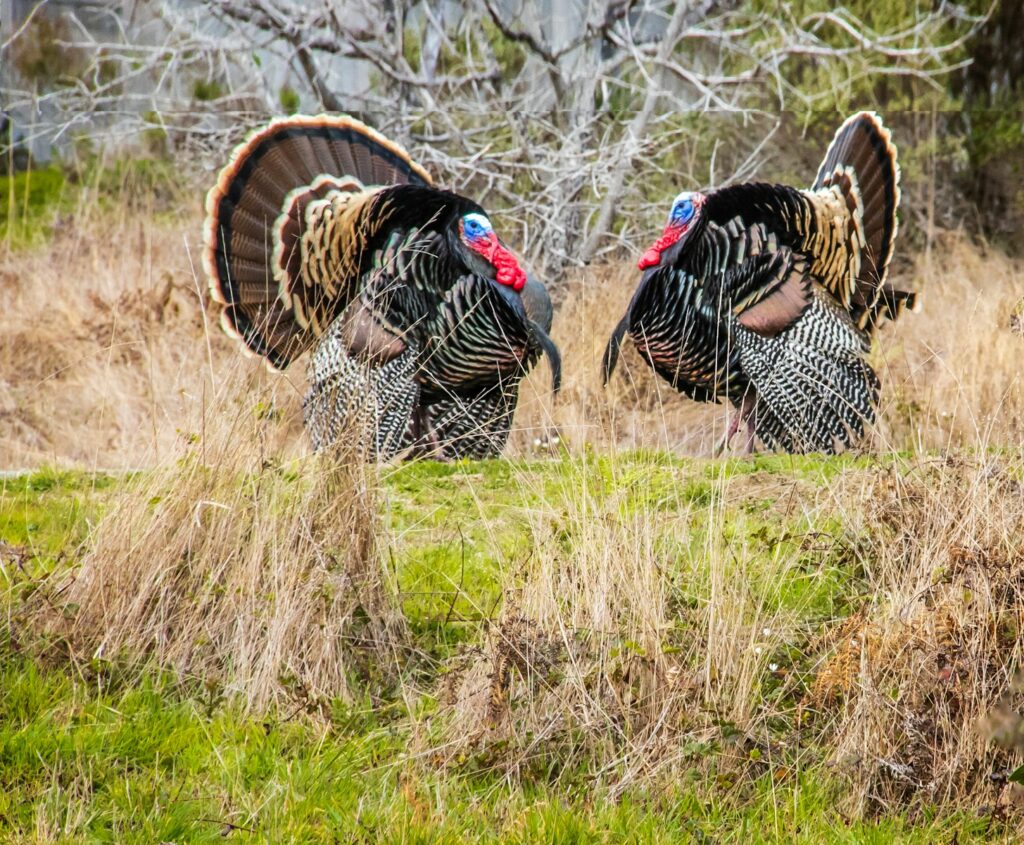
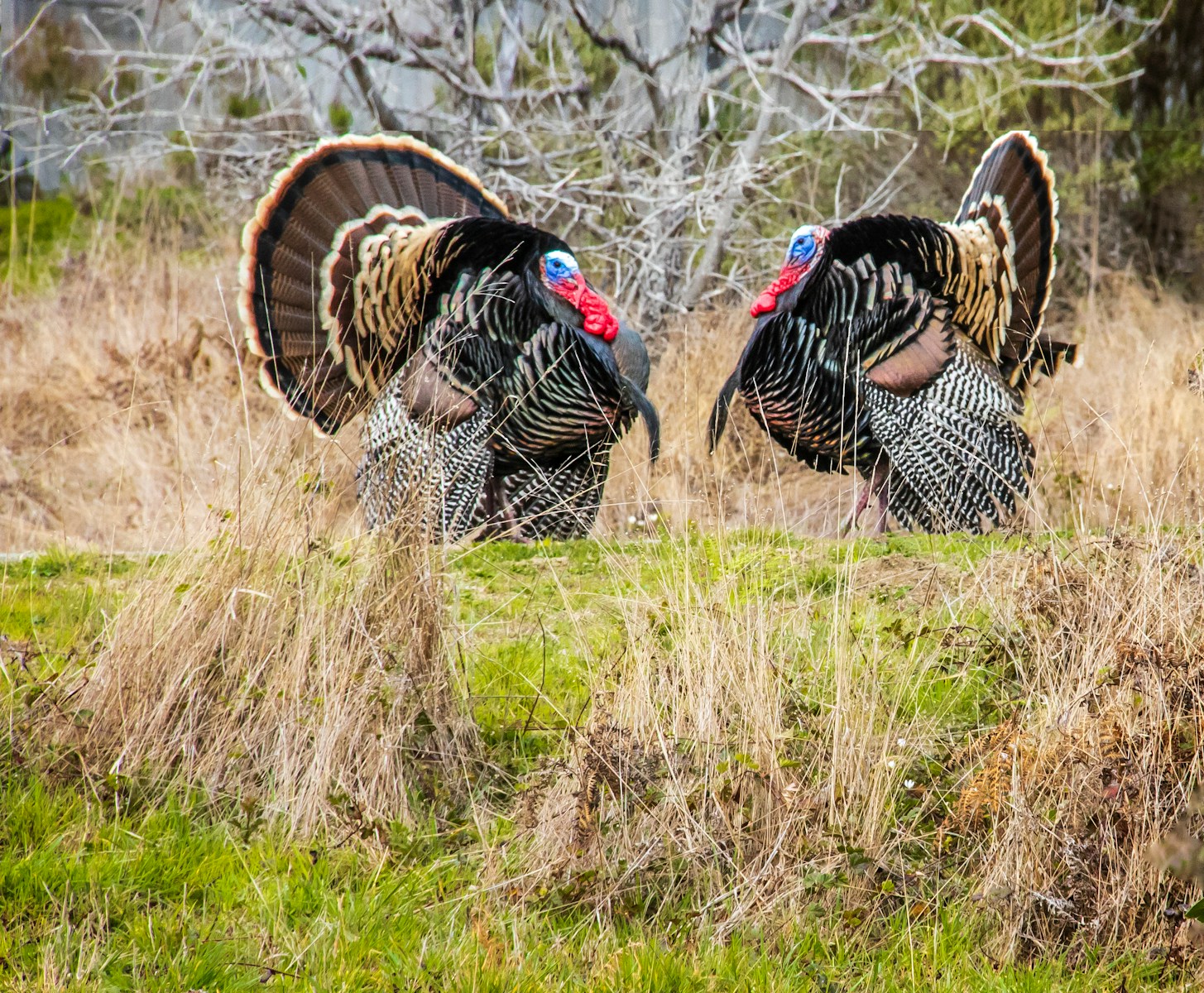
You aim to test your turkey-hunting skills across the country, and the Turkey Grand Slam gives you a clear, attainable target: harvest the four primary U.S. wild turkey subspecies—Eastern, Rio Grande, Merriam’s, and Osceola (Florida)—and register them with the National Wild Turkey Federation. Completing the Grand Slam proves you can find and take very different turkeys in varied habitats, from eastern hardwoods to western plains and Florida palmettos.
Overview of the Turkey Grand Slam
The Turkey Grand Slam requires you to harvest four specific North American wild turkey subspecies and register each bird with the National Wild Turkey Federation. It tests your ability to find and take Eastern, Osceola (Florida), Rio Grande, and Merriam’s turkeys across different habitats and seasons.
Definition and Criteria
The Grand Slam means you must harvest and register the four primary U.S. wild turkey subspecies: Eastern, Osceola (Florida), Rio Grande, and Merriam’s. Each bird must be legally taken during open season and in compliance with state and federal regulations where you hunt.
You register each harvest with the National Wild Turkey Federation (NWTF) to document completion. The NWTF verifies species identification and harvest details, so keep field notes, photos, and tags ready for submission.
Criteria exclude hybrids that cannot be reliably identified as one of the four subspecies. If you aim for variations such as the single-season Grand Slam, you must harvest all four within one regulatory season—confirm rules and deadlines with the NWTF before you start.
History and Origins
The Grand Slam concept originated with organized turkey hunting challenges in the late 20th century as hunters sought to document achievements across subspecies. The National Wild Turkey Federation formalized registration and recordkeeping to standardize recognition and encourage conservation-minded hunting.
Early interest grew as hunters traveled regionally to pursue distinct subspecies found in varied landscapes—from eastern hardwoods to western plains and Florida flatwoods. The NWTF’s role expanded to include education, species verification, and habitat conservation tied to slam achievements.
Over time, the Grand Slam became a benchmark among turkey hunters, spawning related challenges (such as the Royal Slam) that add additional subspecies. The NWTF maintains historical records of registered slams and notable firsts for reference.
Notable Achievements
Notable Grand Slam achievements often highlight geographic breadth and timing. Hunters who complete a single-season Grand Slam demonstrate planning, travel logistics, and adaptability to different calling conditions and turkey behaviors.
Some records note very young or veteran hunters completing slams, illustrating accessibility across skill levels when you pursue proper mentorship and preparation. Guides, state wildlife agencies, and NWTF chapters frequently support hunters attempting slams with local intel and access.
The Royal Slam—Grand Slam plus a Gould’s turkey—is a common next goal and appears in many notable achievement lists. When you review NWTF registries, expect to find documented examples of single-season completions, multi-year pursuits, and slams tied to conservation contributions.
Significance in Competitive Turkey Hunting
Completing a Turkey Grand Slam demonstrates mastery across different habitats, calling techniques, and seasonal behaviors. It affects reputation, opportunities for guided hunts, and can require travel logistics and species-specific gear.
Turkey Subspecies Required
You must harvest the four North American wild turkey subspecies that define the Grand Slam: Eastern, Osceola (Florida), Rio Grande, and Merriam’s. Each demands different tactics because of range and behavior.
The Eastern occurs in woodlands across many states and requires stealth and soft calling; birds are wary and often roost in hardwoods. The Osceola is confined to peninsular Florida and favors dense palmetto and pine—calling can be more aggressive and approach distances shorter. The Rio Grande occupies the Plains and Southwest; they tolerate more open country and often feed in fields, so calling and concealment differ. Merriam’s lives in the Rocky Mountain foothills and broken timber, where elevation and variable weather influence your timing and gear.
Knowing seasonal timing, typical habitats, and legal tag requirements for each subspecies matters. You’ll need state permits and sometimes landowner permission for out-of-state hunts.
Recognition and Awards
You can register a completed Grand Slam with the National Wild Turkey Federation (NWTF) to receive official recognition. The NWTF issues certificates and keeps records; registered slams carry weight within the hunting community and can open doors to media, speaking, or guide referrals.
Local and national hunting clubs may spotlight achievers in newsletters or events. Some outfitters offer discounts or specials to documented slam hunters, and manufacturers sometimes feature accomplished hunters in promotional material. Keep careful harvest documentation—photos showing beard and spurs, date and location, and witness signatures—because organizations and outfitters frequently require verifiable proof before granting awards or publicity.
Preparation and Strategy
Plan logistics months in advance: research season dates, purchase licenses, book travel, and arrange access to private lands or guides. Map likely habitats and coordinate scouting trips or hire a local guide familiar with the target subspecies’ behavior.
Adjust your gear for each region—lighter clothing and insect protection for Florida; layered, cold-weather gear for Merriam’s country. Practice calling specific to each subspecies; carry multiple calls (box, slate, diaphragm) and know when to switch. Time your hunts around local nesting and mating cycles; morning and early evening are prime, but regional differences exist. Finally, budget for travel and contingencies, and prepare legally required harvest documentation so you can register the slam promptly.