
Outrage Grows After Japan’s Taiji Dolphin Hunt Ends With Hundreds Killed
A Controversial Hunt Sparks Global Reaction
The conclusion of Japan’s annual dolphin hunt in Taiji is once again drawing international outrage, after reports confirmed that 393 dolphins were killed and 84 captured during the most recent season.
The hunt, which takes place each year in the small coastal town of Taiji, has long been one of the most controversial wildlife practices in the world.
This year’s numbers have reignited debate across social media, conservation groups, and governments, with critics calling the scale of the hunt “deeply troubling.”
What Happens in Taiji
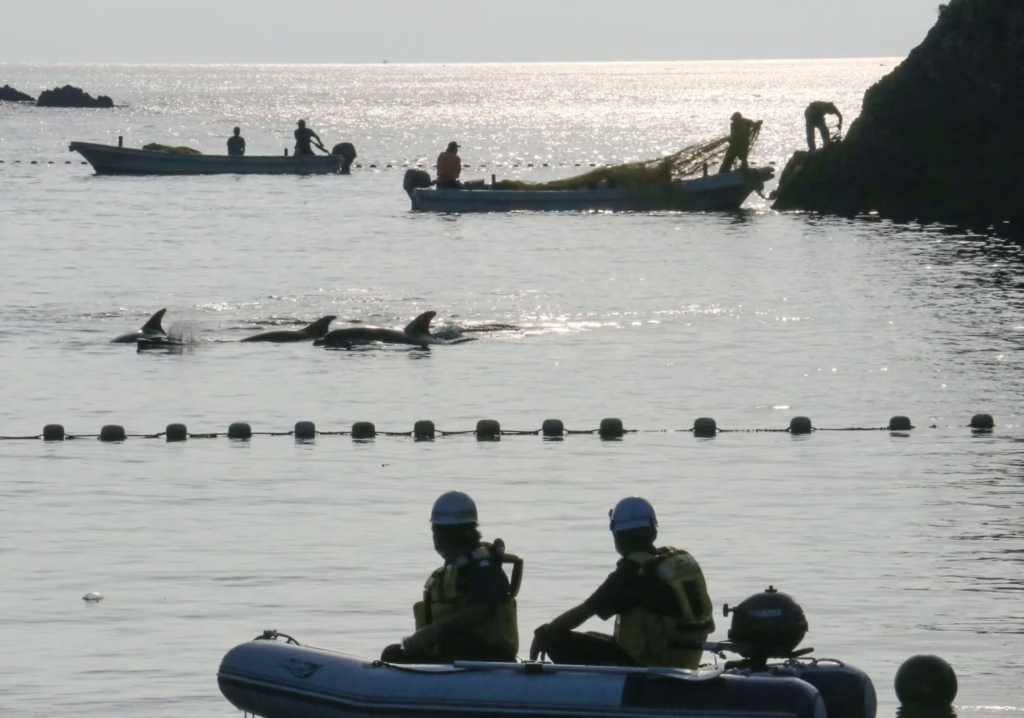
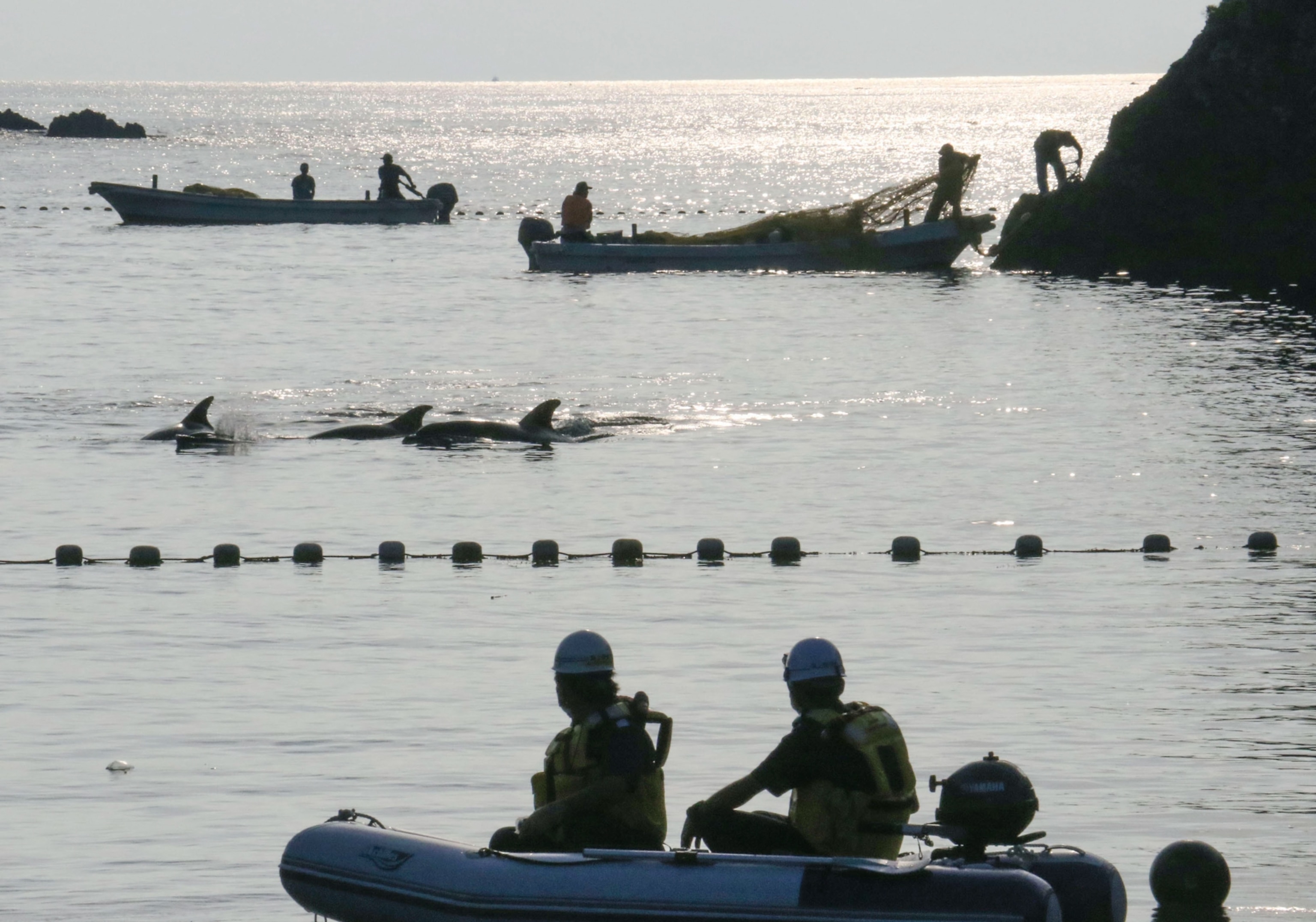
The Taiji hunt—often referred to as a “drive hunt”—involves fishermen herding pods of dolphins into a secluded cove using boats and noise barriers.
Once contained, the animals are separated.
Some are selected for captivity, while others are killed.
According to marine conservation reporting from the International Whaling Commission and environmental groups monitoring the hunt, dolphins chosen for aquariums can fetch significantly higher prices than those used for meat.
This economic incentive has become a major point of criticism.
Why Critics Are Speaking Out
Animal welfare organizations argue that the hunt raises serious ethical concerns.
According to the World Animal Protection, dolphins are highly intelligent, social animals capable of complex communication and emotional behavior.
Critics say the method used in the hunt causes prolonged stress and suffering.
Many also point to conservation concerns.
While Japan maintains that the hunt operates within regulated quotas, some researchers argue that long-term impacts on local dolphin populations are not fully understood.
The International Union for Conservation of Nature has emphasized the importance of monitoring marine species to ensure sustainable practices.
The Captivity Debate
Perhaps one of the most controversial aspects of the Taiji hunt is the capture of dolphins for marine parks and aquariums.
The 84 dolphins taken alive during this season are expected to be sold into captivity programs, both domestically and internationally.
According to advocacy groups and reporting tied to marine park supply chains, captive dolphins can be worth tens of thousands of dollars, far exceeding the value of those used for meat.
This has led critics to argue that the hunt is driven as much by profit as tradition.
Japan’s Response: Culture and Regulation
Japanese officials and local leaders continue to defend the practice.
They argue that dolphin hunting is a longstanding cultural tradition and a legal fishing activity.
According to statements from Japan’s Fisheries Agency of Japan, the hunt is conducted under established quotas and is considered sustainable.
Supporters also point out that other countries harvest marine life, questioning why Japan’s practices receive disproportionate criticism.
For residents of Taiji, the hunt is not just cultural—it’s economic.
A Growing Global Divide
The Taiji hunt has become a flashpoint in a broader global conversation about wildlife ethics.
On one side are those who see the practice as outdated and inhumane, particularly given modern understanding of dolphin intelligence.
On the other are those who argue for cultural sovereignty and the right to maintain traditional practices.
According to marine policy discussions referenced by the United Nations Environment Programme, conflicts like this highlight the challenge of balancing cultural traditions with evolving international conservation standards.
The Power of Public Attention
The hunt gained worldwide attention in part due to documentaries and viral media coverage, which brought images of the event to a global audience.
That visibility has fueled activism, protests, and calls for change.
At the same time, it has also intensified tensions between international critics and local communities.
What Happens Next
Despite ongoing criticism, the Taiji hunt continues year after year.
There is currently no indication that Japan plans to end the practice, though international pressure remains strong.
For now, the issue remains unresolved.
A Debate That Isn’t Going Away
The numbers—393 killed and 84 captured—are more than statistics.
They represent a clash between tradition, economics, ethics, and conservation.
And as global awareness grows, so does the intensity of the debate.
Because at its core, this isn’t just about one hunt in one town.
It’s about how the world decides which practices endure—and which ones are left behind.