
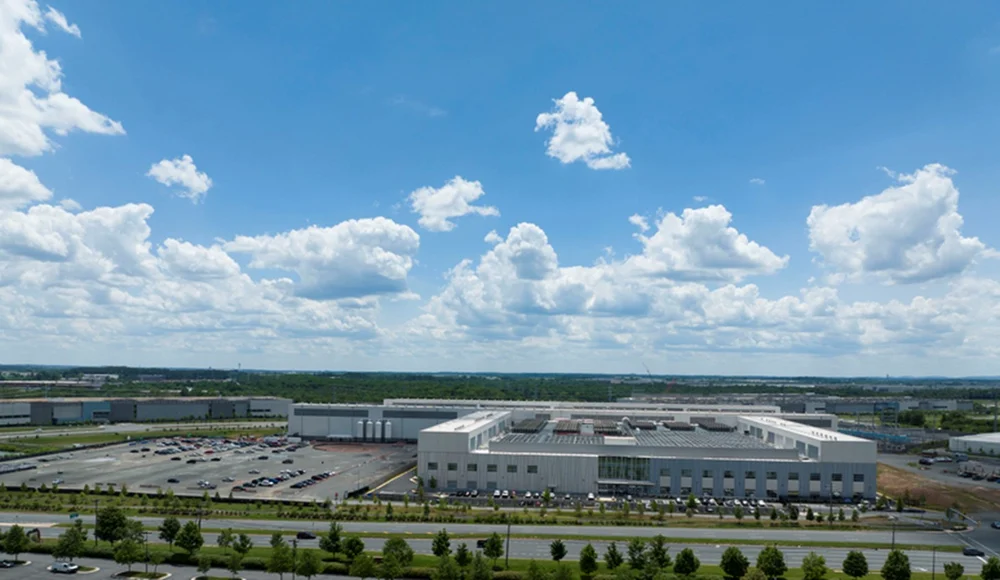
AI Is Thirsty—And Texas Water Supplies Are Paying the Price
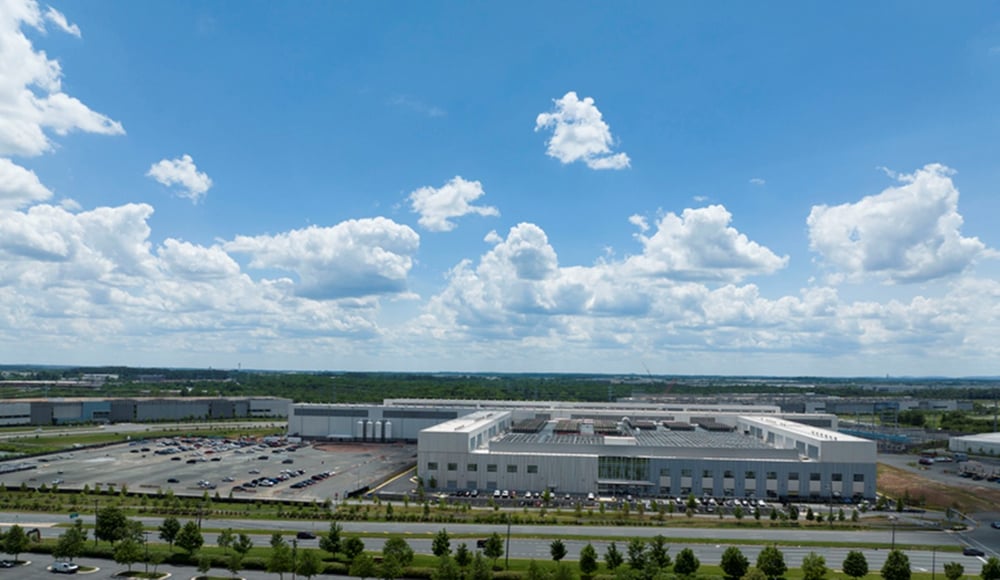
The Lone Star State Is Becoming a Tech Infrastructure Hub
Texas is quickly becoming one of the most important locations in the United States for data center development.
Major tech companies are investing billions into large-scale facilities across the state, driven by demand from cloud computing and artificial intelligence.
According to reporting from the Texas Tribune, Texas is on track to become one of the largest data center markets in the country as companies expand infrastructure to meet growing digital demand.
But while the growth is significant, it is also raising serious concerns about the long-term impact on power and water resources.
Why Tech Companies Are Choosing Texas
The appeal of Texas comes down to a combination of land, energy, and policy.
Abundant Land and Space
Data centers require massive footprints, often spanning hundreds or even thousands of acres.
Texas offers:
-
Large amounts of rural land
-
Lower costs compared to coastal states
-
Fewer zoning restrictions
This allows companies to build at scale in ways that are difficult in more densely populated regions.
Access to Power Infrastructure
Energy availability is one of the most important factors for data centers.
According to the Electric Reliability Council of Texas (ERCOT), the state operates an independent power grid that allows for faster interconnection and development of large energy users.
Texas also has a diverse energy mix, including natural gas, wind, and solar, which helps support high-demand operations.
Business-Friendly Environment
Texas has long promoted itself as a pro-business state.
According to analysis referenced by the Texas Tribune, fewer regulatory hurdles and faster permitting processes have helped accelerate data center construction compared to other states.
The AI Boom Is Driving Demand
Artificial intelligence is a major factor behind the surge in data center development.
Training and operating AI systems requires enormous computing power, which translates into increased energy consumption.
According to energy projections cited in reporting from the Texas Tribune, electricity demand tied to data centers is expected to grow rapidly over the next decade.
This demand is reshaping how infrastructure is built across the state.
The Power Problem: A Grid Under Pressure
One of the biggest concerns surrounding the data center boom is its impact on the power grid.
According to projections from the Electric Reliability Council of Texas (ERCOT), electricity demand in Texas could nearly double by 2030, with data centers playing a major role in that increase.
Additional reporting from the Texas Tribune notes that data center demand alone could account for tens of gigawatts of new load in the coming years.
This rapid growth is placing pressure on infrastructure that was not originally designed for such large, concentrated demand.
Energy experts warn that new generation and transmission projects will need to keep pace to avoid reliability issues.
The Water Problem: A Growing Concern
While electricity demand gets most of the attention, water usage is becoming a major issue.
Data centers generate significant heat and often rely on water-based cooling systems to maintain safe operating temperatures.
According to research from the U.S. Geological Survey, industrial water use—including cooling systems—can place significant strain on local water supplies, particularly in regions already experiencing drought conditions.
Reporting from the Houston Chronicle indicates that data center water consumption in Texas could reach tens of billions of gallons annually, raising concerns about long-term sustainability.
In many cases, this water is lost through evaporation and cannot be recovered.
Rural Texas Is Seeing the Biggest Impact
One of the most important shifts is where these data centers are being built.
Instead of focusing only on major cities, developers are targeting rural areas that offer:
-
Available land
-
Access to transmission lines
-
Fewer development restrictions
These regions often lack the infrastructure of larger cities, making the sudden increase in demand more noticeable.
According to reporting from the Texas Tribune, rural counties are becoming key locations for data center expansion, fundamentally changing local land values and development patterns.
A New Kind of Resource Boom
For decades, Texas land value has been driven by agriculture and energy production.
Now, data infrastructure is becoming a new driver.
Land near power lines, substations, and water access is becoming increasingly valuable as companies look for ideal locations.
This shift is being compared to previous economic booms in Texas—only this time, the resource isn’t oil.
It’s electricity and data.
The Bottom Line
Texas is emerging as a top destination for data centers because of its land availability, energy access, and business-friendly environment.
But that growth comes with real challenges.
According to the Electric Reliability Council of Texas (ERCOT) and reporting from the Texas Tribune, the state is facing rapidly increasing electricity demand that could strain the grid.
At the same time, data center cooling needs are placing additional pressure on water resources, particularly in drought-prone regions, as noted by the U.S. Geological Survey.
The opportunity is massive—but so are the risks.
As Texas continues to attract tech investment, the key question is no longer whether the state can support data centers.
It’s whether it can sustain them long-term without overwhelming its most critical resources.