
The Simple Practice Tool to Better Shooting That Costs Nothing

The Most Overlooked Skill in Shooting
Most shooters focus on ammo, optics, and gear—but overlook one of the most powerful tools for improving accuracy: dry fire practice.
Dry firing simply means practicing your shooting mechanics with an unloaded rifle. No recoil. No noise. Just you and your fundamentals.
And for many experienced shooters, it’s one of the fastest ways to improve.
According to training principles widely emphasized in shooting sports and marksmanship instruction, consistent repetition of proper fundamentals builds muscle memory that directly translates to better performance in the field.
Why Dry Firing Works
Shooting accurately isn’t just about pulling the trigger—it’s about everything leading up to that moment.
Dry firing isolates the most important elements:
-
Trigger control
-
Sight alignment
-
Breathing
-
Stability
Without recoil or noise, you can focus entirely on your form.
That’s where real improvement happens.
Mastering Trigger Control
One of the biggest causes of missed shots—especially in hunting—is poor trigger control.
Many shooters:
-
Yank the trigger
-
Anticipate recoil
-
Flinch at the shot
Dry firing helps eliminate all of that.
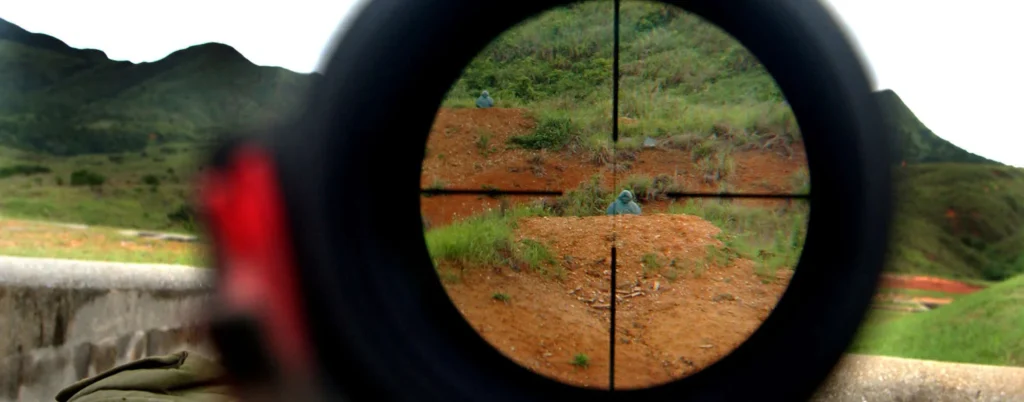
When you practice correctly, you can watch your reticle or sights as you pull the trigger. If your aim moves, you immediately know something went wrong.
Over time, you develop a smooth, consistent trigger squeeze.
Eliminating the Flinch
Flinching is one of the hardest habits to break.
It happens when your body anticipates recoil and reacts before the shot breaks.
Dry firing removes recoil entirely, allowing your brain to reset.
With enough repetition, you build confidence in the shot process—so when you go back to live fire, you’re far less likely to flinch.
Building Muscle Memory
Consistency is everything in shooting.
The more you repeat proper form, the more automatic it becomes.
Dry fire practice allows you to:
-
Practice mounting your rifle
-
Align your sights quickly
-
Get comfortable behind the trigger
And you can do it far more often than live fire.
Instead of shooting a few rounds at the range, you can get dozens—or even hundreds—of perfect repetitions at home.
Improving Real-World Hunting Shots
In hunting situations, you rarely get a perfect setup.
You might be:
-
Sitting against a tree
-
Shooting off sticks
-
Leaning over a pack
Dry firing allows you to practice these real-world positions without burning ammo.
You can rehearse:
-
Quick target acquisition
-
Controlled breathing
-
Clean trigger breaks
That preparation pays off when the moment actually matters.
A Cost-Effective Way to Get Better
Ammo isn’t cheap—and range time isn’t always convenient.
Dry firing costs nothing and can be done almost anywhere (with proper safety).
Many experienced shooters credit dry fire practice as one of the main reasons they improved without increasing their range time.
It’s efficient, accessible, and incredibly effective.
How to Practice Dry Firing Safely
Safety is critical.
Before any dry fire session:
-
Double-check that your rifle is unloaded
-
Remove all ammunition from the room
-
Point the rifle in a safe direction
Treat every repetition with the same discipline as a live shot.
What to Focus On During Practice
To get the most out of dry firing, focus on fundamentals:
-
Steady aim – Keep your reticle still
-
Smooth trigger pull – No jerking or slapping
-
Follow-through – Stay on target after the “shot”
-
Breathing control – Break the shot during a natural pause
Even just 10–15 minutes of focused practice can make a noticeable difference.
The Difference It Makes
The shooters who consistently make clean, accurate shots aren’t always the ones who shoot the most rounds.
They’re the ones who have mastered the fundamentals.
Dry firing builds that foundation.
It turns good shooters into great ones—and gives hunters the confidence to make ethical, precise shots when it counts.
A Simple Habit With Big Results
If you want to improve your accuracy, you don’t need more gear.
You need more repetition—and better repetition.
Dry firing is one of the simplest ways to get there.
Because when the moment comes—whether it’s on the range or in the field—you won’t be thinking about your shot.
You’ll just execute it.