
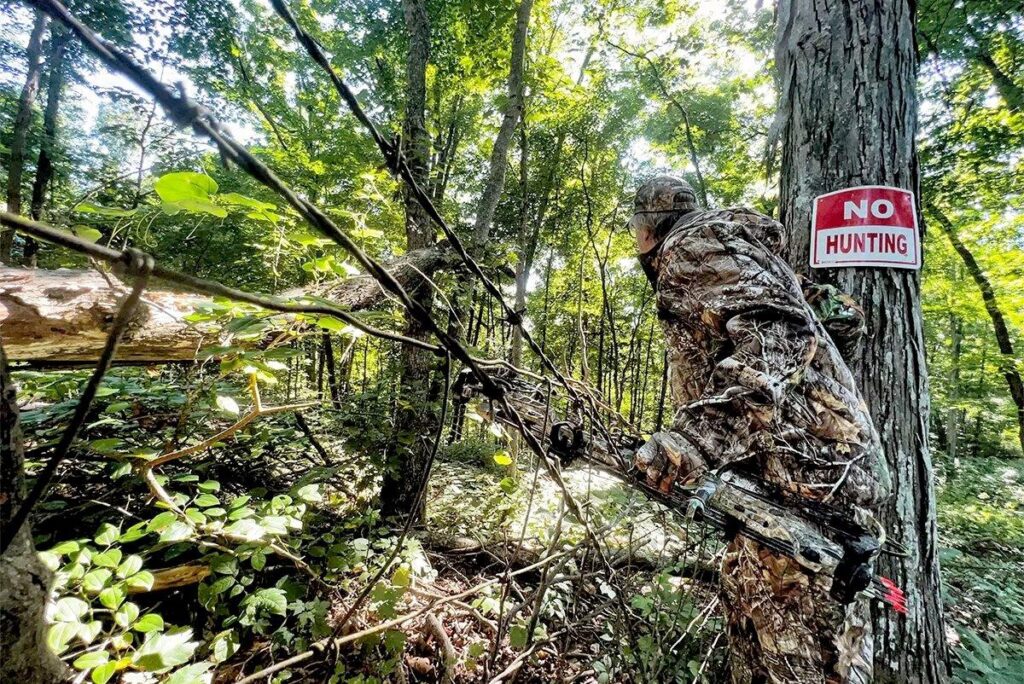
“It’s Our Land”—Family Says Hunters Are Using Property Without Permission, Sparking Legal Fight
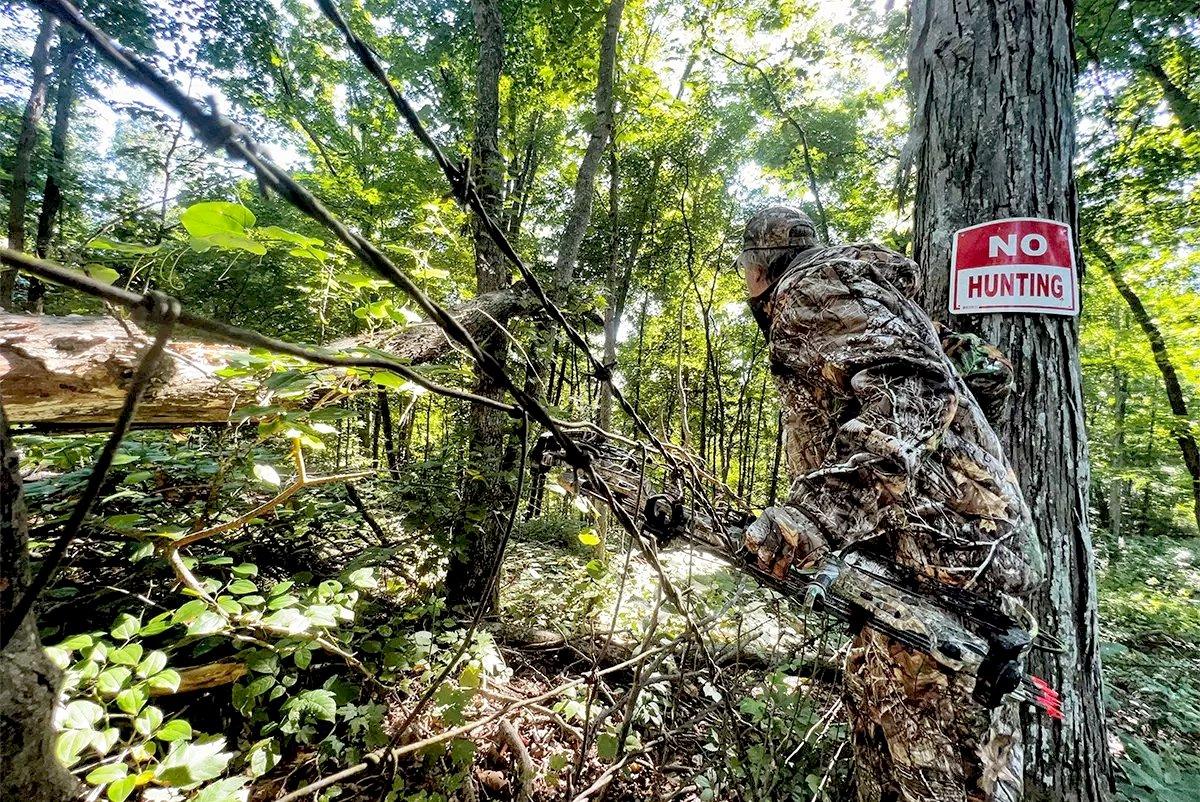
A family is speaking out after discovering that hunters have allegedly been using their private property without permission—raising serious questions about trespassing, land rights, and what protections landowners actually have.
What started as a routine check of their land quickly turned into something far more concerning.
“We Had No Idea This Was Happening”
According to the family, the issue came to light after noticing unusual activity on their property—tracks, spent shell casings, and eventually, trail camera footage that appeared to show individuals hunting on the land without consent.
In many rural areas, especially large tracts that aren’t constantly occupied, this kind of activity can go unnoticed for months—or even years.
For landowners, that’s part of the risk.
But once it’s discovered, it becomes a legal issue.
Understanding Trespassing Laws in Texas
In Texas, hunting on private land without permission isn’t just frowned upon—it’s illegal.
Under state law, individuals must have explicit permission from the landowner to hunt on private property. This typically means written or verbal consent, though written permission is always recommended to avoid disputes.
Trespassing can lead to:
- Fines
- Misdemeanor or even felony charges (depending on circumstances)
- Confiscation of equipment in some cases
The Texas Parks and Wildlife Department also emphasizes that hunters are responsible for knowing property boundaries and ensuring they have permission before entering any land.
Why It Happens More Than People Think
Situations like this aren’t as rare as some might assume.
Large rural properties—especially those used for recreation or held as investment land—can be difficult to monitor. Fences may be incomplete, signage may be limited, and boundaries aren’t always obvious on the ground.
In some cases, hunters may assume land is public or unoccupied. In others, they knowingly take the risk, believing they won’t get caught.
Either way, the responsibility falls on the person entering the property—not the landowner.
The Safety Concern
Beyond legality, there’s a much bigger issue at play: safety.
Unauthorized hunting introduces serious risks:
- Shooting near homes, livestock, or equipment
- Lack of coordination with landowners or other hunters
- Increased chance of accidents in areas that aren’t managed for hunting
For families who own and use their land, the idea of unknown individuals discharging firearms on their property is more than frustrating—it’s dangerous.
What Landowners Can Do
For those dealing with similar issues, there are a few key steps that can help protect property:
- Post clear signage (“No Trespassing” or “No Hunting”) along boundaries
- Maintain fences and gates where possible
- Use trail cameras to monitor activity
- Report violations to local game wardens or law enforcement
In Texas, properly posted land strengthens a trespassing case and removes any ambiguity about whether someone had permission.
A Growing Issue in Rural Areas
As more people purchase rural land—whether for recreation, hunting, or long-term investment—these types of conflicts are becoming more common.
Landowners may not live on the property full-time, and that gap creates opportunity for unauthorized use.
At the same time, access to hunting land is becoming more limited, pushing some individuals to take risks they shouldn’t.
It’s a combination that can lead to situations like this one.
The Bottom Line
For this family, what they thought was private land turned out to be anything but.
Now, they’re working to regain control of their property and make it clear that access without permission won’t be tolerated.
It’s a reminder for landowners and hunters alike:
If it’s not your land—and you don’t have permission—you shouldn’t be there.
Because in Texas, land ownership isn’t just a piece of paper.
It’s a right that carries weight—and one that’s protected by law.