
Aspiring UFC Fighter Killed in Rare Bear Attack in Canada

What began as an ordinary workday in remote northern Canada ended in tragedy after an aspiring mixed martial arts fighter chasing dreams of the UFC was killed in a rare bear attack while working at an isolated exploration site.
The victim, 27-year-old Hrishikesh Koloth, had moved to Canada from India with hopes of eventually stepping into a UFC cage. Instead, according to reporting from CBC News and later confirmed by India Today and NDTV, his life ended during a rare wildlife attack in the remote wilderness of Saskatchewan.
A Dream Bigger Than the Wilderness
Friends and family say Koloth wasn’t just casually training—he was fully committed to becoming a professional fighter.
According to reporting by India Today, Koloth had trained in mixed martial arts for more than a decade and moved to Canada about three years ago to pursue better opportunities while continuing to chase his long-term UFC ambitions. He reportedly trained with Skoden Martial Arts in Penticton, British Columbia, while balancing work to support himself.
His brother, Arjun Koloth, told CBC News that fighting wasn’t just a hobby.
“It was his dream,” Arjun said, according to India Today. “He wanted to fight in the UFC.”
Family members described him as someone who constantly pushed himself, taking fights on short notice and training whenever possible while working toward something bigger.
The Attack in Northern Saskatchewan
According to NDTV and India Today, the fatal attack happened on May 8 at a remote uranium exploration property called Zoo Bay in northern Saskatchewan, an isolated wilderness area located near Nordbye Lake, roughly 850 kilometers northeast of Saskatoon.
Koloth was reportedly working as a contract technician when the attack occurred.
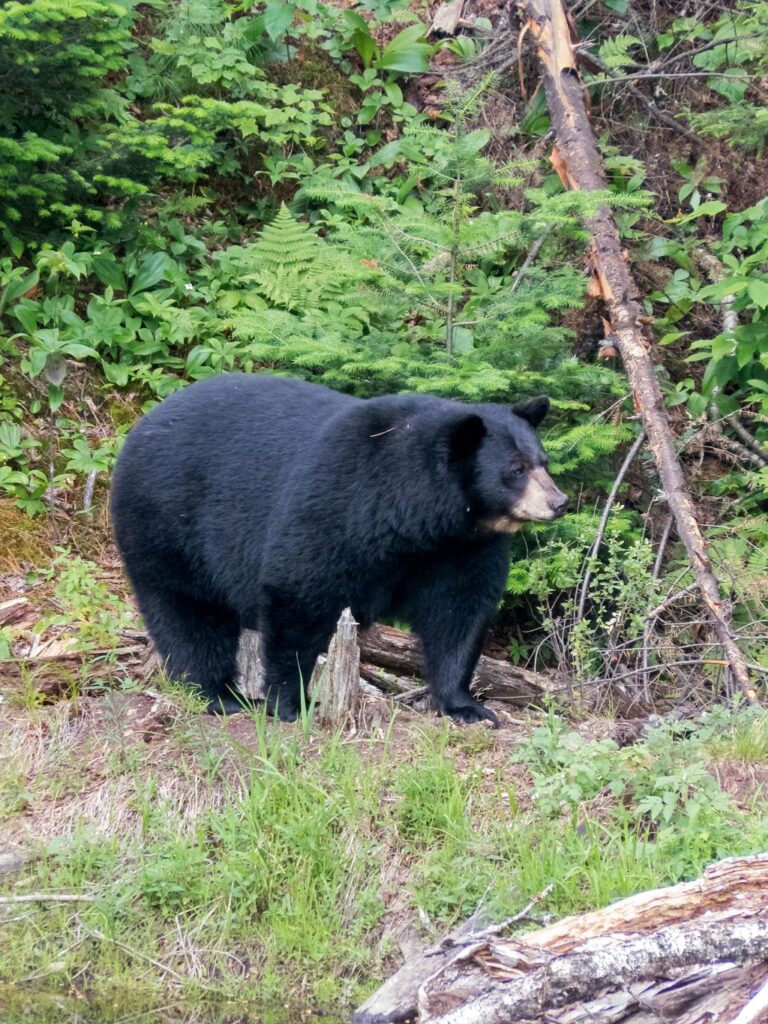
Authorities later confirmed the animal involved was a black bear.
According to CBC News, the incident happened in an extremely remote area where emergency response can be difficult due to terrain and distance from populated areas. A worker at the site reportedly shot and killed the bear after the attack.
The bear was later transported to the Western College of Veterinary Medicine in Saskatoon for examination. According to NDTV, wildlife officials planned to conduct a necropsy to determine the condition of the animal and whether illness, food scarcity, or other factors may have contributed to the attack.
A Rare and Terrifying Encounter
Fatal black bear attacks in Canada remain uncommon.
According to wildlife officials cited by CBC News and later summarized by Men’s Journal, Koloth’s death marked only the fourth recorded fatal bear attack in Saskatchewan’s history.
The rarity of the incident is part of what made the story so shocking.
Wildlife experts told CBC that black bears are generally less aggressive toward humans than grizzlies, though attacks can still happen—particularly during spring when bears emerge from hibernation hungry and searching aggressively for food.
Provincial wildlife authorities had reportedly issued reminders earlier in the season encouraging residents and remote workers to remain alert in bear country, particularly in northern regions where encounters become more likely after winter.
According to India Today, officials noted that food shortages and seasonal conditions can sometimes increase unusual wildlife behavior.
Remembered as a Fighter
For those closest to him, the tragedy isn’t just about how he died.
It’s about what he was working toward.
According to Men’s Journal, Arjun Koloth described his younger brother as fearless, someone who rarely backed away from difficult situations and constantly challenged himself physically and mentally.
“He’s not scared of anything,” his brother reportedly said while reflecting on Hrishikesh’s mindset both inside and outside the gym.
Friends described him as driven, disciplined, and deeply committed to martial arts.
In many ways, they said, he lived like a fighter long before he ever reached the professional level he dreamed about.
The Risks of Remote Wilderness Work
While fatal wildlife encounters remain rare, remote work environments carry unique risks.
According to Canadian wildlife safety recommendations cited by CBC News, isolated industrial and exploration sites often require workers to receive wildlife awareness training, particularly in areas where bears are common.
Standard precautions often include:
- Carrying bear deterrents
- Maintaining clean campsites
- Traveling in groups when possible
- Remaining alert around dense cover and food sources
Even then, encounters can happen unexpectedly.
And when they do in isolated regions, help is often far away.
A Life Interrupted
The loss hit especially hard because Koloth’s story was still being written.
According to India Today, he had recently lined up opportunities to continue coaching and training in British Columbia while staying focused on his UFC aspirations.
For family members, the grief comes not only from the suddenness of the loss—but from everything left unfinished.
A fighter chasing a dream.
A brother building a future.
A young man trying to make something bigger happen.
The Bottom Line
Hrishikesh Koloth came to Canada with a goal.
According to family members interviewed by CBC News and reported by India Today, he wanted to fight professionally—and ultimately compete in the UFC.
Instead, his story ended in one of the rarest and most terrifying encounters imaginable: a fatal black bear attack in the remote wilderness of northern Canada.
For those who knew him, though, the memory isn’t centered on the attack.
It’s centered on who he was—a man who chased something difficult, worked relentlessly for it, and refused to stop believing he could get there.