
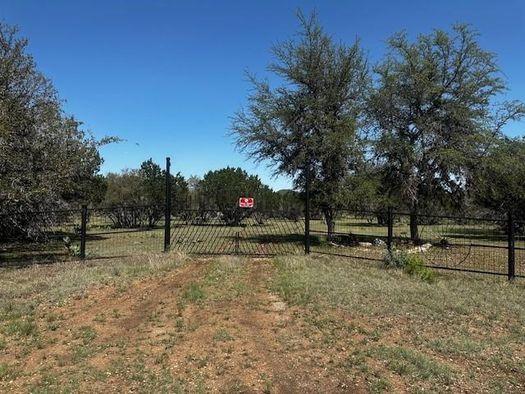
Land Conflict Turns Legal After Ranch Access Dispute Boils Over

What started as an argument over access to hunting land eventually turned into a legal fight that drew national attention—and highlighted just how complicated property rights can become when public access and private ownership collide.
For years, disputes between ranch owners and hunters have quietly simmered across the West and parts of Texas. But few exploded into a legal battle quite like the highly publicized “corner crossing” case involving hunters and a Wyoming ranch owner, a fight that many landowners and hunters are still debating today.
At the center of the dispute was a question that sounds simple on paper:
Can hunters legally access public land if the only way to reach it requires stepping across the corner of private property without actually touching the ground?
Turns out, the answer sparked years of lawsuits.
A Hunting Trip Turns Into a Legal Fight
The conflict began after several hunters attempted to access federal public land surrounded by private ranch property. According to court filings, the hunters used GPS mapping technology to identify parcels of public land they believed were legally accessible.
The problem?
The public land corners touched only at a single point where four parcels met—two private and two public. To avoid physically stepping onto the ranch, the hunters reportedly used a ladder-style setup to move from one parcel of public ground to another without touching the private surface below.
According to reporting from Texas A&M AgriLife and court documents in the case, the ranch owner argued the hunters still trespassed because they occupied private “airspace” above the property during the crossing. The hunters disagreed, insisting they never physically touched private land.
What might have been a disagreement in the field quickly escalated.
The ranch manager contacted authorities, criminal trespass charges were filed, and eventually the fight moved into court. According to Texas A&M AgriLife, the hunters were acquitted in criminal court, but the ranch owner later filed a civil lawsuit seeking millions in damages related to alleged loss of exclusive access and property value.
Why Hunters and Landowners Care So Much
To outsiders, the argument may sound overly technical.
To hunters and ranch owners, it feels personal.
Public land access remains one of the most debated topics in western hunting. Large blocks of public ground often sit “landlocked” behind private ranches, meaning hunters technically own access to the public land but cannot physically reach it without crossing private property.
Landowners, meanwhile, argue that property rights matter for a reason. Many ranchers invest heavily in habitat management, fencing, livestock operations, hunting leases, and liability protections. Unwanted access—even by people claiming legal rights—can quickly create tension.
According to Texas A&M AgriLife legal experts, access disputes involving easements, boundaries, and trespassing remain some of the most common rural legal conflicts landowners face.
And once lawyers get involved, emotions tend to escalate quickly.
Property Rights Run Deep
In places like Texas, few topics stir stronger opinions than private land rights.
For ranch owners, access disputes often feel bigger than a fence or gate. Questions about liability, damaged property, livestock disturbance, and hunting pressure all come into play. Many landowners worry that allowing one person through eventually turns into dozens.
Hunters, however, often see another side.
Some argue wealthy landowners effectively control access to public land by owning key crossing points, limiting opportunities for everyday outdoorsmen. The Wyoming case became especially controversial because many hunters believed it symbolized a broader fight over who gets to access public resources.
That tension is not going away.
The Courts Finally Weighed In
According to Texas A&M AgriLife, the federal appeals court ultimately sided with the hunters, ruling that corner crossing without physically touching private land did not constitute unlawful trespass in that case. Still, legal experts quickly noted the ruling applies specifically to federal court jurisdictions involved in the case and may not automatically settle similar disputes everywhere else.
For landowners and hunters alike, the decision only intensified debate.
Some called it a victory for public access.
Others saw it as an attack on private property rights.
The Bottom Line
Land disputes have always been part of rural life, but when hunting access, property lines, and legal gray areas collide, things can turn serious fast.
According to Texas A&M AgriLife and court records, what started as a disagreement over access to public hunting land eventually became a years-long legal battle with national implications for hunters and ranch owners alike.
The bigger takeaway?
In ranch country, few things turn neighborly disagreements into courtroom fights faster than land.
Especially when somebody believes they have a right to cross it.