
CWD Explained: The Silent Disease That’s Changing Deer Hunting—and Why It Impacts Everyone
If you spend any time around hunting or wildlife news, you’ve probably heard the term CWD—but a lot of people still don’t fully understand what it is or why it matters.
Short for Chronic Wasting Disease, CWD is one of the most serious threats facing deer, elk, and moose populations in North America today.
And while it primarily affects wildlife, the ripple effects reach far beyond the woods.
What Exactly Is CWD?
CWD is a fatal neurological disease that affects members of the deer family, including:
- Whitetail deer
- Mule deer
- Elk
- Moose
It belongs to a group of diseases called prion diseases—the same category as mad cow disease.
Instead of bacteria or viruses, CWD is caused by misfolded proteins (prions) that attack the brain and nervous system. Once an animal is infected, the disease slowly destroys brain tissue over time.
There is no cure. No treatment.
And it is always fatal.
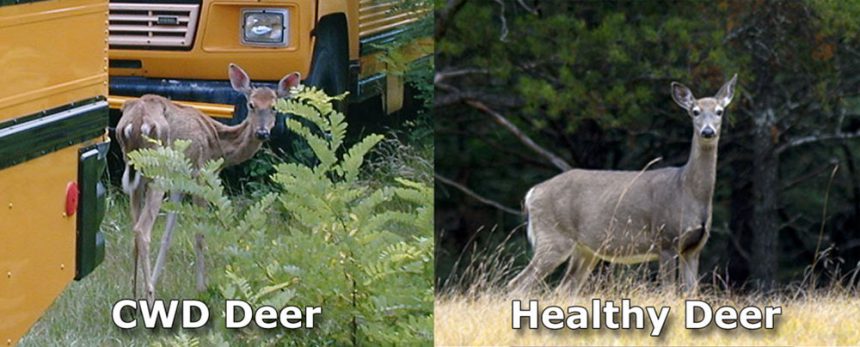
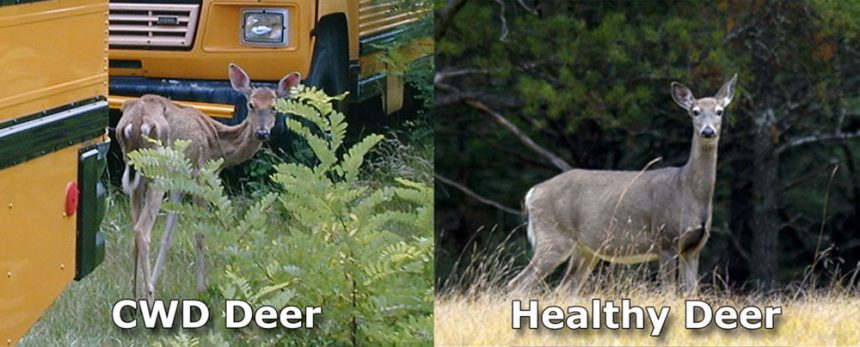
What It Looks Like in the Wild
CWD doesn’t show up overnight.
Infected animals can appear healthy for months—or even years—while still spreading the disease.
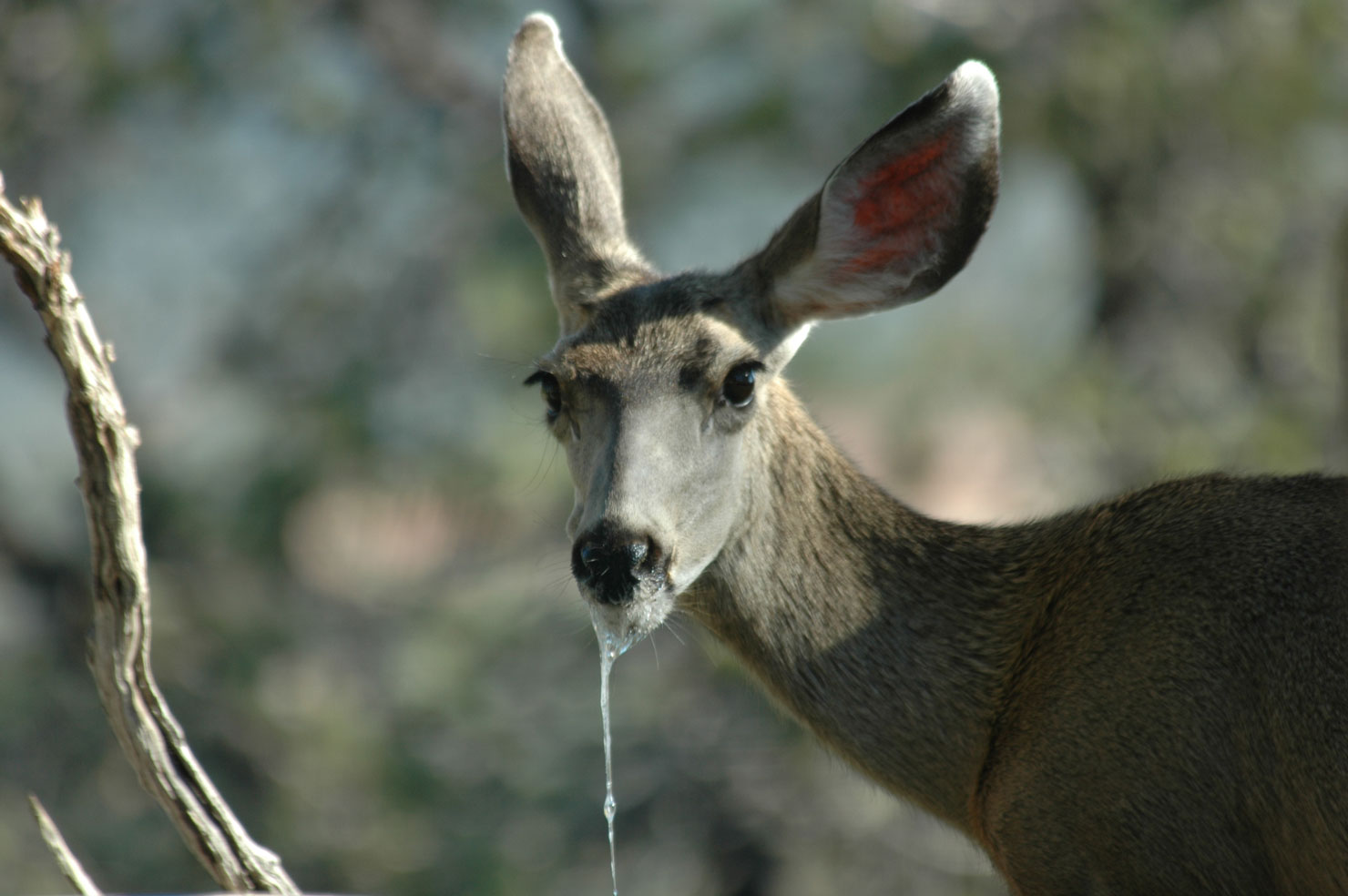
As it progresses, symptoms may include:
- Severe weight loss (hence “wasting”)
- Drooping ears and head
- Excessive salivation or drooling
- Lack of fear toward humans
- Staggering or erratic movement
By the time symptoms are obvious, the animal is already in advanced stages of the disease.
How It Spreads
One of the biggest challenges with CWD is how easily it spreads.
The disease can be transmitted through:
- Direct contact between animals
- Bodily fluids like saliva, urine, and feces
- Contaminated environments
What makes it especially concerning is that prions can persist in soil for years. That means an area can remain infectious long after an infected animal is gone.
Once CWD shows up in a region, it’s extremely difficult to eliminate.
Why Hunters Should Pay Attention
For hunters, CWD isn’t just a wildlife issue—it directly affects the future of the sport.
Wildlife agencies have had to respond with:
- Increased testing requirements
- Restrictions on transporting harvested animals
- Changes to feeding and baiting laws
- Expanded surveillance zones
In some areas, deer populations are already being impacted, with lower survival rates and long-term herd declines.
And for hunters who rely on wild game as a food source, there’s another layer of concern.
Is It Dangerous to Humans?
As of now, there are no confirmed cases of CWD spreading to humans.
However, health agencies strongly recommend caution.
The Centers for Disease Control and Prevention advises:
- Do not consume meat from animals that test positive
- Avoid handling visibly sick animals
- Have harvested deer tested in affected areas
The concern comes from the nature of prion diseases. While transmission to humans hasn’t been documented, similar diseases have crossed species barriers in the past.
Why It Impacts Everyone—Not Just Hunters
Even if you don’t hunt, CWD still matters.
Healthy deer populations play a major role in:
- Ecosystem balance
- Agriculture and land management
- Local economies tied to hunting and wildlife tourism
In many states, hunting contributes millions of dollars annually to conservation funding through license sales and excise taxes.
If deer populations decline, that funding—and the conservation efforts it supports—can take a hit.
Can It Be Stopped?
Right now, there’s no way to fully eradicate CWD once it’s established.
But it can be managed and slowed.
Wildlife agencies rely heavily on:
- Surveillance and testing
- Regulated harvest strategies
- Public cooperation
Hunters play a key role by:
- Testing harvested animals
- Following transport regulations
- Reporting sick or abnormal deer
It’s a collective effort—and it only works if people take it seriously.
The Bottom Line
CWD isn’t something that’s coming—it’s already here in many parts of the country.
It’s silent. It spreads slowly. And once it takes hold, it doesn’t go away.
For hunters, it threatens the future of the resource they depend on.
For everyone else, it impacts ecosystems, conservation funding, and the health of wildlife populations across entire regions.
It’s not just a hunting issue.
It’s a long-term wildlife issue.
And what happens next depends on how seriously it’s taken today.