
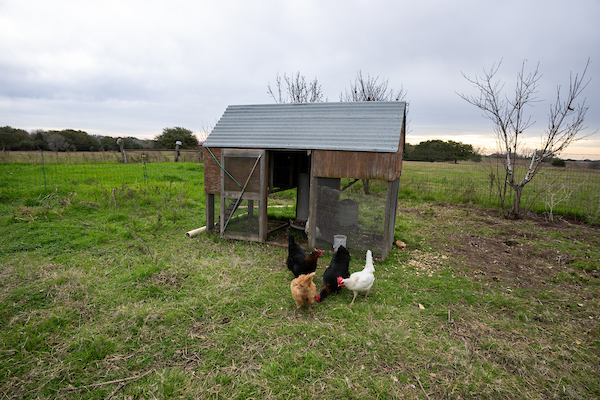
Homesteading Isn’t Just Chickens and a Garden—Here’s What It Really Takes to Get Started
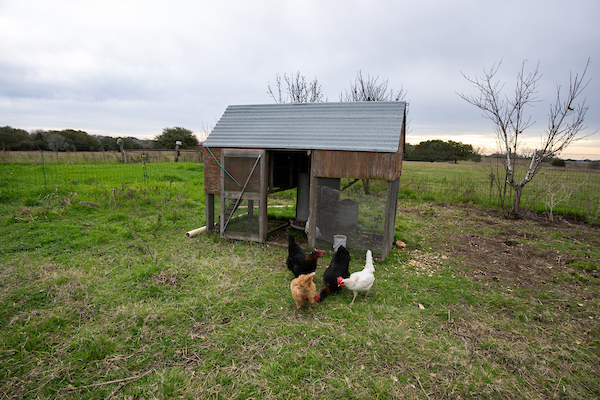
Scroll through social media and homesteading looks simple—fresh eggs in the morning, a garden out back, maybe a few goats, and a quiet life away from the noise.
But the reality?
Homesteading is a whole lot more than a chicken coop and a few tomato plants.
It’s a lifestyle built on self-reliance, planning, and a willingness to learn skills most people have never had to think about. And if you’re serious about getting started, it helps to understand what you’re really stepping into.
It Starts With a Shift in Mindset
Before you buy land or build anything, homesteading starts with how you think.
It’s not about escaping work—it’s about changing the kind of work you do.
You’re trading convenience for control:
- Growing instead of buying
- Fixing instead of replacing
- Planning instead of reacting
That shift is what separates people who stick with it from those who burn out early.
Because this isn’t a hobby you visit on weekends.
It becomes part of your daily life.
Land Matters—But Not How You Think
A lot of people assume they need a massive property to start homesteading.
You don’t.
What matters more is:
- Usable space
- Water access
- Sunlight
- Soil quality
Five acres that are functional will outperform 50 acres that aren’t.
Even small properties can support:
- Chickens or small livestock
- Raised garden beds
- Fruit trees
- Basic food production
It’s less about size—and more about how you use it.
Food Is Just One Piece of the Puzzle
Yes, growing your own food is a big part of homesteading.
But it’s only one piece.
A real homestead focuses on systems:
- Food production (gardens, livestock)
- Water (wells, rain collection, storage)
- Energy (grid, solar, backup options)
- Waste (composting, disposal, sustainability)
When those systems work together, you start building something that can actually support you—not just supplement your grocery bill.
Start Small or You’ll Burn Out
One of the biggest mistakes beginners make is trying to do everything at once.
Garden, chickens, goats, orchard, greenhouse—all in the first year.
That’s a fast track to frustration.
Instead:
- Start with a garden
- Add chickens once you’re comfortable
- Expand slowly as you learn
Each skill builds on the last. And the more you stack too quickly, the harder it is to keep up.
You’re Going to Learn by Failing
There’s no way around this part.
Plants die. Animals get sick. Systems break.
It happens to everyone.
The difference is how you respond to it.
Homesteading isn’t about getting everything right—it’s about figuring things out as you go and getting a little better each season.
Time Is the Real Investment
People often focus on cost—land, fencing, equipment.
But the biggest investment is time.
- Daily chores don’t take days off
- Animals need care regardless of weather
- Gardens don’t wait for your schedule
This lifestyle demands consistency.
And if you’re not ready for that, it can quickly feel overwhelming.
Why People Stick With It
With all that said, people don’t just try homesteading—they commit to it.
Because it offers something most lifestyles don’t:
- Independence
- Connection to the land
- Control over what you eat and how you live
There’s a satisfaction in producing something yourself that you can’t replicate any other way.
It Doesn’t Have to Be All or Nothing
You don’t have to go fully off-grid or quit your job to start.
A lot of people begin with:
- A backyard garden
- A few chickens
- Learning basic skills
And build from there.
Homesteading isn’t a single leap—it’s a progression.
The Bottom Line
Homesteading isn’t just about aesthetics or slowing down.
It’s about building a life that depends more on what you can do—and less on what you can buy.
And while it may start with a chicken coop and a garden…
That’s just the beginning.