
Davy Crockett: The Legend America Built vs. The Man Who Really Lived It
Most people know Davy Crockett as the larger-than-life frontiersman—the man who “killed a bear when he was three,” wore a coonskin cap, and died in a heroic last stand at the Battle of the Alamo.
It’s a story that’s been told for generations. Books, movies, and campfire tales have all painted Crockett as the ultimate wilderness legend.
But like many figures from the American frontier, the truth is far more complex—and arguably more interesting.
The Making of a Legend
Crockett didn’t start out as a myth. He was born in 1786 in what is now Tennessee and grew up in a world that demanded self-reliance. Hunting wasn’t a hobby—it was survival. He became a skilled woodsman, tracker, and marksman out of necessity, not legend.
But the transformation from man to myth began during his political career.
Crockett served in the Tennessee militia and later became a U.S. Congressman. During that time, a biography was published that dramatically exaggerated his life story. It included stories like the famous bear-hunting tale—claims that were never meant to be taken literally but instead served to build his image as a rugged frontiersman.
In reality, Crockett leaned into it.
He understood something most people at the time didn’t: a good story could carry you further than the truth alone. He used humor, storytelling, and exaggeration to connect with voters, effectively becoming one of America’s first “larger-than-life” public figures.
The Coonskin Cap Myth
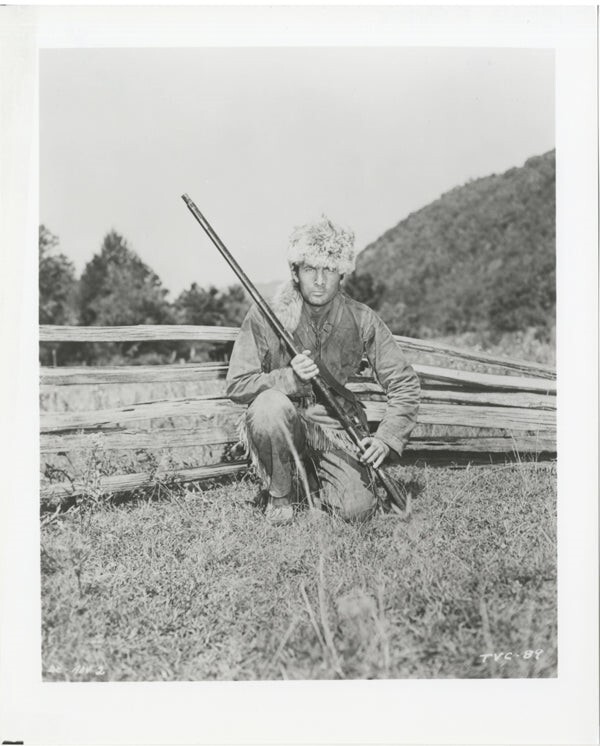
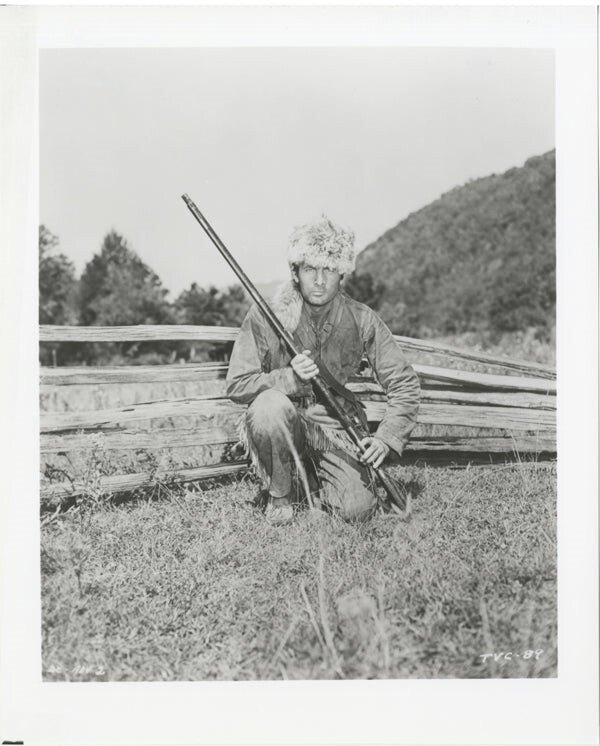
One of the most iconic images of Crockett is the coonskin cap. It’s practically inseparable from his identity.
The problem? There’s little evidence he actually wore one regularly.
That image was popularized much later through stage plays and Disney productions in the 1950s. The real Crockett likely dressed like most frontiersmen of his time—practical, simple clothing suited for hard travel and rough conditions.
It’s a perfect example of how pop culture can overwrite history, turning a small detail into a defining symbol.
Hunter, Soldier, and Politician
While the myths stretch the truth, Crockett was no fraud. He was genuinely skilled in the outdoors and spent much of his life hunting and exploring the frontier.
But he was also deeply involved in politics—something often overlooked in favor of the wilderness narrative.
Crockett served three terms in Congress and was known for his opposition to President Andrew Jackson’s Indian Removal policies. That stance ultimately cost him political support and contributed to his defeat in reelection.
After losing his seat, he famously said, “You may all go to hell, and I will go to Texas.”
And that’s exactly what he did.
What Really Happened at the Alamo?
Crockett’s death at the Battle of the Alamo in 1836 is where myth and reality blur the most.
The popular version is clear: Crockett fought bravely until the very end, dying in a dramatic last stand alongside fellow defenders.
But historical accounts are divided.
Some reports—including those attributed to Mexican officer José Enrique de la Peña—suggest Crockett may have been captured after the battle and later executed. Other accounts maintain he died fighting.
There’s no definitive answer.
And that uncertainty has only fueled the legend.
Why the Myth Took Over
So why did Crockett’s story become so exaggerated?
Part of it comes down to timing. America in the 1800s was expanding westward, and people were hungry for heroes who embodied the frontier spirit—tough, independent, and fearless.
Crockett fit that role perfectly.
His real-life storytelling, combined with early media, stage productions, and later film portrayals, turned him into something bigger than a man. He became a symbol of the American outdoors—a representation of what people wanted the frontier to be.
The Real Legacy
The truth is, Davy Crockett doesn’t need the myths.
He was a skilled hunter, a respected soldier, and a politician willing to stand against popular opinion. He lived a hard life on the edge of the American frontier and played a role in one of the most famous battles in U.S. history.
But more than anything, he understood the power of a story.
In many ways, Crockett didn’t just become a legend—he helped create it.
The Bottom Line
Davy Crockett wasn’t the superhuman figure history often portrays. He didn’t kill a bear at age three, and he probably didn’t wear a coonskin cap as often as we’ve been led to believe.
But he also wasn’t just another frontiersman.
He was something in between—a man who lived the life, told the story, and watched it grow into something far bigger than himself.
And that might be the most fascinating part of all.