
Fishing for Bass After Cold Fronts
Why Cold Fronts Change Bass Behavior
For bass anglers, few things are more frustrating than watching a strong bite disappear after a passing cold front. One day the fish are aggressive and feeding heavily, and the next day they seem to vanish.
Cold fronts can dramatically affect bass behavior by altering water temperature, barometric pressure, and light conditions.
According to fisheries research conducted by Texas Parks and Wildlife Department biologists, largemouth bass are highly sensitive to sudden environmental changes. These shifts can push fish deeper or cause them to become less aggressive feeders.
Understanding how bass react to cold fronts can help anglers adjust their strategy and still find success on the water.
Bass Often Move Deeper
One of the most common responses to a cold front is a shift in bass positioning.
After a front passes, cooler air temperatures and rising barometric pressure often push bass toward deeper water or tighter cover.
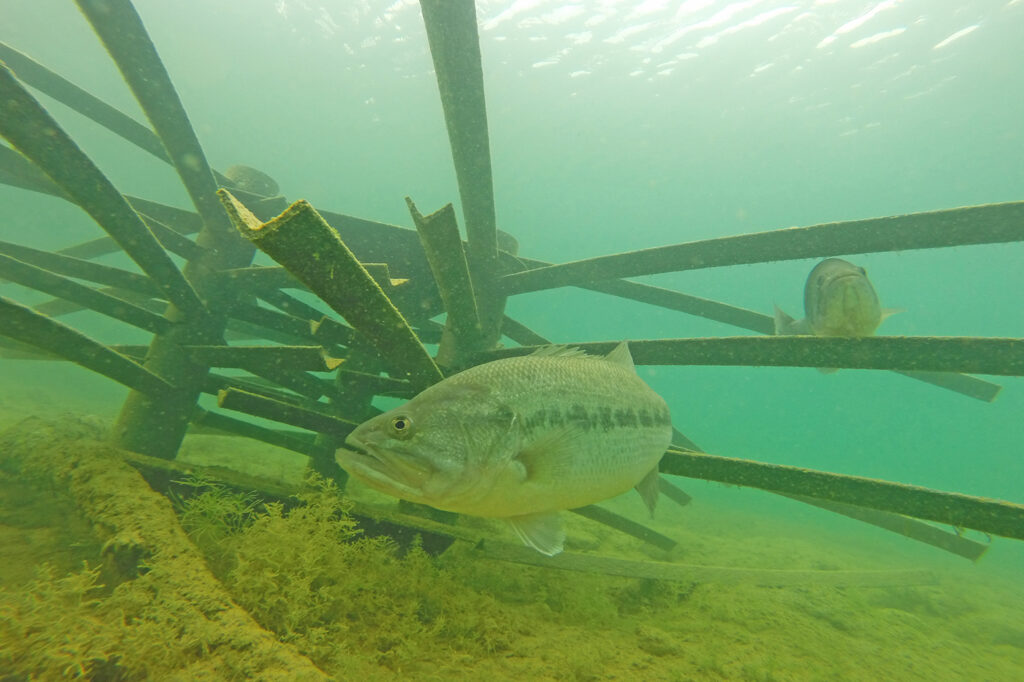
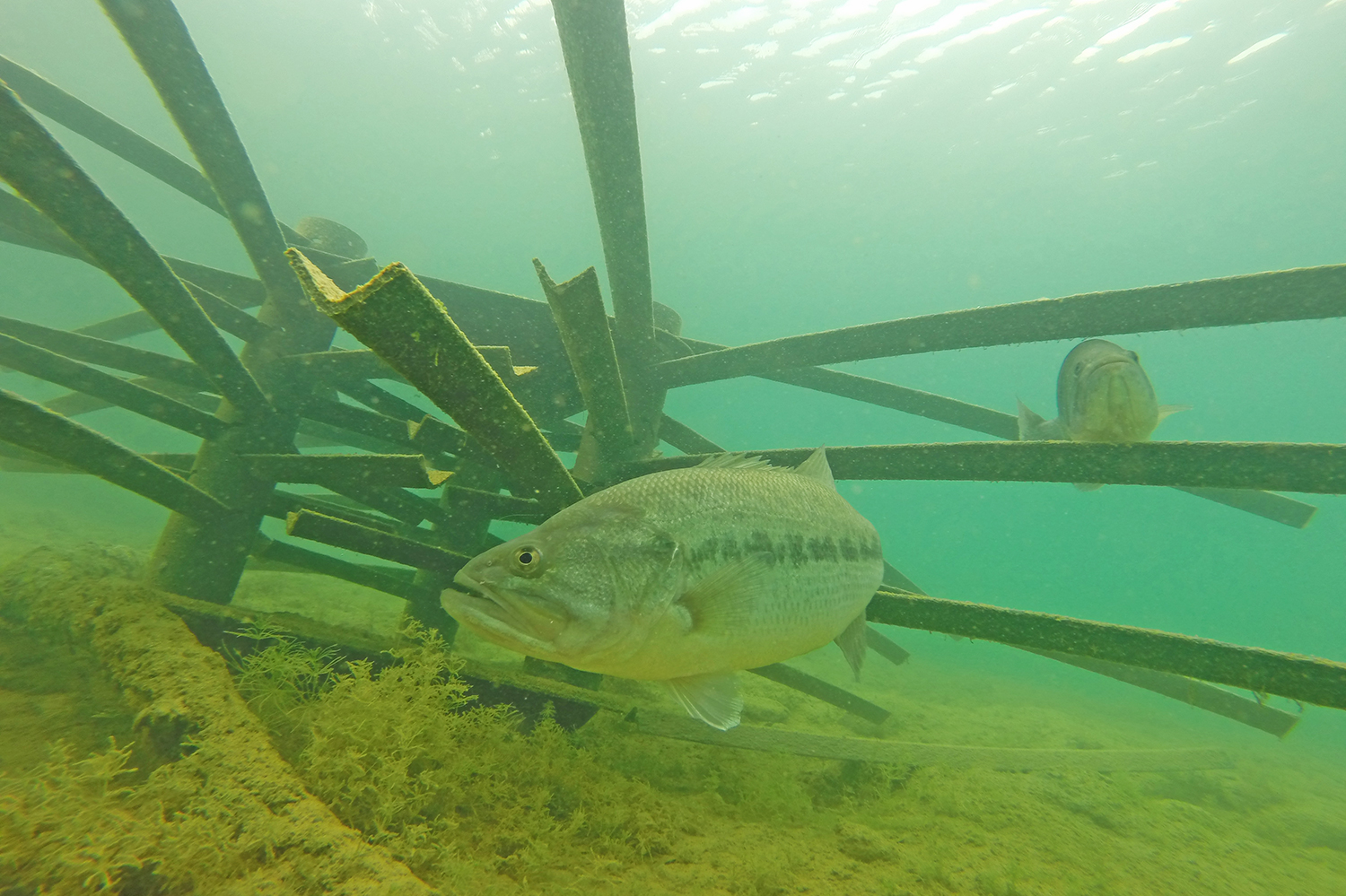
According to fishing analysis published by Bassmaster, bass frequently hold closer to structure such as submerged timber, rock piles, and drop-offs following cold fronts.
Instead of roaming and feeding aggressively in shallow water, the fish may become more stationary.
Anglers who target deeper structure often find better success during these conditions.
Slower Presentations Work Best
Another important adjustment involves lure presentation.
Because bass often become less aggressive after a cold front, slower techniques usually produce better results.
According to testing and tournament analysis published by Field & Stream, finesse-style presentations such as soft plastic worms, jigs, and shaky-head rigs often outperform faster moving baits when fish are inactive.
These lures allow anglers to work an area slowly and keep the bait in the strike zone longer.
Patience becomes critical when bass are reluctant to bite.
Target Areas With Cover
Bass often seek security when conditions change.
Heavy cover such as docks, brush piles, vegetation, and fallen timber can become prime locations after a cold front.
Research from the Florida Fish and Wildlife Conservation Commission shows that largemouth bass frequently use structure as shelter when environmental conditions shift.
By focusing on these areas and making precise casts, anglers can still trigger strikes from fish that are otherwise inactive.
Timing Still Matters
Even after a cold front, certain periods of the day can still produce feeding activity.
Early morning and late afternoon often provide brief windows when bass become more willing to chase bait.
According to the National Professional Anglers Association, subtle weather stabilization following a cold front can trigger short feeding periods.
Anglers who remain patient and adjust their tactics often discover that bass are still catchable—even under difficult conditions.
Adapting Is the Key to Success
Cold fronts are an unavoidable part of fishing, especially during spring and fall seasons.
While they can temporarily slow down bass activity, understanding how fish react allows anglers to adapt their strategies.
By fishing deeper water, slowing down presentations, and targeting structure, anglers can still catch bass even after a major weather change.
For experienced fishermen, learning to adjust to cold-front conditions is often what separates frustrating days from productive ones on the water.