
Game Wardens Bust Massive Trophy Deer Poaching Ring in Wisconsin
A Major Poaching Case Uncovered
Wildlife officials in Wisconsin uncovered one of the largest trophy deer poaching cases in the state’s history after a lengthy investigation revealed a network of hunters illegally killing whitetail bucks and selling the antlers.
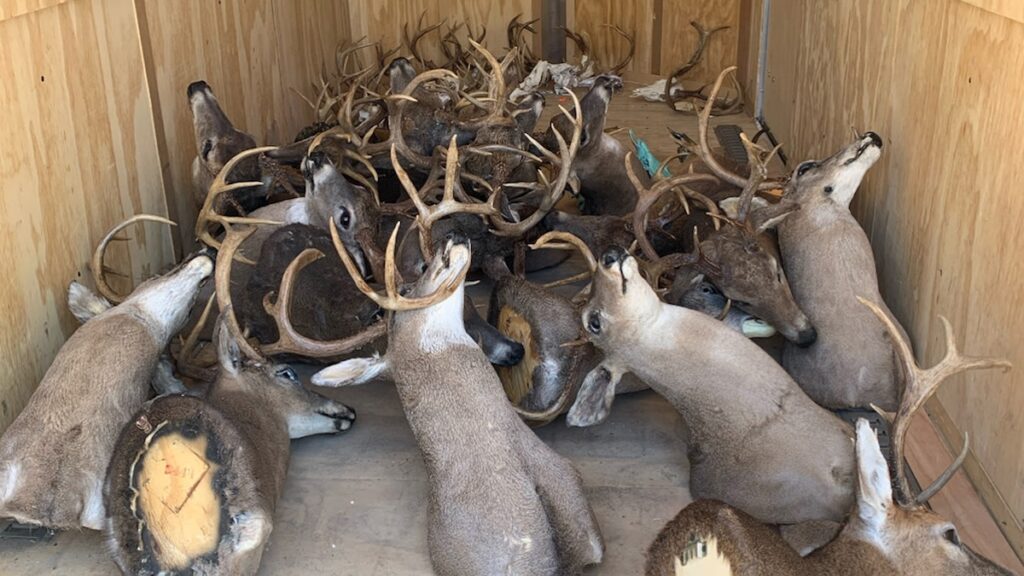
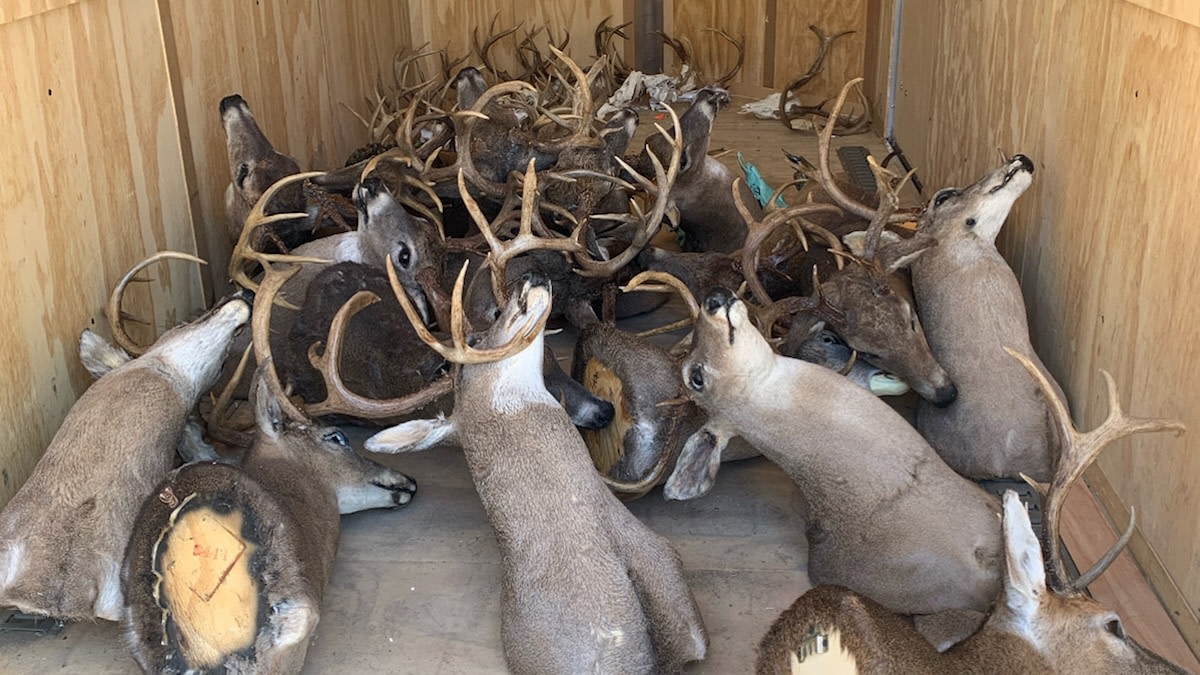
The case, often referred to by investigators as the “Valhalla Poaching Case,” involved dozens of illegally harvested trophy whitetails and resulted in significant fines, revoked hunting privileges, and criminal charges. Authorities say the operation targeted large antlered deer specifically for their trophy value.
According to the Wisconsin Department of Natural Resources, the investigation ultimately documented more than 100 illegally killed deer, many of them mature bucks that would have ranked among the state’s most impressive trophies.
Wildlife officers say the case demonstrates how seriously conservation agencies take wildlife crimes that threaten sustainable hunting.
How the Investigation Began
The investigation began after conservation wardens received tips from local hunters about suspicious activity involving unusually large deer racks being circulated in the area.
Many wildlife crime investigations start with information provided by ethical hunters who notice something that doesn’t seem right in their communities.
According to officials with the Wisconsin Department of Natural Resources, investigators began monitoring individuals suspected of illegally harvesting deer outside of established hunting seasons and without proper tagging.
Wardens conducted interviews, examined hunting records, and gathered physical evidence related to deer mounts and antlers.
As the investigation expanded, officers realized the scope of the illegal activity was far larger than originally suspected.
A Pattern of Illegal Trophy Harvests
Authorities eventually determined that members of the group had illegally harvested dozens of deer over multiple years.
According to court records cited by the Wisconsin Department of Natural Resources, many of the deer were taken at night using spotlights, a practice known as “jacklighting,” which is illegal in most states.
Poachers often use spotlights to freeze deer in place, making them easier targets. Wildlife agencies consider the practice one of the most serious hunting violations because it eliminates the fair-chase aspect of hunting.
Investigators also found evidence that some deer were taken out of season and without the required harvest tags.
Because Wisconsin carefully regulates harvest numbers to maintain healthy deer populations, those violations represented significant threats to local wildlife management efforts.
The Scale of the Operation
As the case unfolded, officers documented an astonishing number of illegally harvested animals.
According to reports from the Wisconsin Department of Natural Resources, the investigation ultimately involved over 100 deer killed illegally, including numerous mature trophy bucks.
The suspects were ordered to pay tens of thousands of dollars in restitution and fines. Several individuals also received lengthy suspensions of their hunting privileges.
Some of the confiscated racks were among the largest deer ever taken in the region, which made the case particularly disturbing for wildlife officials and ethical hunters alike.
Why Trophy Poaching Is So Damaging
Illegal trophy hunting can have significant impacts on deer management.
According to the National Deer Association, mature bucks typically represent a small percentage of a deer herd. Wildlife agencies rely on carefully structured hunting seasons and harvest limits to maintain balanced populations.
When poachers remove large numbers of mature animals outside those regulations, it disrupts the biological management strategies used by wildlife biologists.
Poaching also damages the public trust system that governs wildlife in the United States.
The North American Model of Wildlife Conservation holds that wildlife is a public resource managed for all citizens, not a commodity to be exploited illegally.
The Role of Conservation Wardens
Cases like the Wisconsin investigation highlight the importance of conservation officers and game wardens.
Unlike many law enforcement agencies, wildlife officers often patrol vast rural areas with limited staff. Their responsibilities include enforcing hunting regulations, protecting wildlife habitats, and investigating environmental crimes.
According to the U.S. Fish and Wildlife Service, wildlife crime enforcement is a critical component of protecting natural resources across the country.
These investigations can take months—or even years—to complete as officers gather evidence and build cases strong enough to hold up in court.
Ethical Hunters Help Protect Wildlife
Wildlife officials often emphasize that ethical hunters play a crucial role in preventing poaching.
Most hunters strongly support conservation laws because responsible hunting depends on healthy wildlife populations and fair-chase principles.
Tips from hunters and landowners frequently help wardens uncover illegal activity that might otherwise go unnoticed.
In the Wisconsin case, information provided by members of the hunting community helped investigators piece together the illegal operation.
Protecting the Future of Hunting
Poaching cases involving trophy deer draw significant attention because they strike at the heart of modern wildlife conservation.
Responsible hunting is built on science-based regulations designed to ensure sustainable wildlife populations for future generations.
When individuals attempt to exploit wildlife illegally, they undermine those efforts and threaten the reputation of the broader hunting community.
For conservation officers and ethical hunters alike, stopping illegal trophy operations remains essential to protecting America’s wildlife heritage.
Such serious charges, but no names or even counties identified????